

Attic Insulation Uncovered: Your Blueprint for a Cozy Home
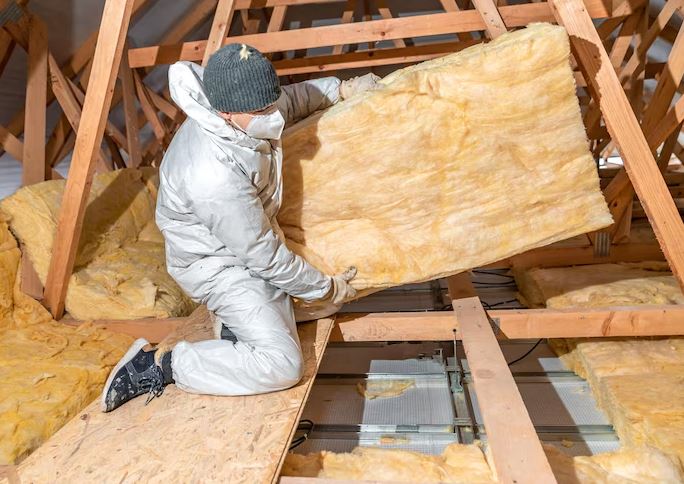
Attic Insulation Uncovered: Your Blueprint for a Cozy Home
Just as insulating your garage ceiling can unlock significant energy savings and comfort, paying attention to your home's attic is paramount for overall energy efficiency and indoor climate control. The attic, often an overlooked space, acts as a crucial barrier between your living areas and the outdoor elements.
Understanding its "anatomy" and choosing the right insulation is key to maintaining a comfortable, energy-efficient, and healthy home.
Why Your Attic Needs the Right Insulation
Your attic is a primary point of heat transfer. In summer, heat from the sun beats down on your roof, radiating into your attic and then down into your living spaces, forcing your air conditioning to work harder. In winter, warm air from your home rises and escapes through an uninsulated or poorly insulated attic, leading to higher heating bills. Proper attic insulation provides a vital thermal barrier, offering numerous benefits:- Significant Energy Savings: By reducing heat transfer, attic insulation lessens the workload on your HVAC system, directly translating to lower heating and cooling costs.
- Enhanced Indoor Comfort: It helps maintain consistent temperatures throughout your home, eliminating hot spots in summer and cold drafts in winter.
- Improved HVAC Performance and Longevity: When your HVAC system doesn't overcompensate for heat loss or gain, it operates more efficiently and lasts longer.
- Moisture Control: Proper insulation, often coupled with adequate ventilation, helps prevent condensation buildup in the attic, which can lead to mold, mildew, and structural damage.
- Noise Reduction: Insulation also provides a barrier against external noises, contributing to a quieter indoor environment.
- Increased Home Value: An energy-efficient home with proper insulation is a more attractive asset, adding to its market value.
Understanding Your Attic Space
Before selecting insulation, consider your attic's layout and how it's used:- Unfinished/Unconditioned Attic: This is the most common type, where the attic is not part of the conditioned living space. Insulation is typically installed on the attic floor, directly above the ceilings of the rooms below.
- Finished/Conditioned Attic: If your attic has been converted into a living space (e.g., a bedroom, office), insulation should be installed between the rafters in the sloped ceilings and in any knee walls.
Choosing the Right Insulation for Your Attic
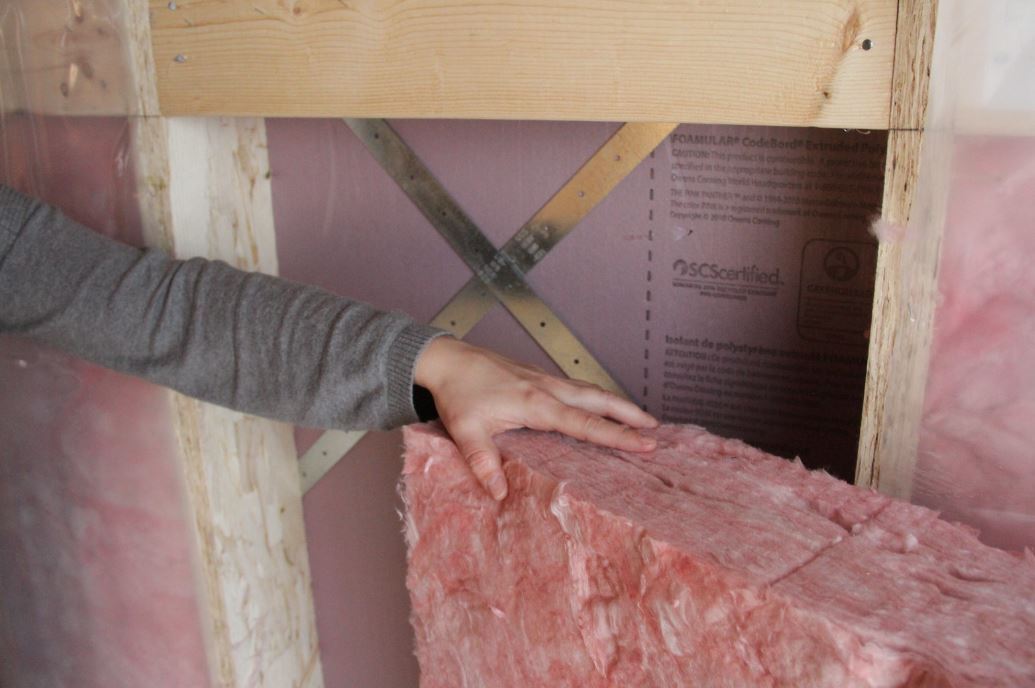
The best insulation for your attic depends on various factors, including your climate, budget, and the specific characteristics of your attic. Here are common types suitable for attic spaces: Fiberglass Batt Insulation: Fiberglass batt insulation is made from spun glass fibers and is available in pre-cut rolls or batts designed to fit between joists.- Pros: Cost-effective, relatively easy for DIY installation (with proper safety gear), good thermal performance, fire-resistant.
- Cons: Installing it can be itchy, careful cutting is required to ensure a proper fit, and any gaps may reduce its effectiveness.
- Best for: Unfinished attics with standard joist spacing, new construction, or adding a second layer over existing insulation.
- Pros: Excellent for filling irregular spaces and around obstructions (like wiring and pipes) and achieving high R-values; good for topping up existing insulation. Cellulose is often made from recycled paper, making it an eco-friendly choice.
- Cons: Requires specialized equipment for installation (though machines can often be rented), can settle over time (especially cellulose), and is potentially dusty during installation.
- This insulation type is best suited for attics that have many obstructions, for topping off existing insulation, or for achieving a dense and seamless thermal blanket.
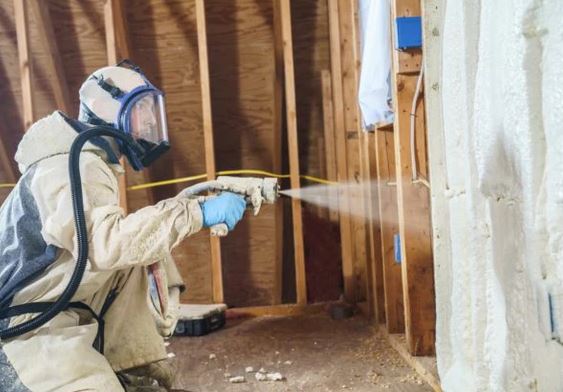
- The advantages include superior thermal performance (high R-value per inch), excellent air-sealing capabilities, structural rigidity, and prevention of moisture infiltration. Closed-cell is denser and offers higher R-value and moisture resistance.
- Cons: It is more expensive, requires professional installation, and once installed, the insulation is difficult to remove or modify.
- Best for: Attics where airtightness is a top priority, complex attic structures, or when converting an unfinished attic into a conditioned space (applied to the underside of the roof deck).
- Pros: High R-value per inch, excellent moisture resistance, useful for creating a continuous insulation layer without thermal bridging.
- Cons: These panels are more expensive than batts, can be challenging to cut and seal perfectly around obstructions, and are generally not used for insulating entire attic floors.
- Best for: Sealing attic hatch doors, creating rigid air barriers, or insulating knee walls in conditioned attic spaces.
Beyond Insulation, Attic Ventilation Is Key
Just as comprehensive garage insulation involves walls and doors, effective attic thermal performance relies on proper ventilation. Insulation and ventilation work hand-in-hand: insulation slows heat transfer, while ventilation allows for adequate airflow to remove heat and moisture from the attic space. Ensure your attic has proper soffit and ridge vents to prevent moisture buildup and maintain insulation effectiveness. Investing in the right attic insulation is a smart move for any homeowner. It's a foundational step towards a more comfortable, energy-efficient, and valuable home, complementing other insulation efforts like those in your garage to create a holistic energy-saving envelope. Ready to transform your attic into an energy-saving powerhouse? Start by assessing your current insulation and identifying any gaps or areas for improvement. For a thorough evaluation and personalized recommendations, consult a qualified insulation professional. They'll ensure the job is done right, maximizing your comfort and energy savings for years to come. Don't wait; a well-insulated attic is a smart investment that pays dividends in comfort, efficiency, and value. Ready to get started? Contact Arlington Coal & Lumber Company today! We're here to help you find the ideal building materials to enhance your home's insulation, comfort, and value.