

Railing Safety Standards: What Every Homeowner Needs to Know

Railing Safety Standards: What Every Homeowner Needs to Know
Installing or upgrading a railing system is one of the most important safety decisions a homeowner can make. Whether it's for a staircase, deck, balcony, or porch, your railing must comply with local building codes and safety regulations. These standards aren’t optional—they’re in place to prevent accidents, improve structural integrity, and ensure your home remains a safe environment for all occupants.
Understanding the core safety requirements surrounding residential railings is essential if you're planning a renovation or new build. This article outlines everything you need to know about railing building codes, height regulations, and baluster spacing in a clear, consumer-friendly way.
Understanding Building Codes for Residential Railings
Residential railing codes are primarily governed by the International Residential Code (IRC), although exact requirements may vary depending on your city or municipality. It's important to confirm local regulations before beginning any installation, as non-compliance could result in fines, delays, or even mandatory reconstruction.
Railing codes serve several purposes. They ensure that the railing system can support expected weight loads and forces, protect residents and guests from falling, and help homeowners maintain compliance for insurance or resale purposes. For example, the IRC requires most guardrails to be installed when a walking surface—such as a deck or balcony—is at least 30 inches or more above the adjacent grade. Furthermore, the railing must be able to resist a concentrated load of 200 pounds applied in any direction, ensuring that the system remains secure under pressure or impact.
Railing Height Requirements: What You Need to Know
Correct railing height is one of the most fundamental safety standards. Too short, and it may not prevent falls. Too tall, and it could obstruct views or create an uncomfortable design.
For residential decks and balconies, the minimum required railing height is typically 36 inches, measured from the surface of the walking platform to the top of the guardrail. Staircases follow slightly different standards. In most residential settings, handrails along stairs must fall between 34 and 38 inches in height. These dimensions provide both ergonomic support and reliable fall protection.
In some cases, especially in multi-family or commercial properties, local codes may require a higher minimum—often 42 inches. It’s always best to verify with your local building authority if your project might fall under these stricter regulations. When measuring railing height, be sure to use accurate tools such as a level and tape measure, and take multiple measurements to ensure consistency across the entire railing.
Baluster Spacing and Child Safety Compliance
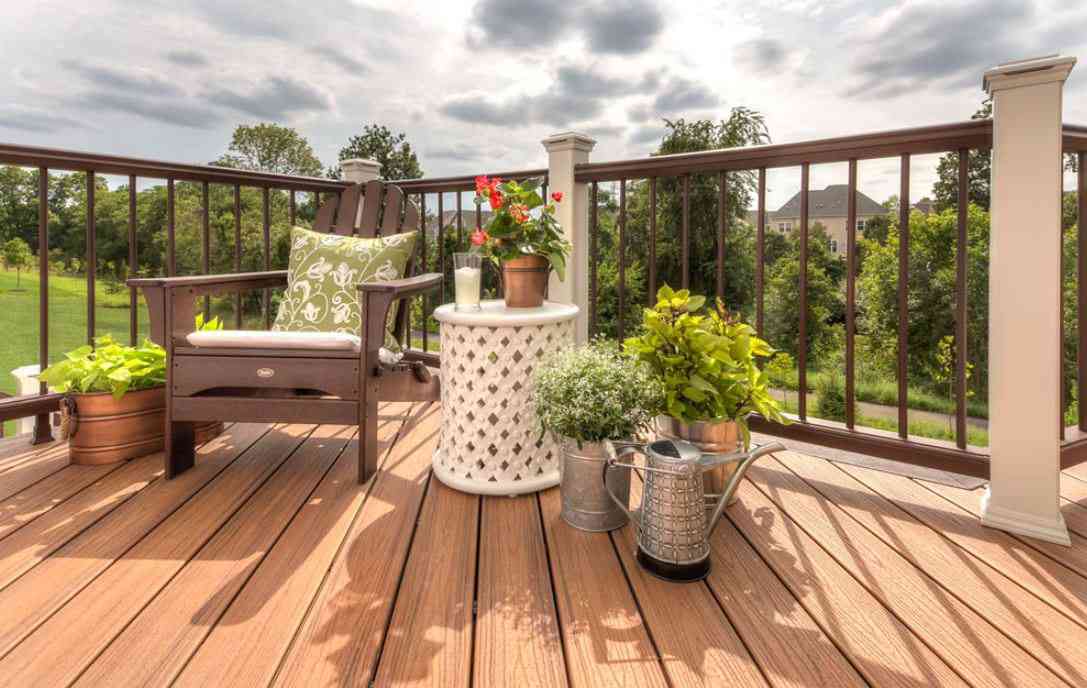
While railing height often receives the most attention, the spacing between balusters (also called pickets or spindles) is equally critical—particularly in homes with children or pets. Improper spacing can pose serious safety hazards by allowing small children to slip through or become stuck.
According to most building codes, the maximum allowable gap between balusters is less than four inches. This standard is based on the size of an average child’s head, and it ensures that a child cannot pass through or become trapped between the vertical posts. A useful test is to imagine a four-inch sphere attempting to pass between the balusters. If it fits through, the spacing does not meet safety standards and must be corrected.
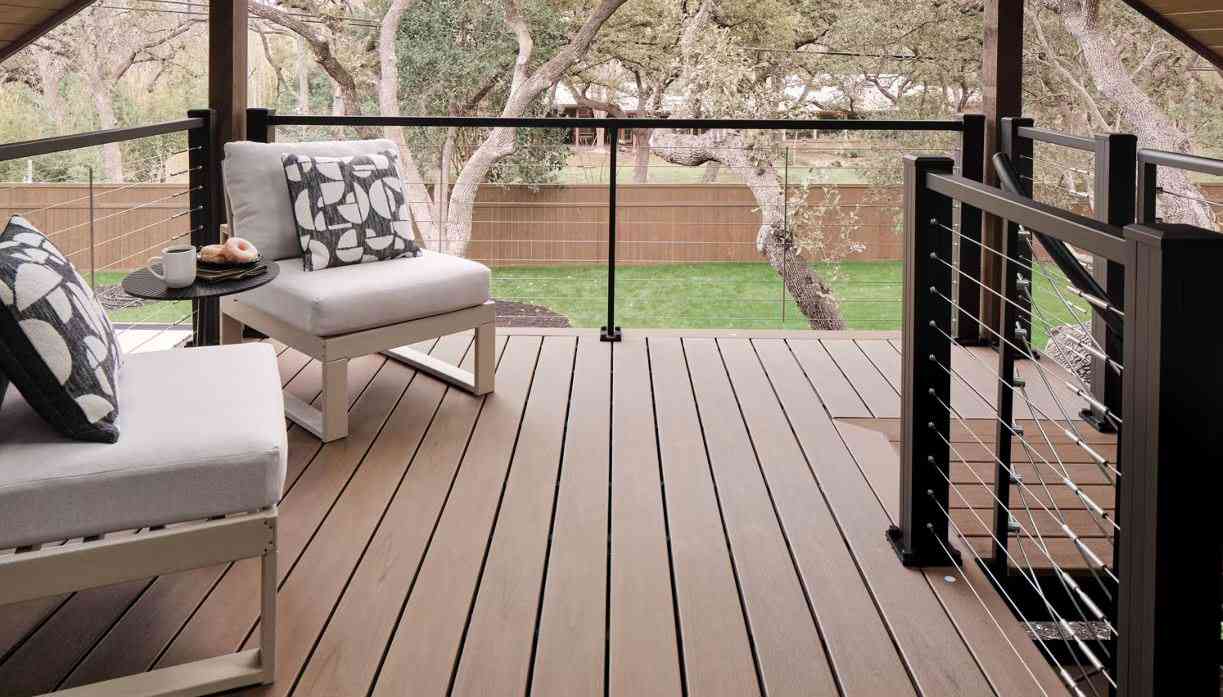
Even spacing not only boosts safety but also contributes to the visual appeal of your railing system. Irregular gaps can look unprofessional and may give the impression that the structure was poorly installed.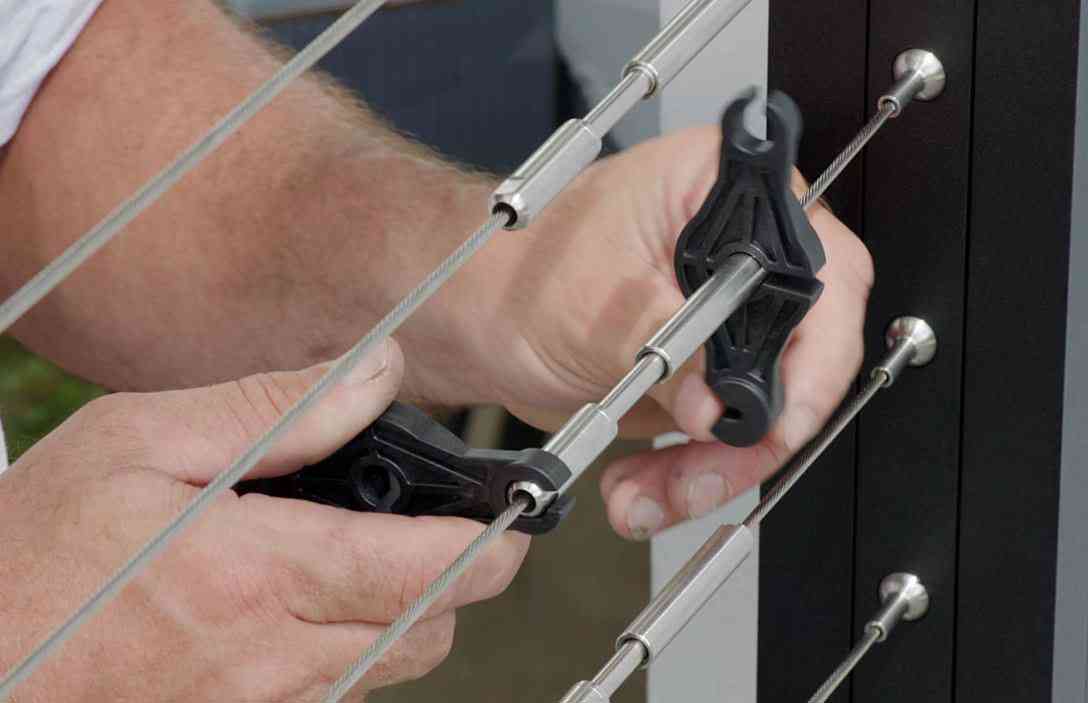

Additional Considerations for Railing Safety
Beyond height and spacing, there are several other elements that contribute to a safe and code-compliant railing system. Handrails should be graspable for secure use, which means their diameter should typically fall between 1.25 and 2 inches. This ensures they can be comfortably and securely held by users of all ages.
Material selection also plays a role in long-term safety. Durable, weather-resistant materials such as aluminum, stainless steel, or pressure-treated wood can reduce the likelihood of deterioration, which might compromise the railing’s structural integrity over time. Finally, lighting is an often-overlooked component of railing safety. Proper illumination—especially on staircases and outdoor decks—can prevent tripping and enhance nighttime visibility, further reducing the risk of accidents.
Installing a railing system is more than just a design choice—it’s a commitment to safety, functionality, and legal compliance. By understanding and adhering to essential safety standards, homeowners can feel confident that their railing systems will provide reliable protection for years to come.
Before starting your project, always consult your local building department or work with a licensed contractor to confirm the latest applicable codes. With the right knowledge and preparation, you can create a railing system that enhances your home’s beauty while keeping everyone safe.
Ready to Transform Your Outdoor Space?
Elevate your home's safety and style with Trex Railing from Arlington Coal and Lumber Co. We offer a premier selection of Trex railing products designed to perfectly complement any construction or renovation project. Whether you're upgrading an existing deck or planning a full outdoor remodel, we have the durable, beautiful options you need.
Our team of experienced professionals proudly serves Arlington, Wilmington, Burlington, Sudbury, and Chelmsford, Massachusetts. We're committed to providing personalized advice and expert guidance, ensuring you choose the ideal railing materials to bring your vision to life and enhance your home's value.
Take the Next Step
Don't wait to create the outdoor space you've always dreamed of. Visit our showrooms for an immersive experience, or shop our full selection of Trex railing products online from the comfort of your home. Ready to get started? Contact us today for a free consultation! Let Arlington Coal and Lumber help you build a safer, more beautiful outdoor living area.