

The Art of Light: How Window Placement and Design Impact Room Ambiance
The Art of Light: How Window Placement and Design Impact Room Ambiance
Natural light is a vital element in any home's design, and the strategic placement and design of windows can completely transform a space. Beyond simply providing illumination, windows can influence a room's mood, its connection to the outdoors, and even its energy efficiency. When designing or renovating a home, considering the "art of light" can create a more beautiful, comfortable, and sustainable living environment.
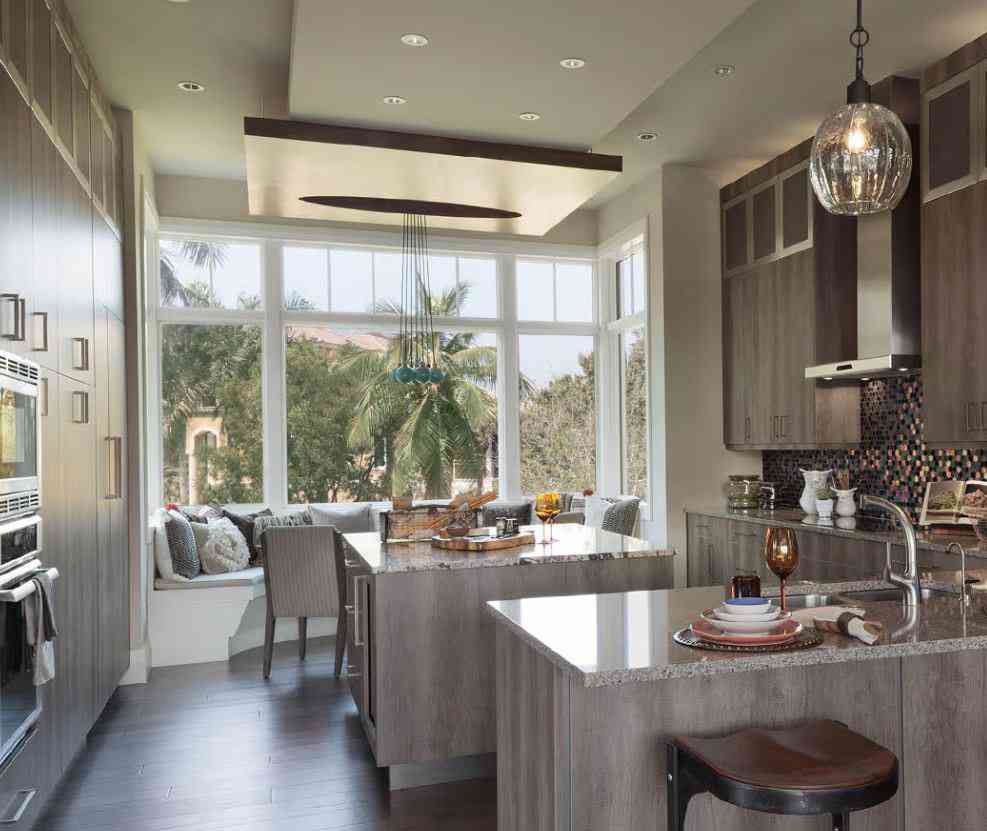
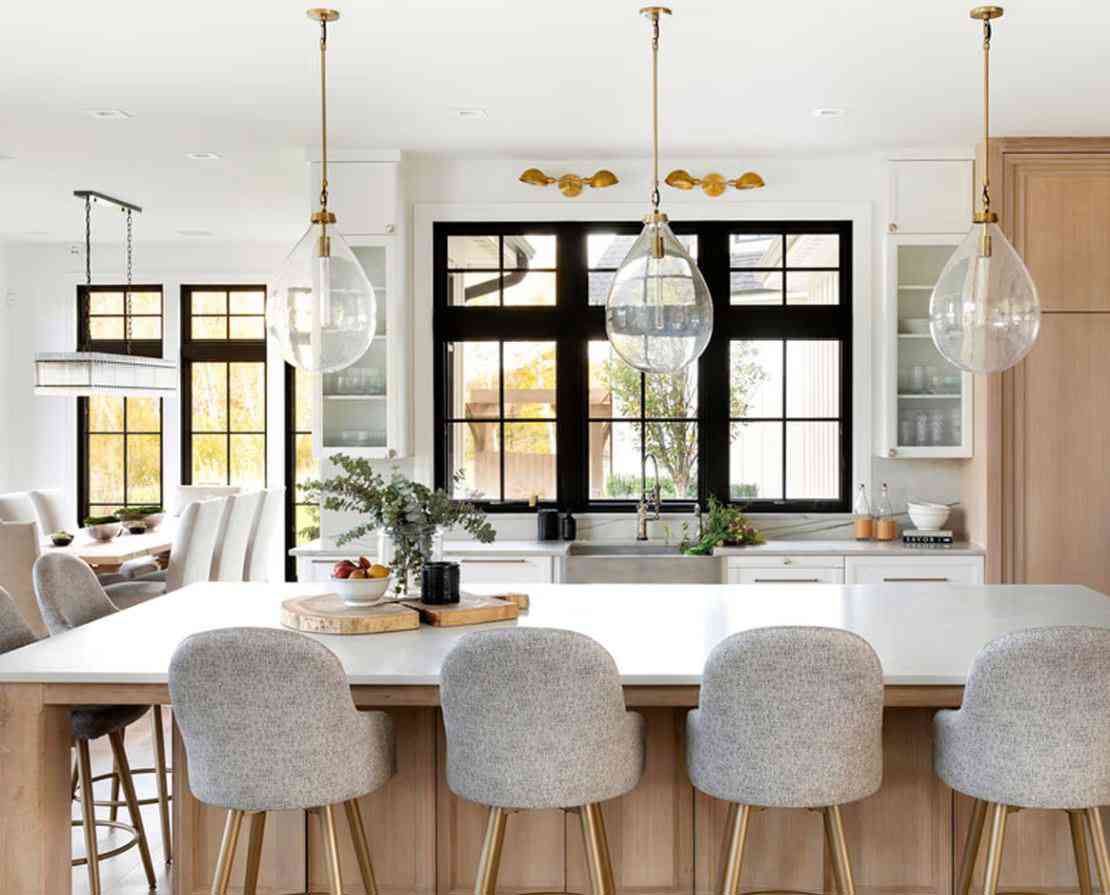
Beyond the Kitchen: The Broad Impact of Window Design
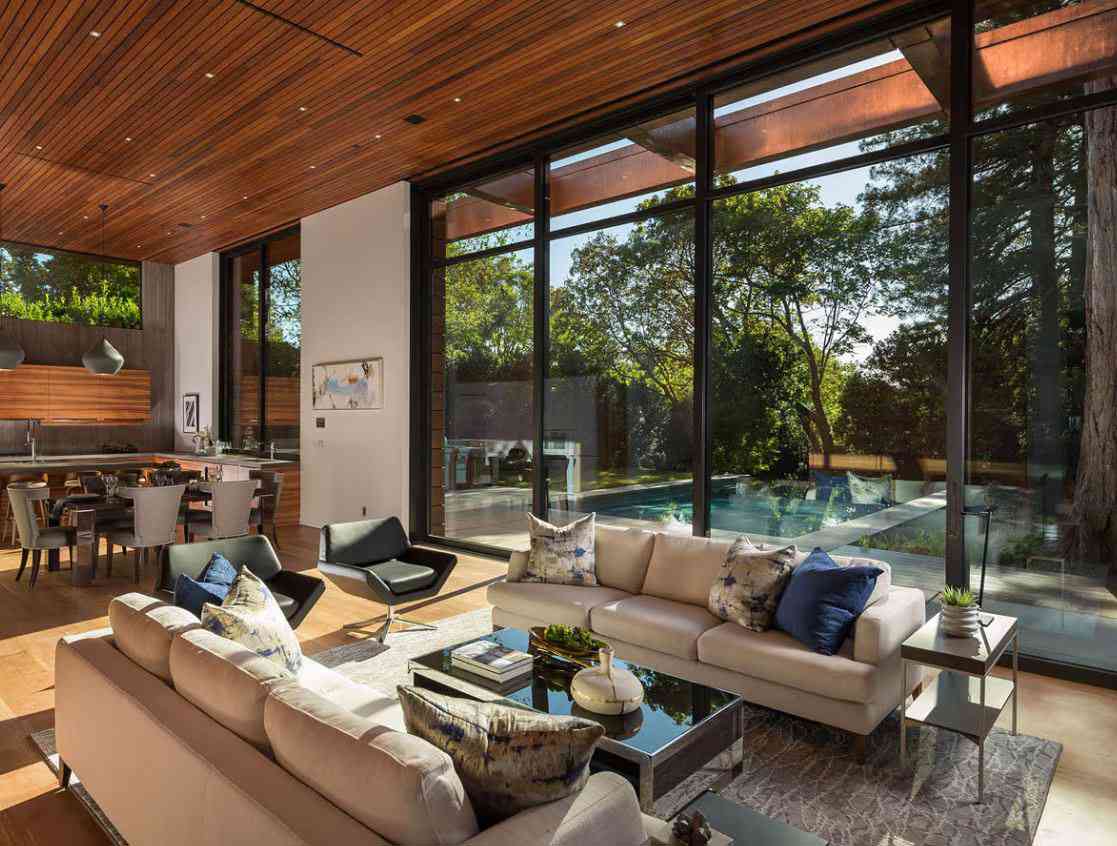
While kitchens often benefit from an abundance of natural light to create a bright and inviting space for cooking and gathering, the principles of strategic window placement apply to every room in the house.- Living Rooms and Social Spaces: Large windows, such as picture windows or floor-to-ceiling panes, are ideal for living and dining rooms. They not only flood the space with light but also frame views of the outdoors, creating a seamless connection between the interior and exterior. The orientation of these windows is key; a south-facing living room, for example, will receive consistent, year-round light, making it feel warm and welcoming.
- Bedrooms and Private Retreats: Bedrooms require a balance of natural light and privacy. East-facing windows are perfect for bedrooms, as they welcome the soft, energizing morning sun, which can help regulate your sleep cycle. For privacy, consider using a combination of window styles, such as a large picture window paired with smaller, higher-set awning windows that can be opened for ventilation without compromising seclusion.
- Bathrooms and Utility Areas: In bathrooms, privacy is paramount, but natural light is still desirable. High-set or clerestory windows, placed near the ceiling, can bring in light while keeping the room out of view. Frosted, textured, or stained glass are also excellent options for allowing light to filter in while obscuring the view.
- Home Offices and Studios: Rooms dedicated to work or hobbies, like a home office or art studio, need consistent, glare-free light. North-facing windows provide a steady, diffuse light that is perfect for these spaces, reducing eye strain and preventing harsh shadows on computer screens or work surfaces.
Key Considerations for Window Placement
Thinking about the following elements will help you make intentional decisions that improve the ambiance of your home.- Orientation of the Home: The direction your windows face has a significant impact on the quality and amount of light a room receives throughout the day and year. South-facing windows get the most sunlight, east-facing windows get morning light, west-facing windows get afternoon light, and north-facing windows provide consistent, indirect light.
- Cross-Ventilation: To enhance airflow and reduce the need for air conditioning, strategically place windows on opposite sides of a room. This creates a natural cooling effect by allowing fresh air to flow through the space. Casement and double-hung windows are particularly effective for this purpose.
- Views and Focal Points: Windows can act as a natural focal point in a room, framing a beautiful view of a garden, a landscape, or a cityscape. Consider what you want to see from inside your home and place windows to highlight these features. Conversely, you can use high-set windows to let in light while avoiding an undesirable view.
- Energy Efficiency: Proper window placement can help regulate your home’s temperature and lower your energy costs. South-facing windows can contribute to passive solar heating in the winter, while features like overhangs can shade them from intense sun in the summer. Choosing energy-efficient windows with double or triple glazing and low-E coatings can also help maintain a comfortable temperature year-round.
