

Elevate Your Home's Look – Modern vs. Traditional Railing Styles

Elevate Your Home's Look: Modern vs. Traditional Railing Styles
Understanding Modern Railings
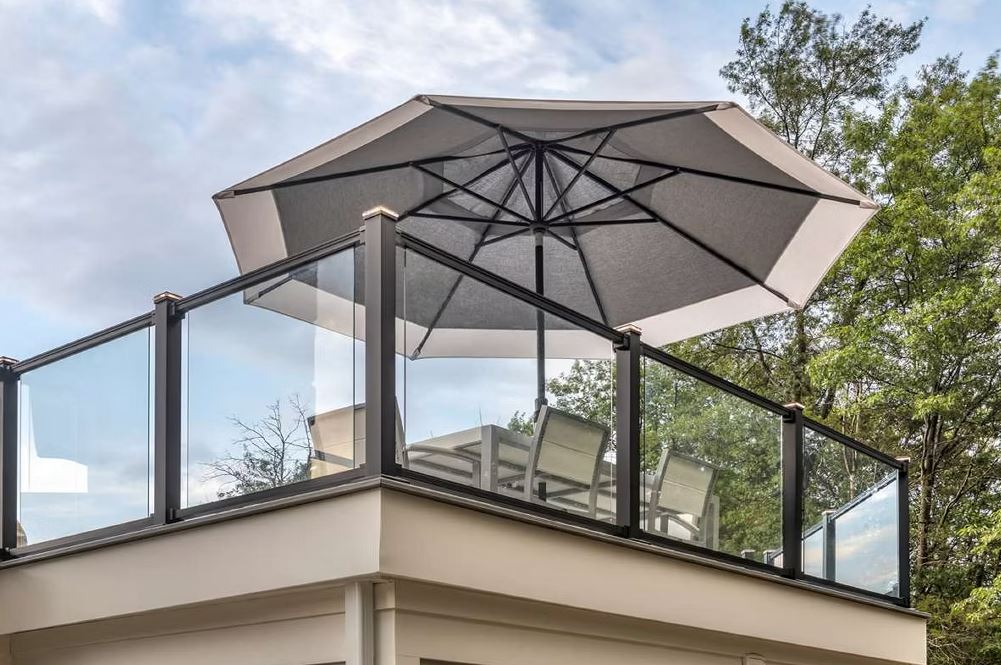
Modern railings are defined by their commitment to simplicity, clean lines, and a minimalist aesthetic. They're designed to create an open, spacious feel, often serving a functional role without dominating the visual space.Core Characteristics of Modern Railings
Materials: The foundation of modern railings lies in materials chosen for their durability and sleek finish. Stainless steel is a top choice for its resistance to corrosion and its polished, industrial look. Aluminum is another popular option, prized for being lightweight, strong, and highly customizable with various powder-coated finishes. Glass railings, particularly those made with tempered or laminated glass panels, offer a seamless, almost invisible barrier, providing maximum light and unobstructed views. Cable railings, which use thin stainless steel cables strung horizontally, are an excellent compromise, offering a modern look while maintaining transparency.Design: Modern designs eschew ornamentation and clutter. They favor straight lines, geometric shapes, and a lack of intricate details. The focus is on the materials themselves and the clean execution of the design. This simplicity allows the railing to blend into the background, making it ideal for homes that already have strong architectural elements or where the view is the main attraction. Architectural Compatibility: Modern railings are a perfect match for homes with contemporary, industrial, or minimalist architectural styles. They're often found in new constructions, urban lofts, and homes with large windows and open floor plans. A glass railing on a deck with a panoramic view, or a stainless steel and cable railing on an interior staircase, can unify a modern home's aesthetic, adding a sense of sophisticated simplicity.
Exploring Traditional Railings
Traditional railings embody a sense of history, craftsmanship, and timeless elegance. They're often characterized by intricate details, ornate patterns, and a warmth that modern styles don't always convey.Core Characteristics of Traditional Railings
Materials: Wood is the quintessential material for traditional railings. From hardwoods like oak and mahogany to more common pines and firs, wood offers warmth and a classic look that can be stained or painted to match any décor. Wrought iron is another classic material, renowned for its strength and ability to be forged into beautiful, detailed patterns. These materials inherently lend themselves to a sense of craftsmanship and permanence. Design: Traditional railings feature a rich variety of decorative elements. Balusters can be turned with elegant curves or carved with intricate patterns. Newel posts (the larger posts at the start and end of a railing) are often the centerpiece, featuring detailed caps or finials. Wrought-iron railings can be crafted with decorative scrollwork, floral motifs, and other ornate designs that reflect historical periods like Victorian, Colonial, or Mediterranean. Architectural Compatibility: Traditional railings are the natural choice for homes with a classic, colonial, rustic, or Victorian architectural style. They enhance the character of older homes and can add a sense of established charm to new builds designed with a traditional feel. A beautifully carved wooden railing on an interior staircase can become a focal point, while a wrought-iron railing on a front porch can add a touch of stately elegance that welcomes guests.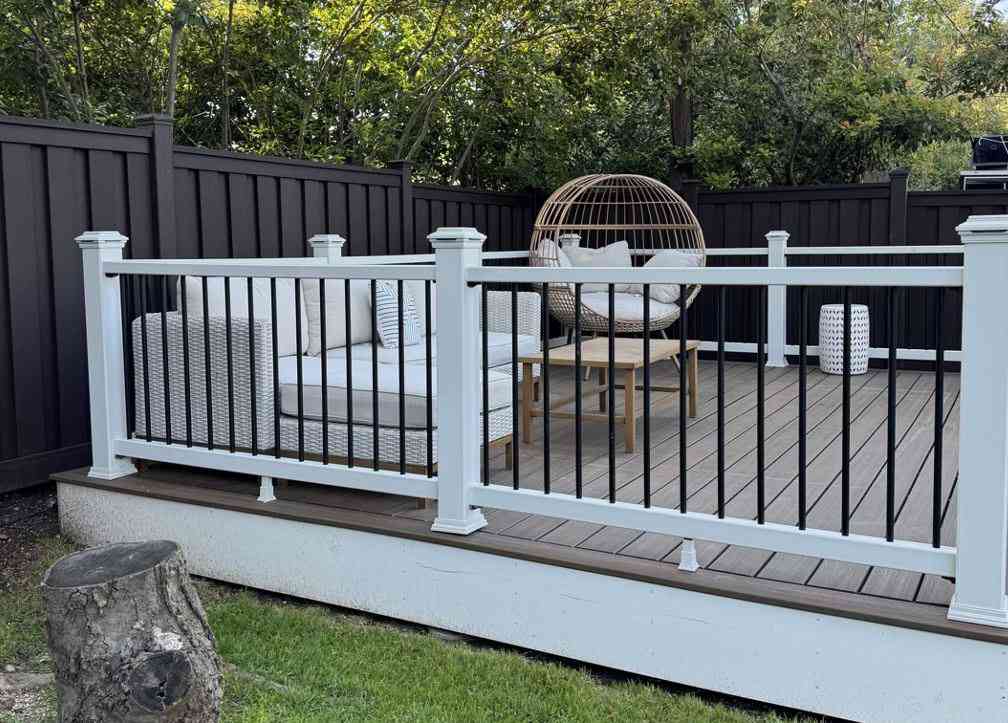
Making the Right Choice: Key Considerations
Choosing between these two styles requires careful consideration of several factors beyond just personal preference.Architectural Harmony: The most critical factor is ensuring the railing style complements your home’s existing architecture. A sleek, minimalist glass railing would look jarring on a Victorian home, while an ornate wrought-iron railing could feel out of place in a modern, box-like home. The goal is a cohesive look where the railing feels like an integrated part of the design.
Functionality and Safety: Both modern and traditional railings are built to meet safety codes, but their practicalities differ. Glass railings offer an excellent windbreak on a deck, while cable railings may require more frequent tension adjustments. Wood railings require regular staining, sealing, or painting to protect against the elements, whereas metal railings typically require less maintenance.Maintenance: Think about the long-term care required for your chosen material. Wood needs regular attention to prevent rot, warping, and fading. Wrought iron can rust if its protective coating wears off. Modern materials like stainless steel and aluminum are generally lower maintenance, requiring only occasional cleaning to maintain their finish.
Budget: Cost can vary significantly. Ornate, custom-forged wrought iron or high-end hardwoods will likely be pricier than standard aluminum or wood railing kits. Glass and cable railings also come with unique price points, often requiring professional installation to ensure they are correctly tensioned and sealed. The View: If your home has a spectacular view, a glass or cable railing is an excellent choice, as it minimizes visual obstruction. If the view is less important, a more solid, traditional railing can provide a sense of enclosure and privacy.Ultimately, the right railing is one that not only provides the necessary safety and security but also enhances your home's aesthetic, reflects your personal taste, and fits within your budget and maintenance capabilities. By considering these factors, you can make a choice that will bring both beauty and value to your home for years to come.
Are you ready to begin your transformation? If you’re ready to take the next step, our team at Arlington & Lumber Company is here to help. Proudly serving Arlington, Wilmington, Burlington, Sudbury, and Chelmsford, Massachusetts, we offer expert guidance and premium railing products tailored to your location, style, and lifestyle. Contact us today to schedule your free consultation.
