

Unlock Energy Savings and Comfort with Garage Ceiling Insulation
Unlock Energy Savings and Comfort with Garage Ceiling Insulation
Garages have evolved, far beyond just parking cars or storing tools. In recent years, people have managed to convert their garage spaces into more productive ones like home gyms, art studios, music studios, or even extra living areas. In essence, these garage spaces have transformed into hubs for creativity and productivity.
Professionals are increasingly raising questions as this garage transformation continues to gain acceptance. Is the garage ceiling insulated to make sure the temperature is regulated, energy efficiency is boosted, noise is cut down, and moisture is prevented from building up? These are the important things to work on before transforming your garage to ensure it stays comfortable and functional, no matter the season.
Should you insulate your garage ceiling?
Many homeowners opt for batt insulation when planning to heat or cool their garage. Batt insulation is a highly effective and easy-to-install option. Insulating the garage ceiling is crucial to prevent climate-controlled air from escaping through the roof or walls, and it helps regulate the temperature inside the garage, making it more comfortable year-round. Some homeowners choose to add a living space above their garage. If this is the case, an insulated ceiling is especially important. Why so? In the summer, the transfer of heat from the garage into the living area can cause discomfort and complicate the cooling process. During the winter months, the absence of insulation can result in drafts and cold conditions.
Garage insulation does not only mean insulating the garage ceiling. You also need to make sure that the walls are well insulated. Replace and properly seal defective doors to ensure no gaps allow air to easily flow in and out. Additionally, properly seal the windows to prevent the accumulation of moisture and mold. Consider these straightforward actions to guarantee the garage insulation performs optimally and complements the garage ceiling insulation.
Why is it beneficial to insulate your garage ceiling?
To make sure your home stays comfortable and save on energy consumption throughout the different seasons, you simply insulate your garage ceiling. By doing so, you maintain a consistent temperature in your garage, keeping it cooler during the hot summer months and preventing heat loss during the cold winter months. Doing so also helps in minimizing the load on your home's cooling and heating systems, allowing you to enjoy a more stable indoor climate in those seasons.
Insulation not only provides comfort, but it also protects your property from dampness and prevents noise transfer from the garage to your living space. It prevents condensation, which can cause mold, mildew, and damage over time. If you also want to prevent drafts and pollutants from entering your home, insulation is your best solution to improve the air quality. Insulating your garage ceiling is not just a practical renovation solution to keeping your home safe, comfortable, and stable when harsh weather conditions strike; it also adds value to your home.
Types of Garage Ceiling Insulation
Spray Foam Insulation
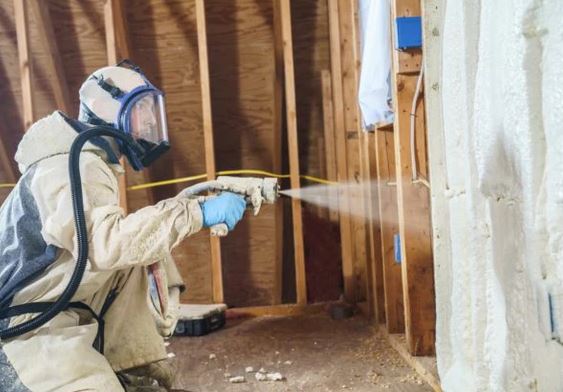
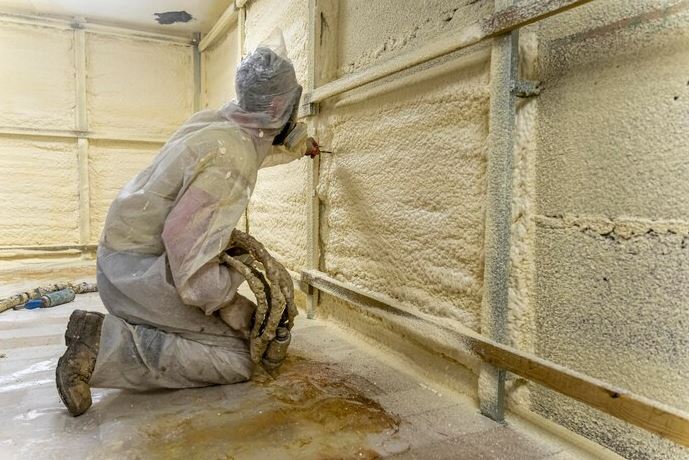
Polyurethane spray foam insulation is typically considered one of the most effective insulation options available. Its high R-value and ability to form an airtight seal make it ideal for blocking drafts and maintaining stable indoor temperatures. While it is more expensive than other insulation solutions, particularly in its denser, closed-cell version, its improved performance makes the investment worthwhile, especially for heavy-duty applications such as insulating a garage ceiling. Closed-cell spray foam is an excellent choice if you intend to connect new wiring or plumbing through the ceiling because it is applied along the roofline, allowing access to the trusses and frame. However, professionals typically install spray foam insulation due to its intricacy, particularly in larger buildings.Fiberglass
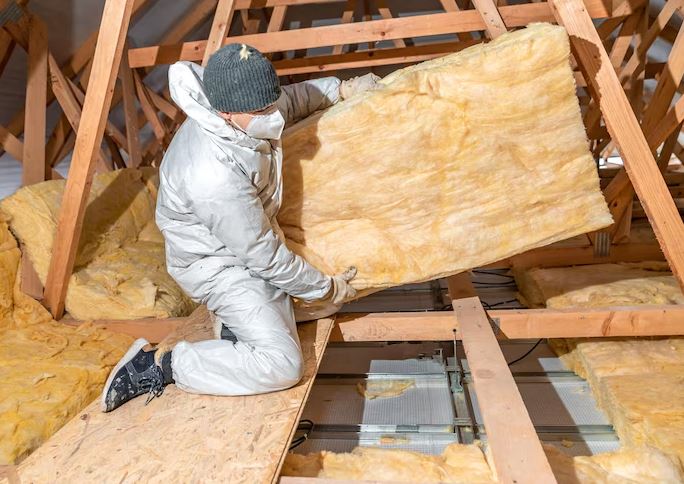
Fiberglass batt insulation is a cost-effective and efficient way to insulate garage ceilings. It is made of flexible blankets that are also made of glass fiber that traps air, increasing energy efficiency and reducing heat transfer. Batts can be conveniently installed between the ceiling and joists because they are pre-cut. Fiberglass insulation serves as a vapor barrier, preventing moisture buildup and enhancing the overall durability and comfort of your garage. Fiberglass batt insulation is the initial go-to material when insulating garage ceilings because it is inexpensive, good for both thermal insulation and soundproofing, and it is easy to install. Fiberglass is also fire-resistant, making it more attractive to workers as it increases safety and greatly minimizes noise transfer if the garage is utilized for workshops or living space.Cellulose
You can apply cellulose insulation, often made from recycled materials like paper or denim, by hand or by spraying it with water. If you have at least one other person to help, you can often install it as a DIY effort, making it the most cost-effective alternative. However, it may provide difficulties if future access to your attic, wiring, or plumbing is required.Foam Board Insulation
Foam board insulation, also known as rigid or continuous insulation, is made out of a dense foam core that can be bonded on one or two sides. This sort of insulation not only decreases heat loss, but it also provides excellent moisture and vapor management. As a result, foam board insulation keeps the inside of your walls dry, preventing mold growth and water damage. Its versatility and durability make it a dependable choice for a variety of insulating applications.Mineral Wool
Mineral wool, a denser alternative to fiberglass, is a less popular type of insulation available in both batts and rolls. Made by spinning molten rock and reinforcing it with glass fibers, it is less irritating to the skin than other insulation materials. However, it is a more expensive alternative.
Insulating your garage ceiling is a smart investment that brings a number of benefits, from improved energy efficiency to enhanced comfort throughout your home. It also helps regulate temperature, reduce energy bills, and minimize noise pollution. Garage ceiling insulation protects your garage space and items from extreme temperatures, preventing damage and extending their lifespan. With proper insulation and the right kind of insulating material, you'll create a more functional and comfortable environment that you can use for workshops, storage, a gym, or an additional living space. Contact Arlington Coal & Lumber Company today to explore your insulation options and ensure your garage is properly protected.