

The Smart Homeowner's Guide to Exterior Wall Insulation

The Smart Homeowner's Guide to Exterior Wall Insulation
The Science Behind Heat Transfer and Wall Insulation
To fully appreciate the importance of wall insulation, you must understand the three primary modes of heat transfer: conduction, convection, and radiation.- Conduction: The transfer of heat through a solid material. This is the most common form of heat loss through building walls. Heat travels from the warmer interior through the wall materials to the colder exterior (and reverses in the summer).
- Convection: Heat transfer through the movement of fluids, such as air. Air leaks are a major culprit here. Unsealed cracks and gaps allow warm air to escape in the winter and cool conditioned air to leak out in the summer, significantly increasing energy costs.
- Radiation: The transfer of heat through electromagnetic waves. While less dominant, a warm interior surface can radiate heat to a cooler exterior surface.
Insulation works by creating a barrier that slows down all three processes. It does this primarily by trapping tiny pockets of air within its structure, as air is a poor conductor of heat. This creates a thermal resistance measured by an R-value—the higher the R-value, the better the insulation's ability to resist heat flow.
Choosing the Right Insulation for Your Project
The choice of insulation material and method depends heavily on the type of wall construction, climate, budget, and desired R-value.- Batt and Roll Insulation
- Material: Fiberglass or mineral wool panels/rolls.
- Best Use: New construction or major renovations where walls are open.
- Key Feature: Cost-effective and widely available. It must be installed perfectly, without compression or gaps, to maintain its rated R-value.
- Spray Foam
- Material: Open-cell or closed-cell polyurethane.
- Best Use: Maximizing insulation in tight spaces; ideal for excellent air and moisture sealing.
- Key Feature: Applied as a liquid that expands to fill and seal the cavity. Offers a very high R-value per inch.
- Rigid Foam Boards
- Material: Expanded polystyrene (EPS), extruded polystyrene (XPS), or polyisocyanurate (polyiso) sheets.
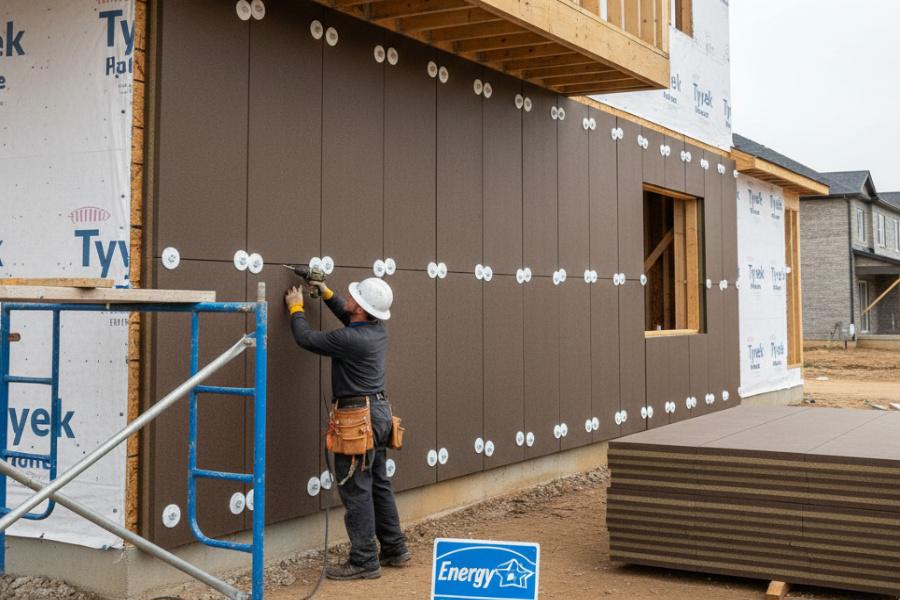
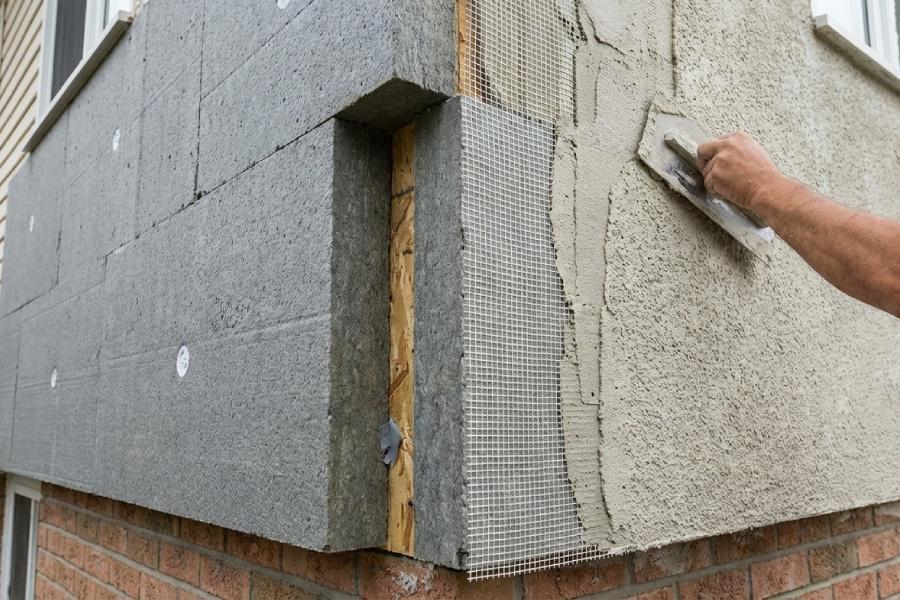
- Best Use: Exterior continuous insulation for new builds or siding replacement.
- Key Feature: Reduces thermal bridging (heat loss through studs) when installed outside the wall sheathing.
- Blown-in Insulation
- Material: Cellulose (recycled paper) or loose-fill fiberglass.
- Best Use: Retrofitting existing homes where tearing down drywall is not feasible.
- Key Feature: Fills hard-to-reach, existing wall cavities without extensive demolition.
Critical Steps for Proper Installation
Even the highest-quality insulation will underperform if it isn't installed correctly. A professional, meticulous approach is key to achieving maximum efficiency.
- Seal All Air Leaks: This is the most critical first step. Before insulating, all cracks, gaps, and penetrations (around pipes, wires, windows, and doors) must be sealed with high-quality caulk or foam. Air sealing can be more impactful than adding insulation alone.
- Ensure Full and Uncompressed Coverage: For materials like batts, it's vital that the insulation fills the entire wall cavity without being compressed. Compression significantly reduces the material's air pockets, lowering its R-value and effectiveness.
- Mind the Vapor Barrier: In colder climates, a vapor barrier (a thin plastic sheet or specialized paint) is often installed on the warm side of the wall. This prevents interior moisture from condensing inside the wall cavity, which can lead to mold and rot.
- Address Thermal Bridging: Continuous insulation (like rigid foam boards) on the exterior of the studs is the most effective way to combat thermal bridging. Without it, heat can bypass the insulation and escape directly through the framing, reducing the wall's overall R-value by as much as 20%.
The Enduring Benefits of Proper Wall Insulation
Investing in proper exterior wall insulation offers a range of benefits that extend far beyond simply saving money on utility bills.
Enhanced Comfort: A well-insulated home has fewer cold spots and drafts, leading to a more consistent and comfortable temperature throughout.
Noise Reduction: Many insulation materials also have excellent sound-dampening properties, contributing to a quieter, more peaceful indoor environment.
Environmental Impact: By significantly reducing a building's energy consumption for heating and cooling, proper insulation helps lower its carbon footprint and lessen its impact on the environment.
Increased Property Value: An energy-efficient home is a highly desirable asset. Potential buyers are often willing to pay more for a property that promises lower long-term operating costs and superior comfort.
Ultimately, exterior wall insulation is a critical component of a high-performance building envelope. By selecting the appropriate materials and ensuring a professional, meticulous installation, you can maximize energy efficiency, enhance occupant comfort, and contribute to a more sustainable future.
Ready to upgrade your home?
Contact Arlington Coal & Lumber Company today. We're here to help you find the ideal home insulation and building materials to bring a next-level impact to your project. We proudly serve Arlington, Wilmington, Burlington, Sudbury, and Chelmsford, Massachusetts. Contact us today to schedule your free consultation.
