

The Ultimate Guide to Home Weatherization: Save Energy, Boost Comfort
The Ultimate Guide to Home Weatherization: Save Energy, Boost Comfort
Pipes, faucets, automobiles, windows, and doors may all leak. But did you know you may also have a leaking house?
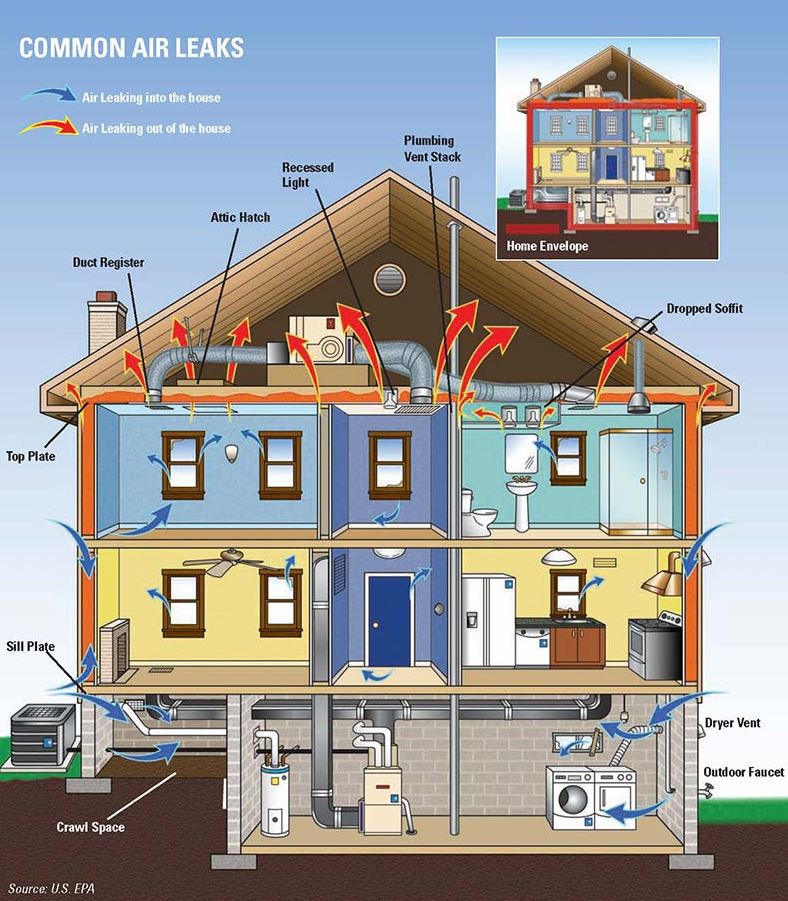
It is true. Home air leaks can waste the energy you spend on heating and cooling! Houses that have not been weatherproofed have air leaks, which may make your home extremely uncomfortable in both summer and winter.
So, what can you do to address this uncomfortable, energy-wasting issue? That's where weatherization comes in. Whole-house weatherization enhances both your comfort and your home's energy efficiency.
But wait, what is weatherization?
Weatherization (also known as weatherproofing or winterizing) is the act of shielding a home's interior from external elements such as dampness, cold air in the winter, hot, humid air in the summer, and even sun, snow, and ice damage.
Weatherization acts as a protective layer surrounding your home, keeping you comfortable regardless of the season. It also reduces the monetary burden of energy waste associated with poorly insulated and "leaky" homes.
And, what is a leaky house? Good thing you asked! It's a home that hasn't had all of the gaps, seams, and cracks—otherwise known as air leaks—that generate cold drafts and stuffy air sealed up.
What makes weatherization important?
For starters, weatherization "winter proofs" or "weatherproofs" your home. But it also helps to "summer proof" your home.
Weatherization prevents undesired cold from entering your home through windows and doors throughout the winter months. Additionally, weatherized, insulated, or sealed windows, doors, crawlspaces, floors, and attics prevent heat from escaping.
In the summer, weatherizing your home helps to minimize inconsistent temperatures and keeps things cool and comfortable even when it's hot outside. It also aids in controlling moisture levels in your home on particularly humid summer days.
Here are a few major reasons why weatherizing your home is essential:
- It makes your home more pleasant year-round.
- It reduces energy waste and can help lower high energy bills.
- According to the Environmental Protection Agency, it has been shown to improve indoor air quality.
- It can help keep your home safe from harm like ice dams.
- It helps control moisture levels in your home and reduces the likelihood of mold or mildew problems.
- It can reduce the risk of illnesses caused by homes that are too chilly in the winter or too warm in the summer.
If you are still not convinced, these energy-efficient home upgrades may raise the value of your property.

How do you weatherize your home?
It can be difficult to know where to begin when you first decide to weatherize your home. Regardless of your home's specific requirements, whole-house, top-to-bottom weatherization usually begins with an energy audit or home energy assessment.
An energy audit is the most effective approach to determine exactly where your home is losing energy and how you might potentially save money on your energy bill. These assessments can be performed by a professional, or you can conduct a basic DIY energy audit.
Here are some of the weatherization upgrades you might require after an audit:
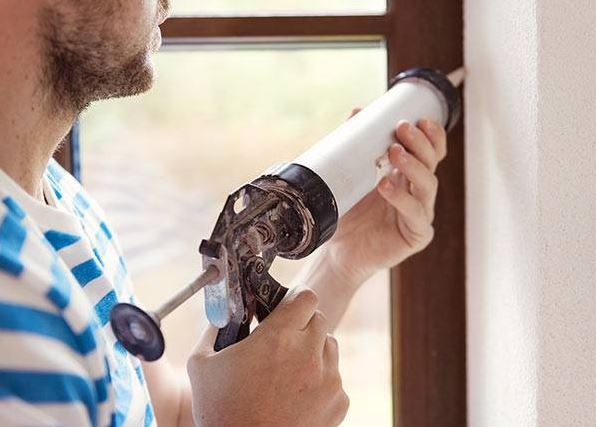
- Air sealing, including weatherstripping for doors and windows.
- Improved ventilation
- Insulation upgrades
- Fix or reduce moisture levels (if necessary).
- Performance improvements for the HVAC system and ducting.
Overall, whole-home weatherization is a significant undertaking. It requires some basic knowledge of building science to ensure that it is done correctly—and that you do not unwittingly exacerbate your problems.
Major areas of your home that need to be weatherized
Regardless of your home's peculiarities and individual demands, there are nine major areas of weatherization improvements that most homes require:
- Doors & windows: Drafty windows and doors provide ideal conditions for air leaks and moisture vapor. Seal them well with new weatherstripping, and you'll notice less wasted energy and improved comfort in no time.
- Foundation: Brick, concrete, and stone foundations of older structures can erode with time, allowing air to leak in.
- Crawl spaces: There are numerous techniques to weatherproof a crawlspace. You may insulate rim joists, wall fissures, and even pipes. It all relies on your space requirements.
- Fireplace: If there isn't a fire in your fireplace, keep the damper closed to prevent warm air from entering the chimney.
- Attic: Attic insulation is one of the most effective ways to improve your home's comfort and energy efficiency. However, certain houses typical attics, necessitating a unique weatherization approach for each property.
- Recessed lighting: While this form of lighting is desirable, it can result in significant heat loss through the top of the attic. Professionals know how to seal these and other light fixtures to prevent airflow difficulties.
- Basement: Insulated basement walls can improve the energy efficiency of your home. Every home is unique, however mineral wool or foam board could be an excellent option in this case because it does not degrade when wet.
- Vents and fans: Exhaust fans like bathroom fans do not remove moisture unless they are properly vented outside. You may increase your ventilation by installing energy recovery ventilation systems.
- Walls or ceilings of attached garages: Poorly insulated walls or ceilings in an attached garage that is connected to a living room in your home may allow outside air to infiltrate into your home.
Ready to take the plunge and weatherize your home? Visit Arlington Coal & Lumber Company, which serves Greater Boston in Massachusetts and New Hampshire! Our specialists can assist you in selecting the best flashing, floor protection, house wrap, vents & blocks, and other weatherization options to help you save money on energy while also living in a more comfortable, weather-proof home. Get started immediately by visiting us online or in one of our locations!