Protect structural integrity on every build with quality flashing products for your home weatherization projects at
Arlington Coal and Lumber Company. Understanding
flashing products is essential, as professional-grade weatherproofing is vital for sealing joints and openings against water infiltration, making these items a necessary sub-category under
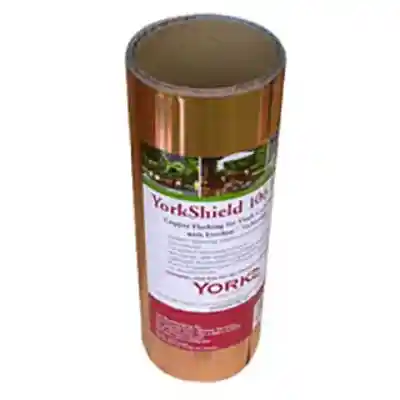
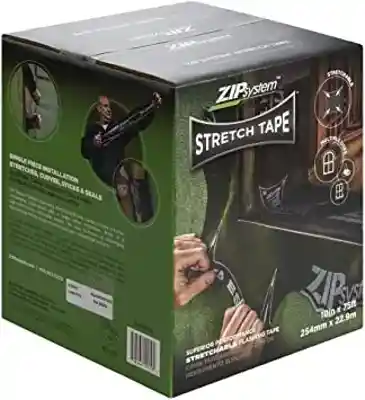
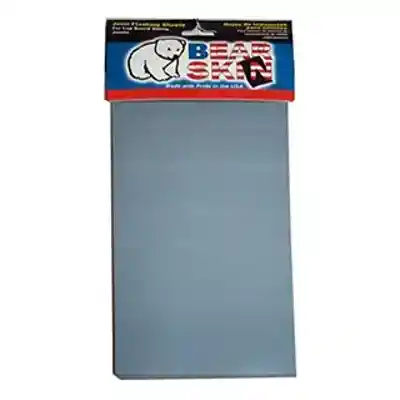
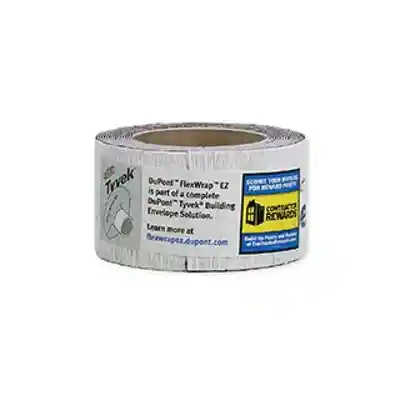
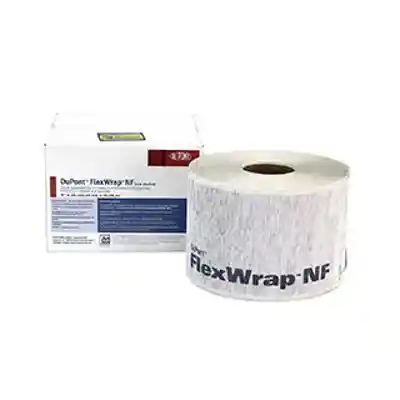
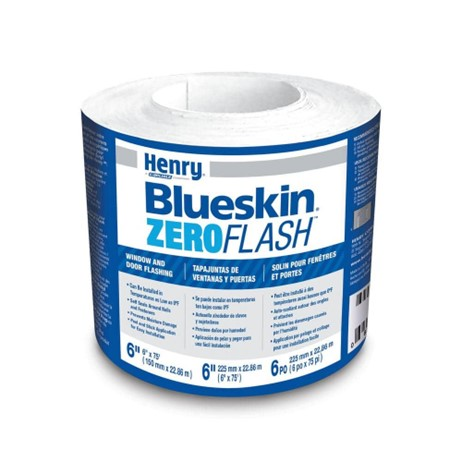
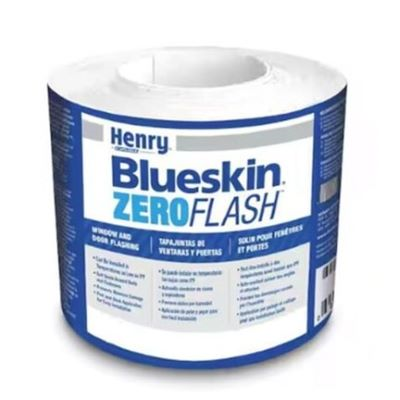
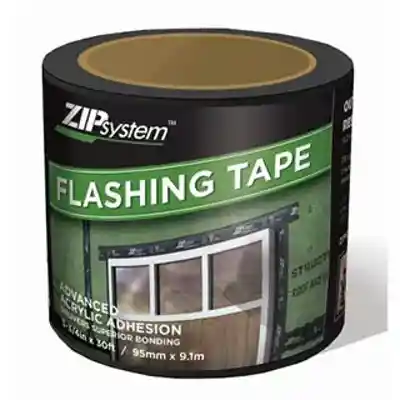
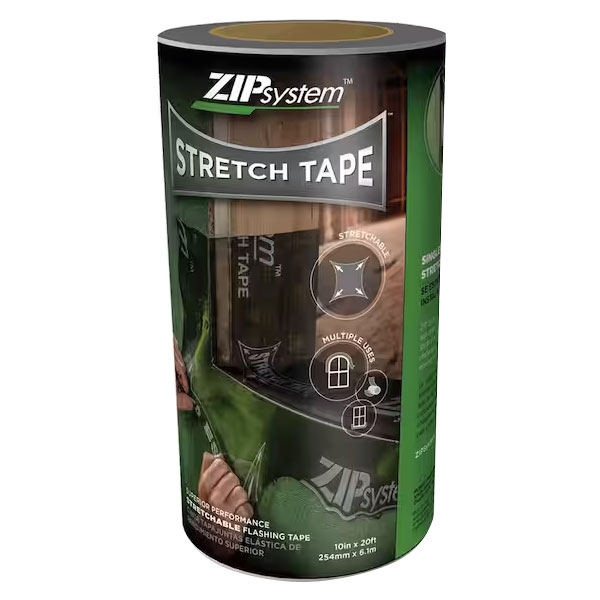
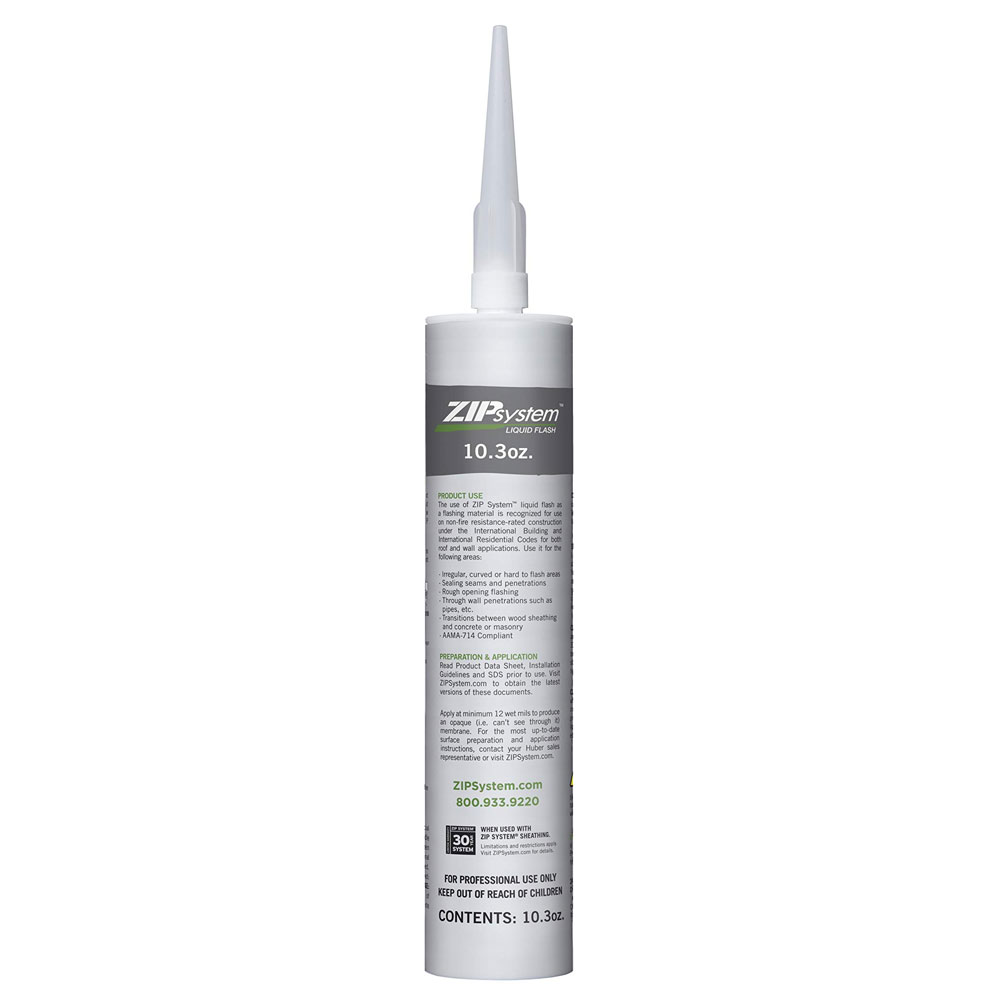
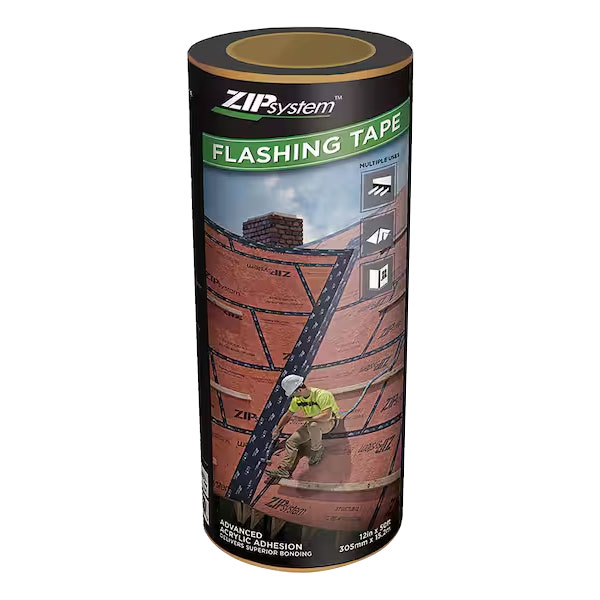
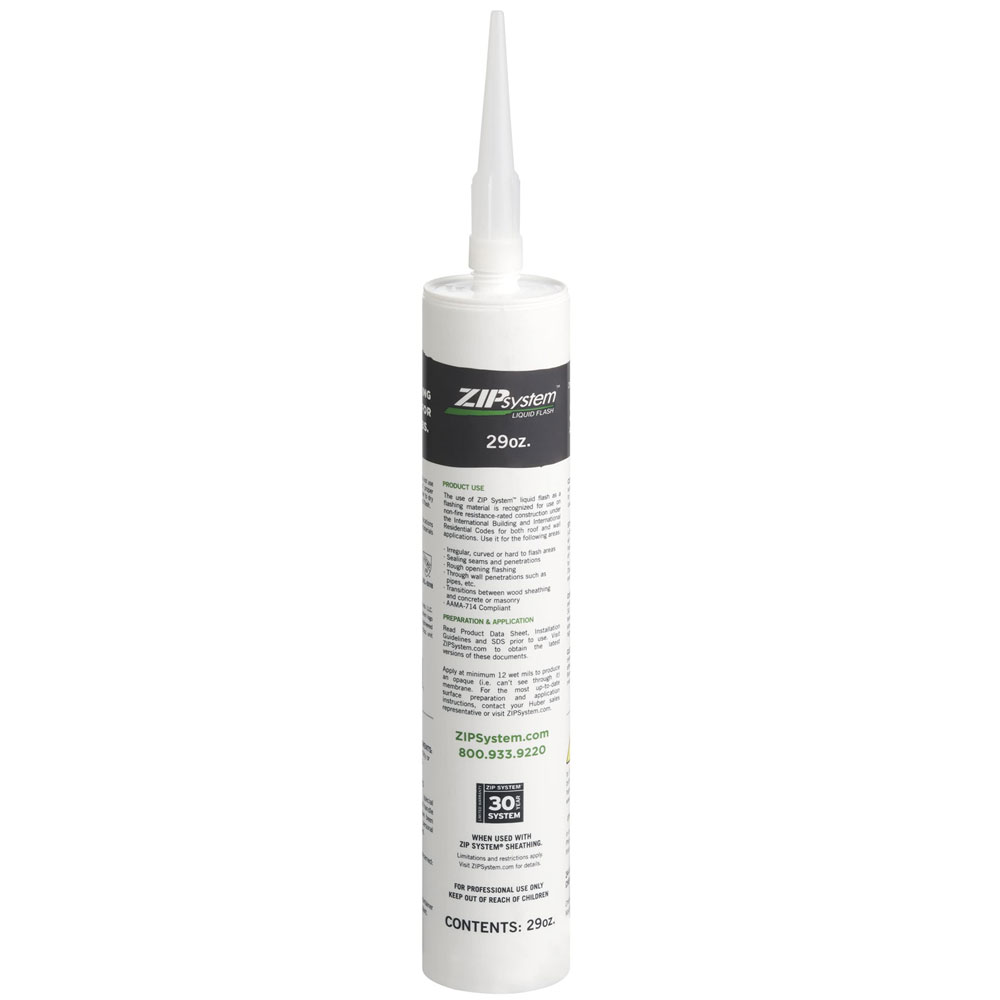
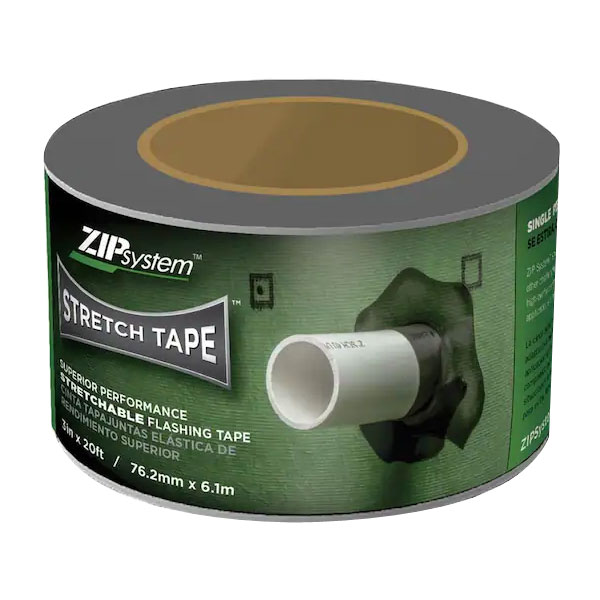
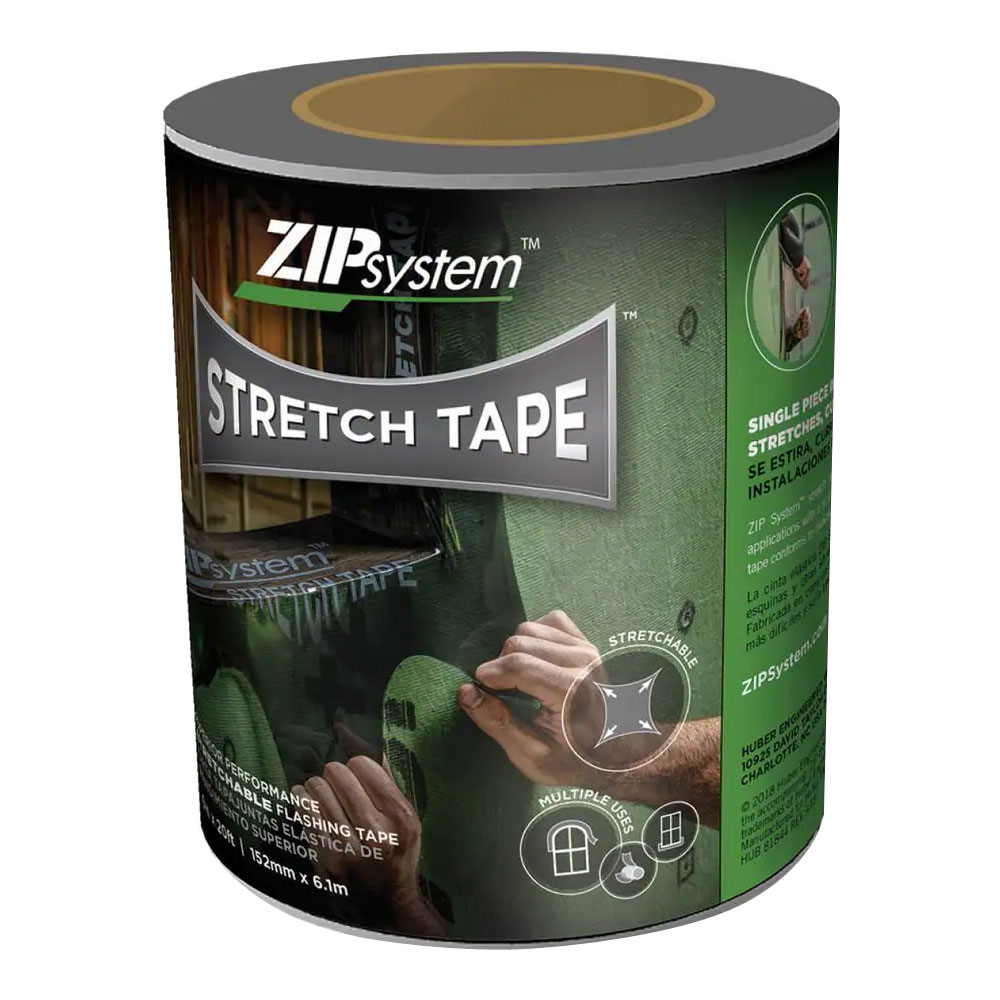
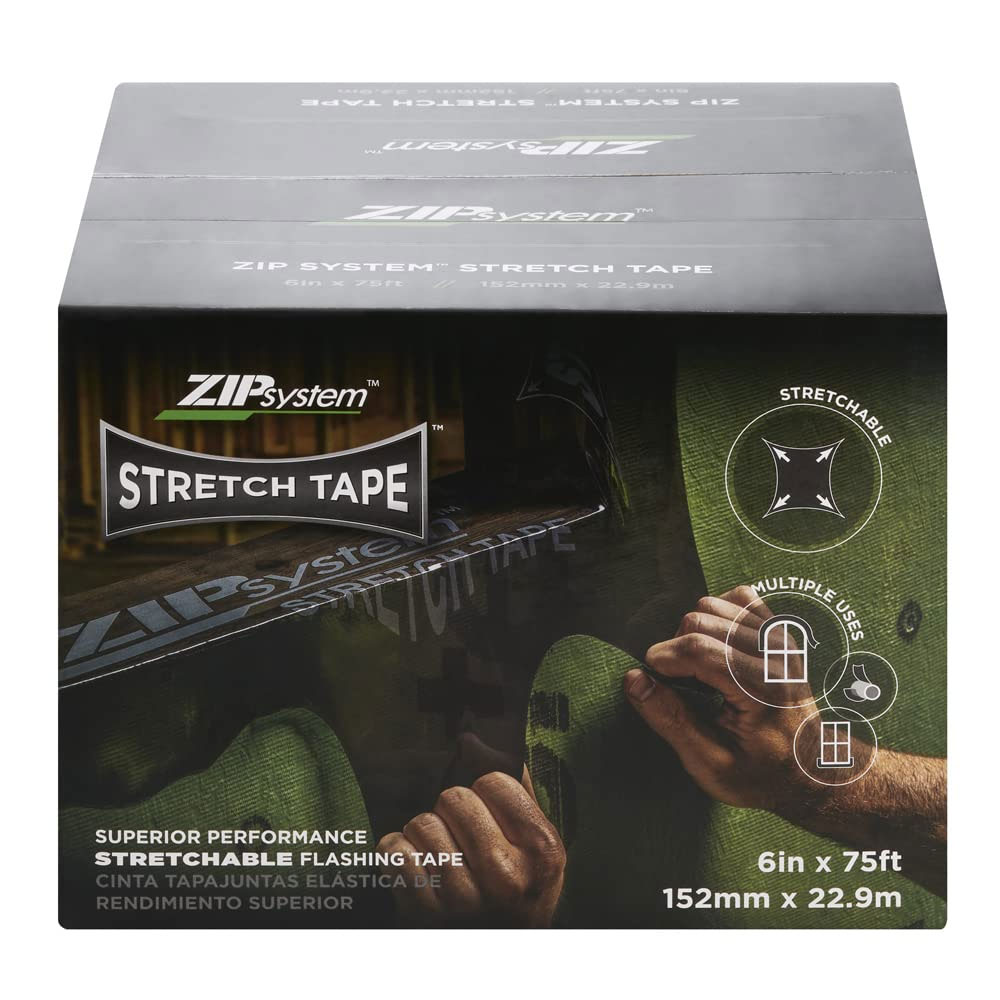
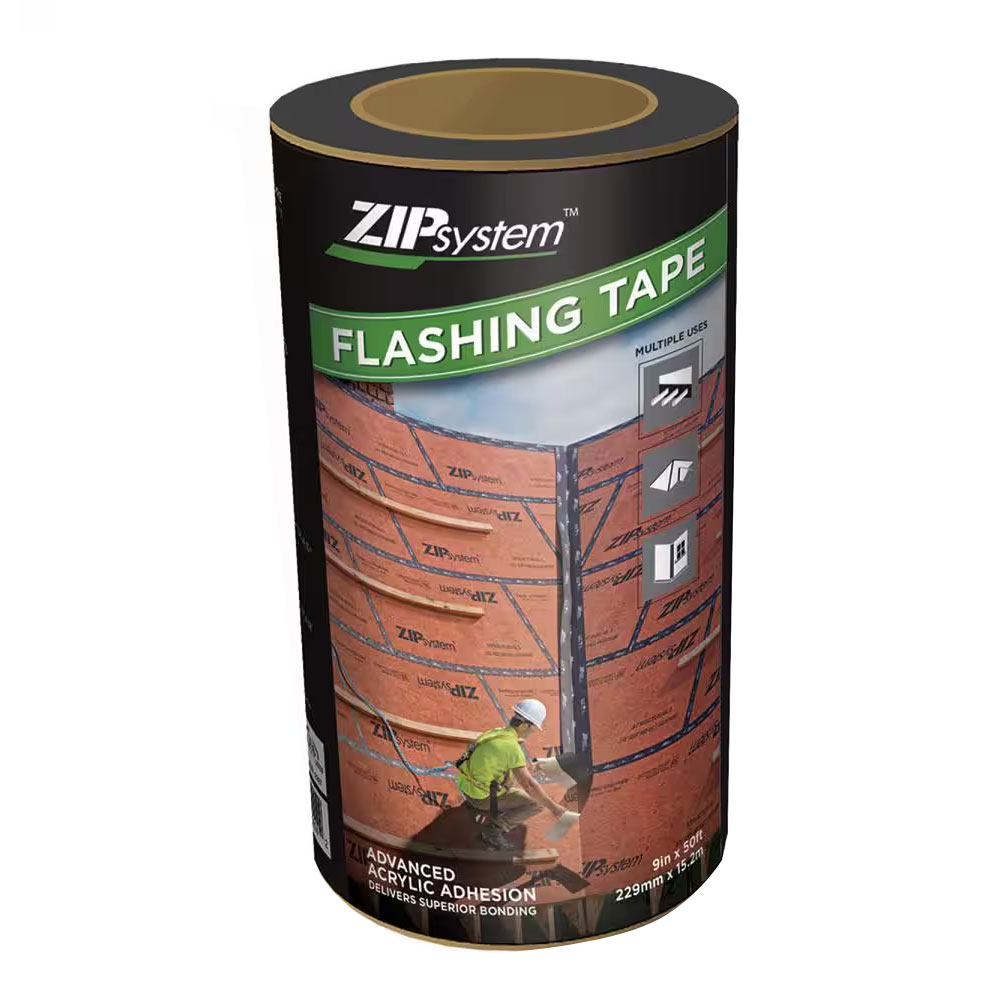
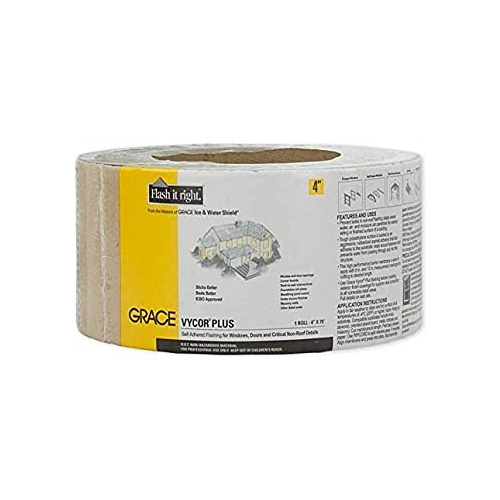
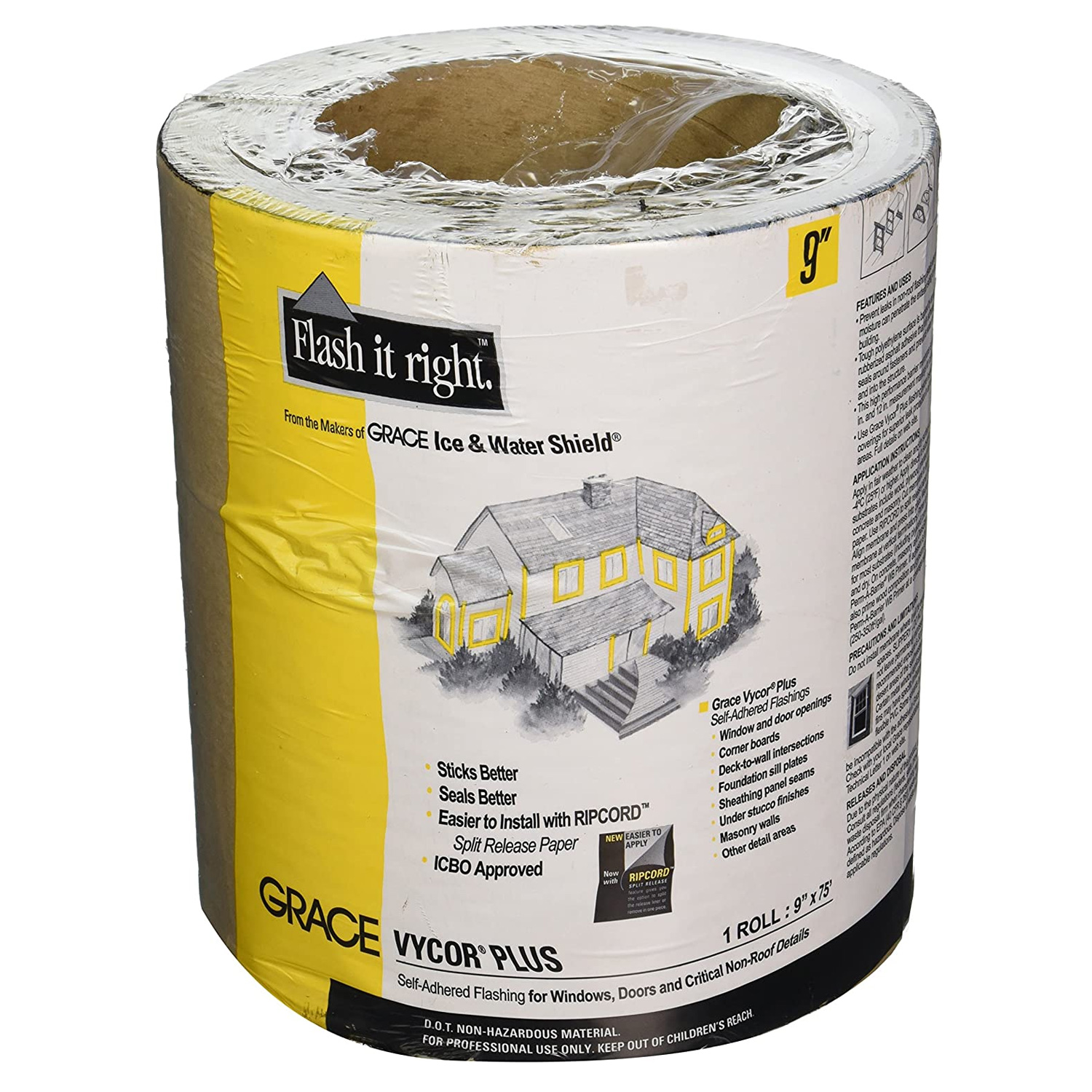
home weatherization. Contractors rely on our vast selection of self-adhered and waterproof tapes, including 3-in x 20-ft Huber stretch flashing tape (12/box), 3.75-in x 30-ft Huber Zip tape mini roll, 3.75-in x 90-ft Huber Zip System tape, 6-in x 20-ft Huber stretch flashing tape, 6-in x 75-ft Huber stretch flashing tape, 6-in x 75-ft Huber Zip System valley flashing tape, 9-in x 50-ft Huber Zip System flashing tape, 10-in x 20-ft Huber stretch flashing tape, 10-in x 75-ft Huber stretch flashing tape, 12-in x 50-ft Huber Zip System flashing tape, 3M all weather flashing tape in sizes ranging from 4-in to 12-in x 75-ft, DuPont 2-3/4-in x 15-ft FlexWrap-EZ, DuPont 6-in x 75-ft FlexWrap NF, Grace Vycor Plus self-adhered flashing, and Henry Zero Flash Blueskin butyl flashing rolls. These are applied effectively around rough openings, exterior sheathing seams, and sub-grade transitions to stop moisture intrusion. We also carry essential liquid flashing options and installation tools like 10.3 oz Huber Zip System liquid flash, 20 oz Huber Zip System liquid flash sausage tube, 29 oz Huber Zip System liquid flash, Huber Zip System liquid flash sausage applicator gun, Huber Zip System tape roller with marking, and the Huber Zip tape gun kit. These tools are designed to expedite application, seal complex geometric penetrations, and ensure secure adhesion across outdoor wall assemblies. To complete your build, choose from our metal flashing products and rain shields, featuring 8-in x 20-ft York-Shield 106-pt 3 oz copper flashing, 8-in x 20-ft York-Shield 304-SS stainless steel flashing, 10-in and 12-in copper flashing options, Bear Skin joint flashing packs, and various black and mill finish rain shields (5-ft to 10-ft). These are deployed for lasting corrosion resistance on roof edges, step flashing applications, and wall water management systems. Serving Greater Boston, Massachusetts, New Hampshire, and the surrounding New England region as a premier home improvement store and local building supply destination, we deliver top performance. We are your best partner in bringing your dream project to life by providing best material estimates with our friendly locations close to you from
Arlington Coal and Lumber Company,
Burlington Lumber Company,
Wilmington Builders Supply,
Sudbury Lumber Company,
Chelmsford Lumber Company, and
Hudson Lumber Company. Browse through our
online product catalog today, and reach out when you need to
contact us for bulk ordering. You can also
create an account online to streamline your checkout process.
Let's understand flashing for home weatherization. Flashing serves as the critical line of defense in your building envelope, designed specifically to direct water away from vulnerable seams, joints, and penetrations where different building materials intersect. Without proper flashing, water can easily seep behind siding or roofing materials via capillary action or wind-driven rain, leading to hidden rot, structural decay, and expensive mold remediation. Modern home weatherization utilizes a combination of traditional metal flashing for rigid areas and advanced flexible materials, like butyl tapes and fluid-applied membranes, that can stretch and conform to complex shapes such as curved window sills or pipe penetrations. By creating a continuous drainage plane, high-quality flashing ensures that any moisture hitting the exterior of the house is safely channeled down and out, preserving the lifespan of your framing and insulation.
Buyers Guide: To help you make an informed decision for your next exterior build, we have compiled a comprehensive guide answering the most common questions contractors and homeowners ask regarding home weatherization and proper flashing techniques.
- Which metal is best? Aluminum is lightweight, cost-effective, and easy to bend, making it a popular choice. Copper is highly durable, offers a premium aesthetic, and lasts for generations but comes at a higher cost. Galvanized steel is strong and rigid, though it can eventually rust if the zinc coating is compromised.
- How long does flashing last? When installed correctly, high-quality metal flashing can last up to 80 years, while modern synthetic tapes and membranes typically offer 20 to 50 years of protection, depending on UV exposure and climate conditions.
- Does the flashing match the roof color? Metal roof flashing is often sold in standard mill finish or pre-painted colors like black, brown, or white to blend in with your shingles. Copper will naturally patina to a beautiful green or brown over time.
- Will the metal rust over time? Copper and aluminum do not rust, though they may oxidize or corrode under specific chemical conditions. Galvanized steel resists rust well, but if it gets deeply scratched, the exposed raw steel can rust.
- Where is flashing required on a roof? It is mandatory at any roof penetration or intersection. This includes roof valleys, around chimneys, skylights, plumbing vents, and where the roof deck meets a vertical wall.
- How do you install step flashing around a chimney? Step flashing is installed by weaving individual pieces of L-shaped metal alternating with each course of roofing shingles along the side of the chimney, ensuring that water cascades down the roof rather than slipping under the shingles.
- Can you layer new flashing over old flashing? It is highly discouraged. Layering new over old can trap moisture between the layers, prevent a tight seal, and lead to premature failure. Always strip down to the substrate and apply new flashing.
- How do you seal the edges properly? For metal flashing, edges are often sealed using a high-quality exterior grade polyurethane roofing sealant. For peel-and-stick membranes, using a specialized seam roller ensures the adhesive fully bonds to the substrate without air pockets.
- How can you tell if flashing is leaking? Common signs include water stains on your interior ceilings or drywall, damp insulation in your attic, peeling paint near rooflines, or visible rust and gaps on the exterior roof penetrations.
- What causes flashing to fail? Failures are typically caused by poor installation, severe weather damage, structural settling that breaks the sealant bond, or simply old age and metal fatigue from extreme temperature fluctuations.
- How much does it cost to repair damaged flashing? Costs vary based on accessibility and material, but minor repairs generally range from simple patching costs to extensive tear-offs if the surrounding roof or siding is damaged.
- Can a bad flashing cause indoor water stains? Absolutely. In fact, faulty flashing is one of the leading causes of indoor water stains, as it allows bulk water to bypass your exterior cladding and soak directly into the drywall.
- Are liquid flashing products better than traditional flashing tapes? Liquid flashing is highly versatile and excellent for irregular shapes and complex penetrations where tape might wrinkle, but high-quality butyl tapes remain superior for fast, straight-line application on standard rough openings.
- What temperature is best for applying self-adhered flashing tape? Most standard flashing tapes perform best when applied in temperatures above 40 degrees Fahrenheit. Always check the manufacturer specifications, as some advanced formulations are designed for low-temperature application.
Ideas and Applications for Home Weatherization Flashing:
- Window and Door Rough Openings: Flexible butyl tapes are essential for creating a waterproof pan in window sills, preventing water from pooling and rotting the wooden framing below expensive custom windows.
- Custom Architectural Copper Details: Utilizing copper flashing over bay windows, porticos, or historic home additions provides unmatched weather protection while adding a striking architectural detail that patinas beautifully over time.
- Deck Ledger Boards: Applying a peel-and-stick flashing membrane behind and over the deck ledger board is a critical safety application that stops water from rotting the connection point between a home and an exterior deck.
- Roof Valleys and Dormers: Combining metal valley flashing with a self-adhered underlayment creates an impenetrable barrier in high-flow water areas, ensuring heavy rain or melting snow does not infiltrate the attic.
- Liquid Applied Pipe Penetrations: Using fluid-applied flashing around exterior HVAC, plumbing, or electrical conduit pipes creates a seamless, monolithic seal that accommodates structural movement without tearing.
We also offer a wide array of quality
home weatherization products to complete your build. Whether you need
flashing to seal critical joints, durable
floor protection to keep your site clean during construction, breathable
house wrap for bulk water management, or functional
vents and blocks for proper attic airflow, we have it all.
You can also shop for
all product categories with our complete building products in-stock, ranging from structural
building materials and reliable
fasteners, to essential
hardware. We are a premier local lumberyard offering top-grade
lumber, composites, and plywood, as well as beautiful
moulding and millwork, and so much more.