

Architectural Style Guide: Matching Windows to Your Home
Architectural Style Guide: Matching Windows to Your Home
The selection of window styles is a pivotal decision in residential construction and renovation, acting as a defining factor for a home’s aesthetic and overall architectural harmony. Windows are more than just sources of light and ventilation; they are critical design elements that must be in conversation with the property's specific architectural language. A mismatch can detract from a home's curb appeal, while a perfect pairing elevates its design integrity and perceived value.
The right window amplifies the intended character, whether it’s the sleek transparency of modern design, the cozy structure of a farmhouse, or the intricate detail of a historic revival style. To achieve a cohesive design, the window choice must align with the architectural style's core principles, considering the required proportions, frame materials, and grid patterns (muntins/grilles).
Style-Specific Window Pairings for Architectural Integrity
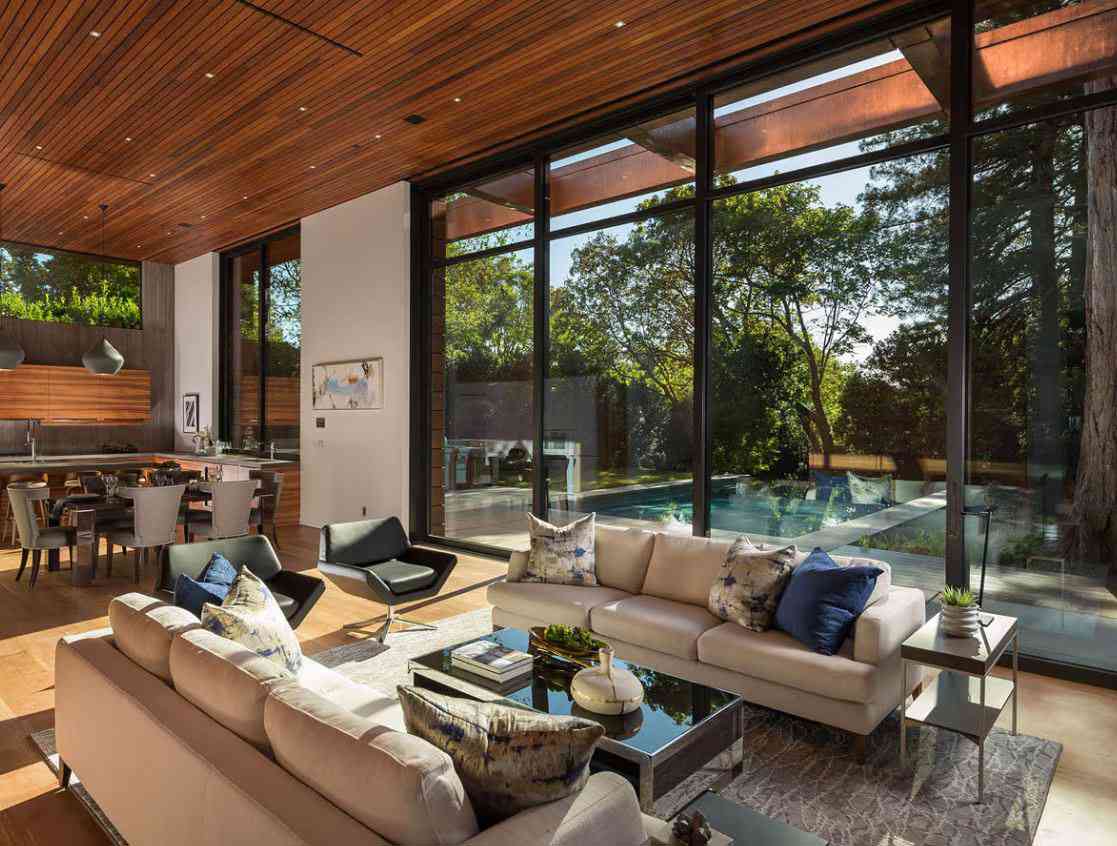
Here is a guide to ensuring your windows complement the most prevalent architectural styles, including considerations for key features and ideal frame materials. 1. Modern & Contemporary Designs This architecture champions the philosophy of form follows function," characterized by clean, unadorned lines, minimalism, and a strong emphasis on natural light and outdoor integration.- Ideal Window Styles:
- Large Picture or Fixed Windows: These maximize light intake and offer expansive, uninterrupted views.
- Casement Windows: Their simple, flat, and single-sash design supports a streamlined aesthetic.
- Minimalist Sliding Windows: Offer a sleek, horizontal design that minimizes the frame profile.
- Key Features:
- Slim Frames: Typically aluminum or steel, often finished in dark colors (like black or dark bronze) to provide subtle, clean outlines.
- No Grids (Muntins/Grilles): The focus is on vast, unobstructed panes of glass.
- Ideal Window Styles:
- Double-Hung Windows: The quintessential traditional choice, maintaining the aesthetic of historical window divisions and offering balanced ventilation.
- Bay or Bow Windows: Used to introduce architectural volume, intricate detail, and depth.
- Key Features:
- Divided Lite Patterns (Grilles): Essential for authenticity. Patterns such as 6-over-6 or 9-over-9 maintain the classic, balanced appearance.
- Materials: Traditionally wood or wood-clad, often in classic white or historically appropriate hues.
- Ideal Window Styles:
- Double-Hung Windows: A foundational element, often featuring simple, larger-paned grids (like 2-over-2).
- Casement Windows: In the modern iteration, clean, well-proportioned casements offer a sophisticated look.
- Key Features:
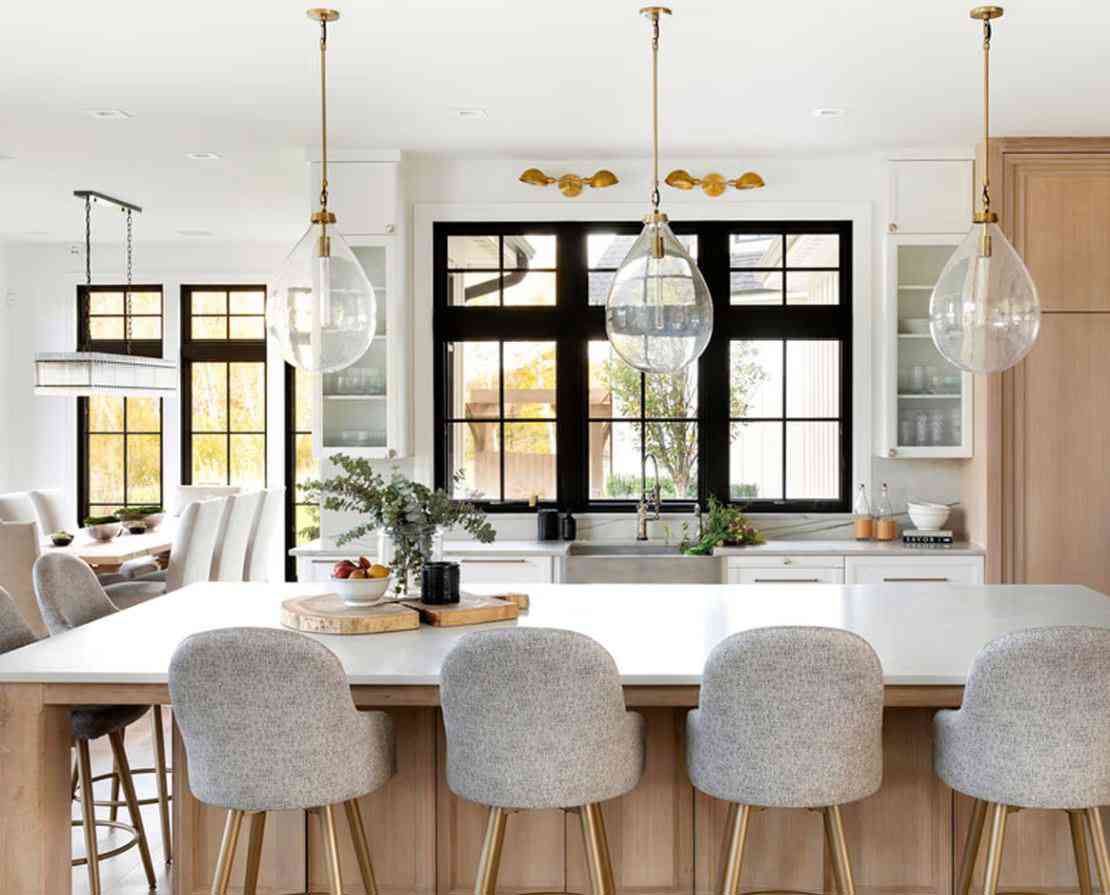
- Grid Patterns: Essential for establishing the style, though often simpler and bolder than in traditional designs.
- High Contrast: The Modern Farmhouse often uses dark (black) frames set against a light-colored exterior.
- Craftsman & Arts and Crafts Designs
- Ideal Window Styles:
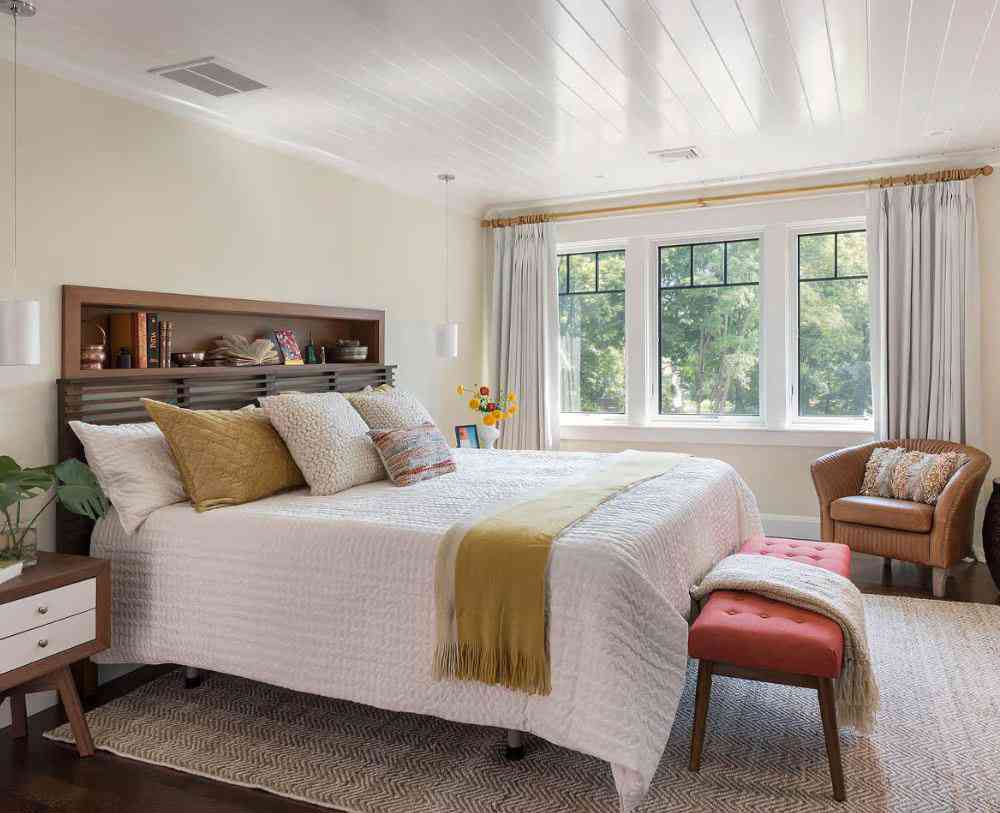
- Double-Hung Windows: The standard choice, often arranged in groups.
- Casement Windows: Frequently used in the upper sections of a window grouping.
- Key Features:
- "Three-over-One" Grille Pattern: A distinct characteristic where the upper sash has multiple divided lites and the lower sash is a single, uninterrupted pane.
- Trim: Wide, thick, and simple exterior trim is essential to honor the style's emphasis on substantial woodwork.
- Materials: Wood or durable fiberglass that replicates natural texture.
- Victorian & Queen Anne Revival Styles
- Ideal Window Styles:
- Large Double-Hung Windows: To match the grandeur of the tall facades.
- Bay and Turret Windows: Essential for adding three-dimensional complexity.
- Key Features:
- Decorative Glass: The use of colored, leaded, or stained glass in the upper sash or as a transom panel is a hallmark of the style.
- Frame Shapes: Windows, particularly on gables, may feature a gentle curve or arch.
- Ornate Trim: Highly detailed, decorative woodwork around the window frame.
- Tudor Revival Designs
- Ideal Window Styles:
- Casement Windows: Hinged on the side to open outward, this is the most authentic choice.
- Fixed Windows: Used to mimic the historic look without the need for ventilation in all openings.
- Key Features:
- Diamond or Rectangular Grille Patterns: The classic Tudor window features small, often diamond-shaped panes held by simulated or true leaded dividers.
- Vertical Divisions: Windows are often grouped and divided vertically by mullions and horizontally by transoms to create banks of narrow, vertical units.
- Dark Frames: Frames are typically dark-colored to visually connect with the exposed exterior timbering.
Technical Considerations and Window Maintenance
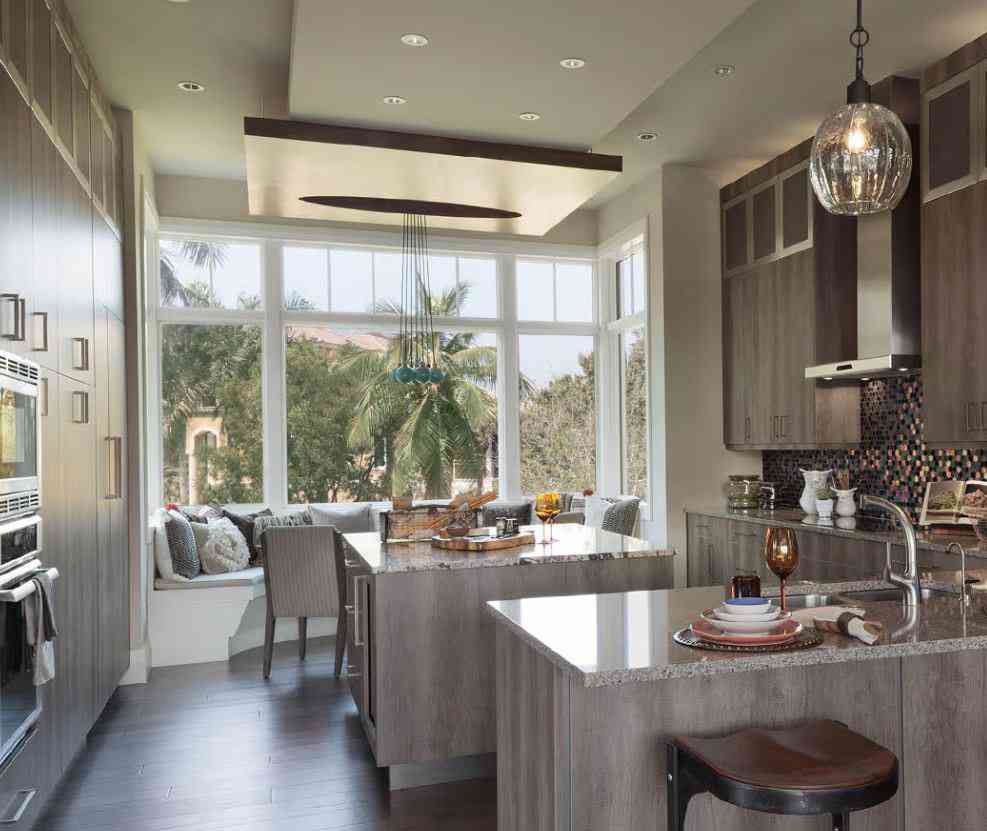
Beyond visual style, the longevity, comfort, and energy performance of your windows depend on informed technical choices and consistent maintenance. Energy Efficiency Essentials:- Low-E Glass: This coating reflects heat, keeping the home cooler in summer and warmer in winter for energy savings.
- Insulated Glazing: Double- or triple-pane units (IGUs) filled with an inert gas like argon or krypton significantly improve the window's insulating value (R-value).
- Consult Is Window Condensation Ruining Your View? Here's how to fix it for glass performance tips.
- Wood Frames
- Maintenance Level: High
- Key Tasks: Requires painting or re-staining every 3 to 7 years (depending on climate) to protect against moisture and UV damage. Routinely check and replace failing exterior caulk to prevent water intrusion.
- Vinyl (PVC) Frames
- Maintenance Level: Low
- Key Tasks: The most worry-free choice. Ensure weep holes (small drainage holes) in the exterior frame are kept clear of debris. Clean with simple soap and water to prevent dirt and mildew buildup.
- Fiberglass Frames
- Maintenance Level: Minimal
- Key Tasks: Highly stable and resists warping. Requires simple washing with mild detergent. The durable finish does not typically require repainting, though it can often be painted if desired.
- Aluminum Frames
- Maintenance Level: Minimal Structural
- Key Tasks: Regular cleaning is needed to remove dirt, salt spray, and pollutants that could compromise the anodized or painted finish. Lubricate moving hardware (tracks, cranks) annually for smooth operation.
