

The Eco-Friendly Home: Sustainable Insulation Options for a Greener Future
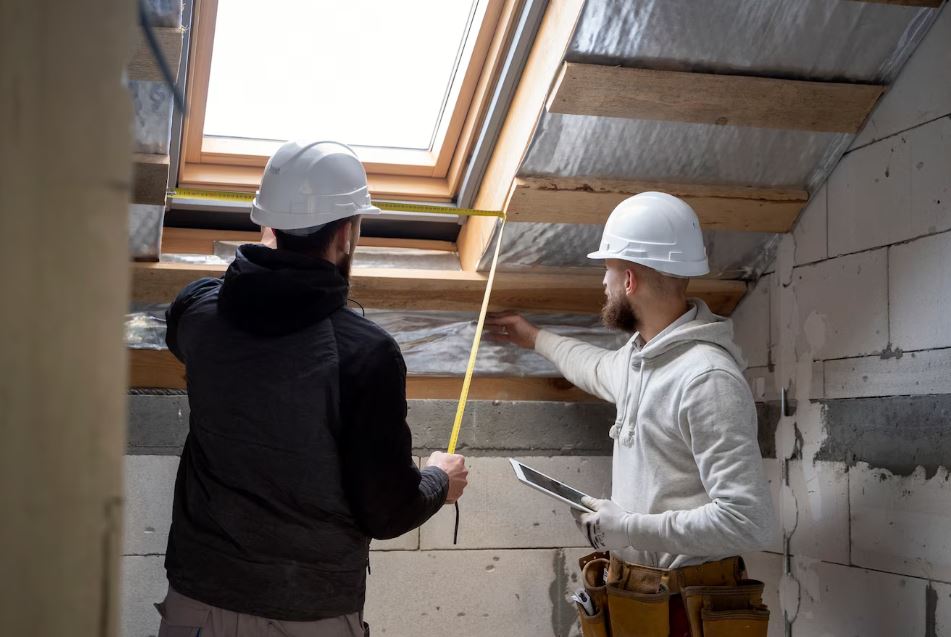
The Eco-Friendly Home: Sustainable Insulation Options for a Greener Future
In the modern quest for sustainable living, the "building envelope" has become a focal point for environmental innovation. While high-tech solar panels and smart thermostats often steal the spotlight, the most effective tool for long-term energy savings and carbon reduction is often hidden within your walls. Traditional insulation materials, though effective, frequently carry a heavy "embodied carbon" footprint or rely on petroleum-based chemicals. Today, a new generation of sustainable insulation options is redefining how we think about thermal comfort, offering a path to a greener future that prioritizes both planetary health and household efficiency.
The Intersection of Insulation and Energy Savings
The primary function of insulation is to provide thermal resistance, measured by its R-value. A higher R-value indicates a material's superior ability to resist heat flow. In an eco-friendly home, high-quality insulation acts as a passive energy system, significantly reducing the load on HVAC units. This results in direct carbon reduction; by minimizing the need for mechanical heating and cooling, sustainable insulation lowers a home’s operational greenhouse gas emissions. Furthermore, many sustainable alternatives are non-toxic and breathable, unlike traditional fiberglass or spray foams that may release volatile organic compounds (VOCs).
Top Sustainable Insulation Materials for 2026
Homeowners today have access to a diverse range of "bio-based" and recycled materials. Cellulose, the recycled workhorse, is made from approximately 75–85% recycled paper and is a champion of the circular economy. Sheep’s wool acts as nature’s thermostat, being naturally flame-retardant and capable of absorbing moisture without losing its insulating properties. Hemp is the carbon sequestration star, absorbing more CO₂ during its growth than is released during its manufacture. Finally, cork provides a sustainable shield, harvested from the bark of oak trees without harming the tree itself, making it a durable and waterproof option.
Strategic Installation: DIY vs. Professional Expertise
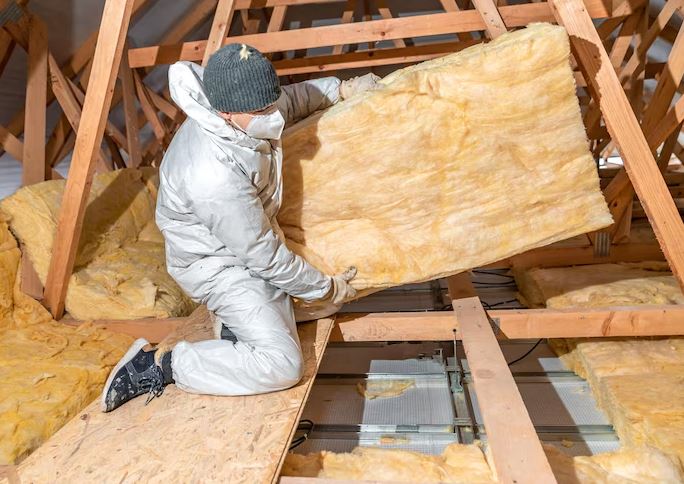
Successfully integrating these sustainable materials into a home requires a strategic approach to installation, as the physical properties of bio-based insulation differ significantly from synthetic alternatives. For the motivated DIY enthusiast, sheep’s wool and hemp batts are among the most user-friendly options. Unlike fiberglass, which requires full-body suits and respirators to prevent skin and lung irritation from glass shards, wool and hemp are safe to handle with bare hands. Installation typically involves friction-fitting the batts between wall studs, ensuring there are no gaps or compressions that could create "thermal bridges."
However, materials like cellulose and cork often demand a professional touch. Cellulose is most effective when "dense-packed" into wall cavities using specialized blowing machines. This process requires a nuanced understanding of pressure to ensure the material does not settle over time, which would leave uninsulated gaps at the top of the walls. Similarly, rigid cork boards used for exterior continuous insulation or floor underlayment require precise cutting and vapor barrier integration to maximize their waterproof benefits. Engaging a contractor who specializes in "green building" ensures that the envelope is airtight and that the specific moisture-regulating properties of these natural materials are fully utilized.
A Holistic Cost-Benefit Analysis
When evaluating the shift to sustainable insulation, homeowners must look beyond the initial price tag to understand the long-term financial landscape. It is true that the upfront cost of premium natural materials like sheep’s wool or expanded cork can be 20% to 50% higher than standard fiberglass or mineral wool. However, this initial investment is offset by a variety of economic "rebates" provided by the materials themselves. Because natural fibers like hemp and wool have superior air-sealing properties and thermal mass, they often outperform their synthetic counterparts in real-world conditions, leading to a 15% to 30% further reduction in monthly utility bills.
Beyond energy bills, the "benefit" side of the equation includes significant health and property value gains. By opting for VOC-free materials, homeowners reduce the long-term healthcare costs associated with poor indoor air quality and respiratory issues. Furthermore, as building codes trend toward stricter carbon-neutral requirements, homes equipped with high-performing, sustainable envelopes often command higher resale prices. When factoring in available federal energy tax credits and the avoided cost of future HVAC replacements, as systems run less frequently and last longer, most sustainable insulation upgrades reach a full return on investment (ROI) within five to ten years.
Performance, Maintenance, and Longevity
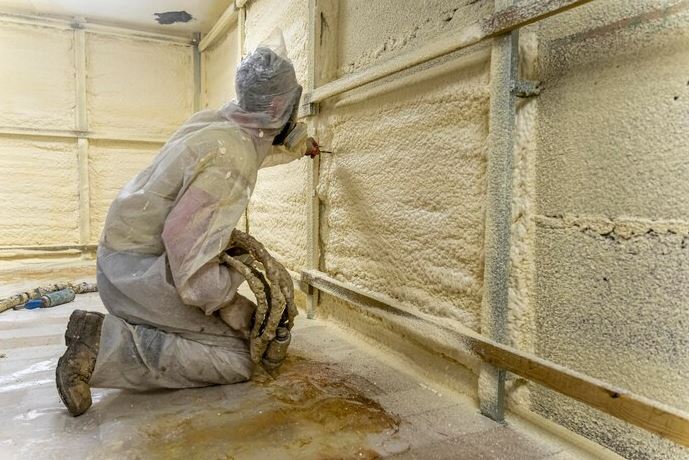
The enduring value of sustainable insulation lies in its remarkable longevity and minimal maintenance requirements. Unlike some foam-based products that can off-gas and lose their R-value over decades through a process known as "thermal drift," natural materials like cork and cellulose are incredibly stable. Cork, in particular, is virtually rot-proof and can remain functional for over fifty years without degradation. Sheep’s wool and hemp are also naturally resilient; their fibers are structurally complex and do not settle or lose loft as easily as loose-fill fiberglass, provided they are installed in a way that allows for proper vapor diffusion.
To ensure this longevity, maintenance focuses primarily on moisture management. Because these materials are "breathable," they can manage minor fluctuations in humidity, but they should never be subjected to direct liquid water from roof leaks or plumbing failures. Homeowners should conduct a periodic visual inspection of the attic or crawlspace to ensure the building’s secondary systems, like gutters and flashing, are keeping the insulation dry. When kept in a stable environment, these bio-based materials will outlast many other components of the home, remaining effective until the building is eventually decommissioned, at which point many of them can be safely composted or recycled, completing the circular lifecycle.
Emerging Trends and the Future of Eco-Insulation
As we move toward Net Zero building standards, the industry is witnessing the rise of "smart" and high-performance sustainable materials. Mycelium-based insulation, grown from fungal networks, is moving from the lab to the job site, offering a completely compostable alternative. Meanwhile, Aerogel-enhanced blankets are providing record-breaking R-values in ultra-thin formats, perfect for space-constrained urban retrofits. By comparing these metrics, homeowners can balance thermal efficiency with the specific environmental benefits, such as carbon sequestration or recycled content, that align with their sustainability goals.
Making the Green Choice
Choosing sustainable insulation is more than a home improvement project; it is a commitment to a circular economy. By selecting materials that are recycled, renewable, and energy-efficient, homeowners can create a living space that is as kind to the environment as it is to their wallets. From the initial installation to the decades of quiet, carbon-free performance that follows, sustainable insulation remains the unsung hero of the green building revolution.
Request a Quote Today. Proudly serving Arlington, Wilmington, Burlington, Sudbury, and Chelmsford, MA.
