

Beyond Glass: Exploring Unique Window Alternatives and Innovations
Beyond Glass: Exploring Unique Window Alternatives and Innovations
For centuries, the conventional glass pane has reigned supreme as the quintessential element of architectural fenestration. Its transparency allows light to flood interior spaces while offering glimpses of the outside world, making it an indispensable component in residential and commercial structures.
However, in an era of rapid technological advancement and a growing desire for aesthetic individuality, the architectural world is increasingly looking beyond ubiquitous clear glass. This deep dive explores a spectrum of unique window alternatives and groundbreaking innovations that embrace cutting-edge functionality and artistic expression.
The Limitations of the Conventional
While undeniably effective, traditional glass windows present several inherent limitations. Their static nature offers little dynamic control over light, privacy, or energy efficiency. Security concerns often necessitate additional layers, such as shutters or bars. Aesthetically, a plain glass pane can sometimes lack character, failing to contribute meaningfully to a building's design narrative.
These limitations have paved the way for a new generation of window solutions that revolutionize how we interact with our built environment. Modern homeowners are no longer settling for "standard"; they are looking for materials that work as hard as they look.
Smart Glass: The Dynamic Veil
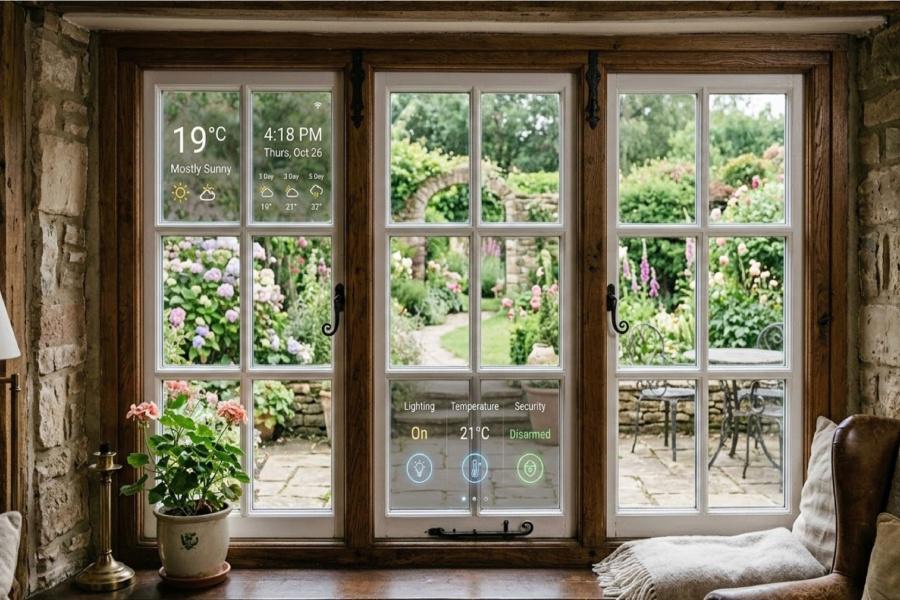
Perhaps the most impactful innovation in window technology is Smart Glass, also known as switchable or dynamic glass. This material can alter its light transmission properties on demand, transforming from transparent to translucent or even opaque with the flick of a switch.
The underlying technologies include:
Electrochromic (EC) Glass: Utilizes materials that change optical properties in response to voltage. When electricity is introduced, the glass tints to block sunlight and reduce heat gain, perfect for large westward-facing windows.
Suspended Particle Device (SPD) Glass: Contains a film with rod-like particles. When an electric field is applied, the particles align to allow light through, offering rapid switching speeds for immediate privacy.
Polymer Dispersed Liquid Crystal (PDLC) Glass: Recognized for high-level privacy, these liquid crystals scatter light when "off" to create a frosted look and align when "on" to become transparent.
In commercial buildings, smart glass manages solar heat gain to reduce HVAC costs significantly. In residential settings, it offers instant privacy without the need for dust-collecting blinds, creating sleek, minimalist interiors that feel modern and connected.

Stained Glass: A Timeless Legacy Reimagined
Stepping back from high-tech solutions, we encounter an art form that has graced homes for centuries: Stained Glass. Far from being a relic of the past, stained glass is experiencing a massive resurgence in contemporary architecture as a way to inject personality into "cookie-cutter" designs.
Modern artists are pushing boundaries with abstract geometric patterns and new techniques like the "Tiffany method" (copper foil) or fused glass. Integrating expert window sizing with stained glass installations allows for dramatic entryways that become central focal points. It creates an interior ambiance that shifts with natural light, offering privacy while casting dynamic patterns throughout the day, a feature that standard glass simply cannot replicate.
Glass Blocks: The Architect's Modular Canvas
Glass blocks bridge the gap between transparent windows and solid walls. These structural elements offer a unique combination of light transmission and insulation that is making a comeback in industrial and mid-century modern designs:
Light Diffusion: Ideal for bathrooms or basements, they obscure direct views while spreading light evenly across a room.
Thermal and Acoustic Insulation: The internal air cavity enhances energy efficiency and offers superior sound attenuation, making them ideal for homes near busy roads.
Structural Integrity: Glass blocks are self-supporting and can be used to construct entire partitions or curved walls, providing a sense of "openness" without sacrificing the strength of a solid wall.
Emerging Innovations: The Future of Fenestration
The landscape of window alternatives is continually expanding with exciting new technologies designed to solve modern environmental challenges:
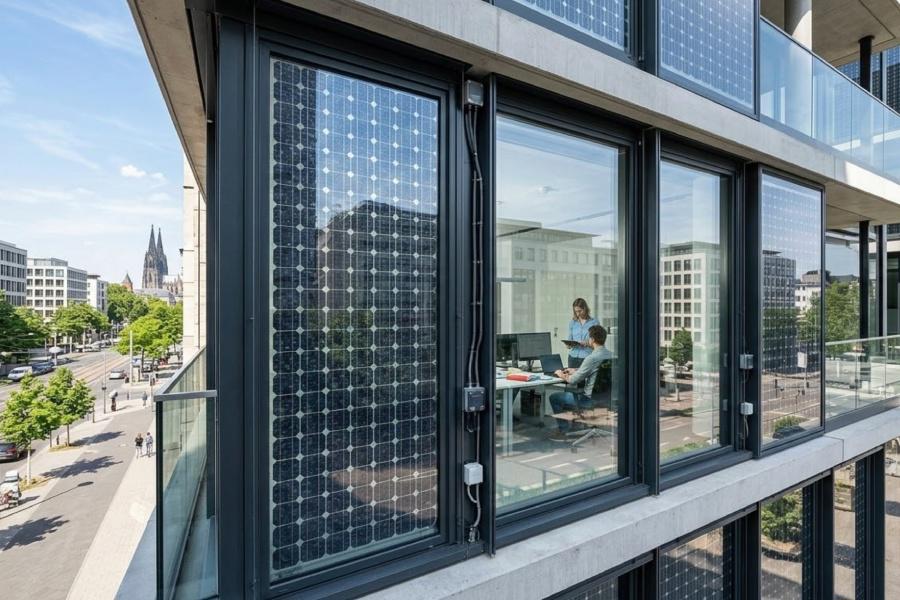
BIPV (Building Integrated Photovoltaics): These are essentially "transparent solar panels." These windows incorporate solar cells to generate electricity directly from the sunlight hitting your panes.
Aerogel-Filled Windows: Utilizing "frozen smoke" (aerogel) to create extremely energy-efficient units. These offer unparalleled R-values, making them perfect for the harsh New England winters.
Self-Cleaning Glass: Features photocatalytic coatings that use UV light to break down organic dirt, which then washes away with rain. This is a game-changer for hard-to-reach second-story windows.
Vacuum Insulated Glass (VIG): By creating a vacuum between two panes of glass, manufacturers can achieve the insulation of a triple-pane window with the thickness and weight of a single pane.
Choosing the Right Path for Your Home
The evolution of windows is a testament to the quest for comfort and efficiency. From the ancient artistry of stained glass to the sophisticated intelligence of smart glass, homeowners now have more choices than ever to enhance their building's character and performance. When choosing an alternative, consider your primary goal: Is it energy savings, aesthetic flair, or maintenance-free living? Often, the best solution involves a mix of these technologies tailored to different sides of your home. Ready to redefine your home's view? Whether you are interested in high-performance glass or traditional craftsmanship, the experts at Arlington Coal & Lumber Company are here to help. From selecting the right energy-efficient frames tocustom building materials, we bring next-level impact to your project. Request a Quote Today. Proudly serving Arlington, Wilmington, Burlington, Sudbury, and Chelmsford, MA.