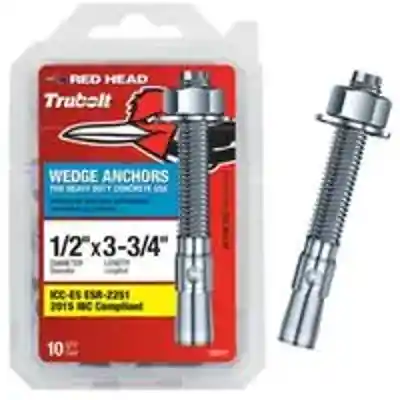
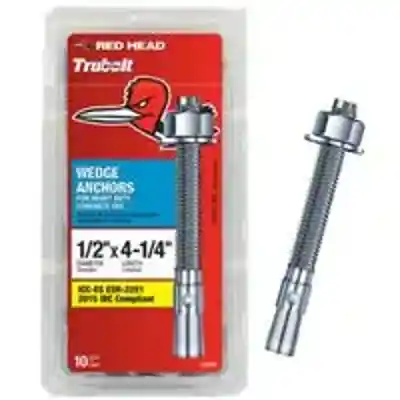
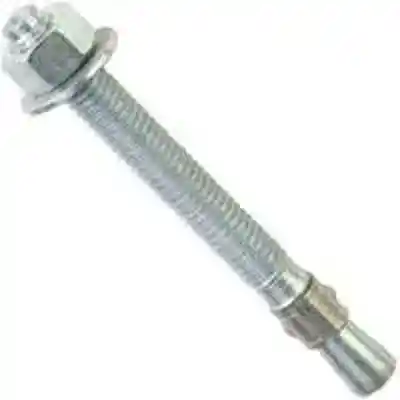
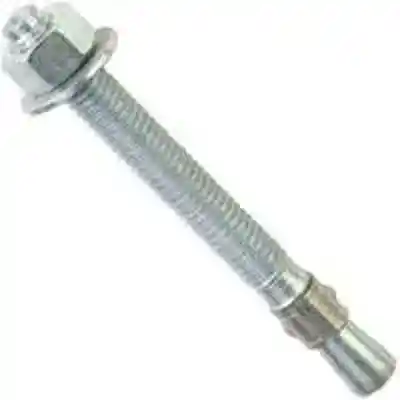
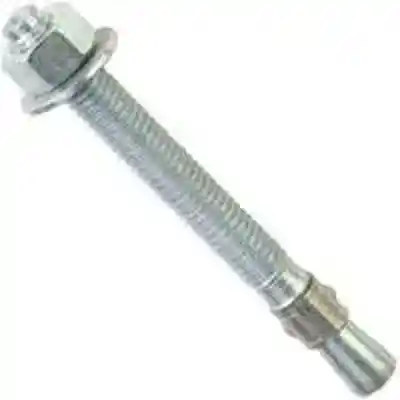
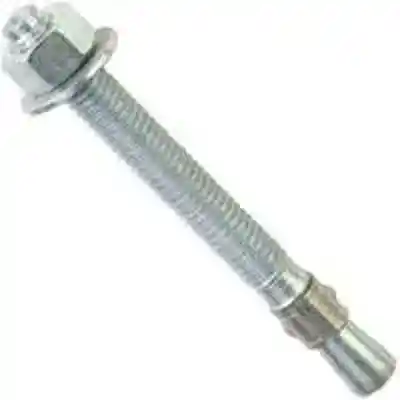
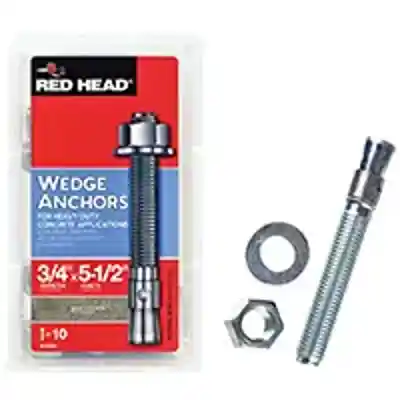
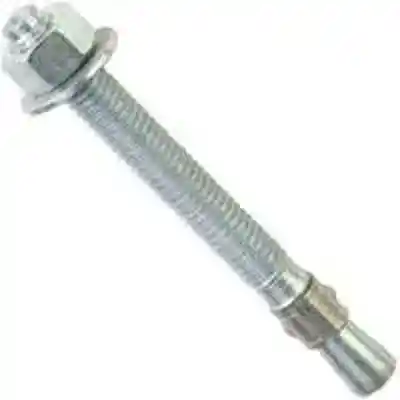
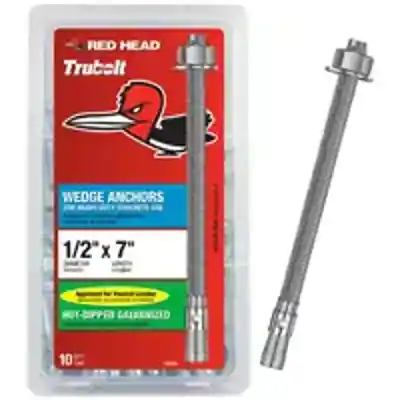
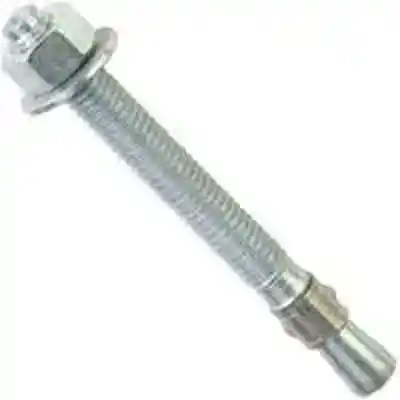
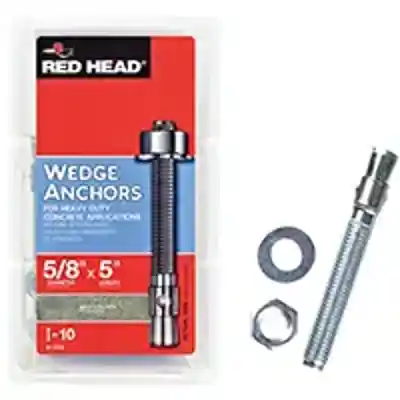
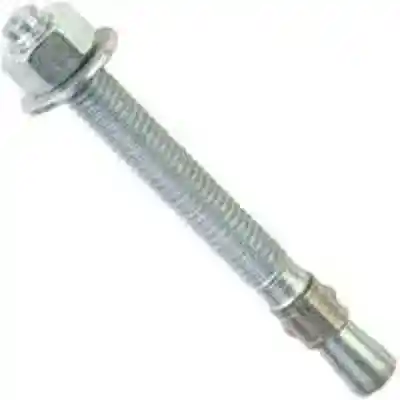
Fastening wood or steel to concrete takes an anchor that matches the load, the concrete, and the weather it will face. This anchor bolts category covers the main types: cast-in bolts for new foundations, wedge anchors for cured slabs, and drop-ins and adhesive for overhead or flush work. Products include Red Head wedge anchors in 3/8-in x 3-in and 3-3/4-in, 1/2-in x 3-3/4-in, 4-1/4-in, and 5-1/2-in, and 5/8-in x 5-in and 6-in.
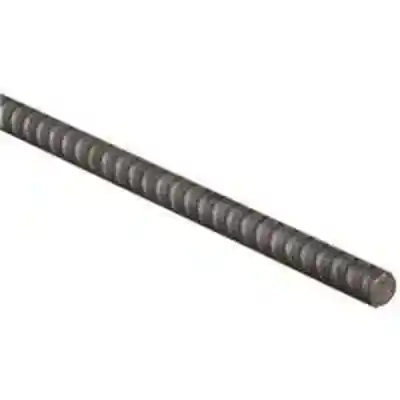
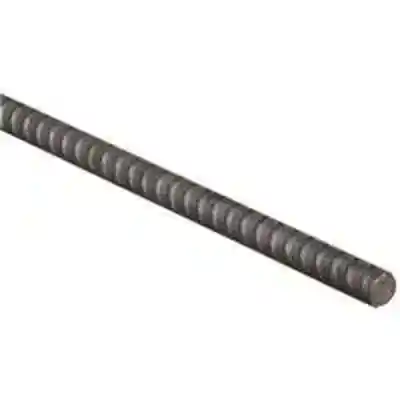
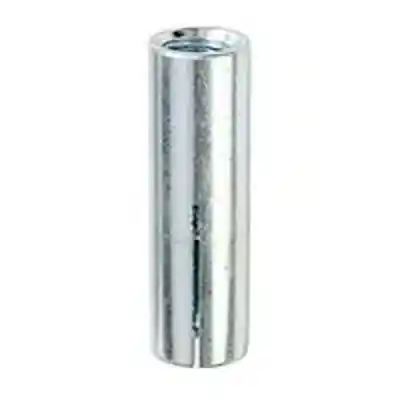
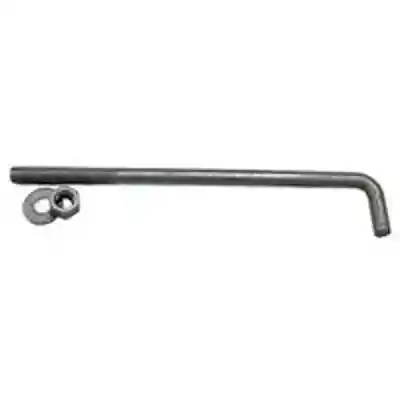
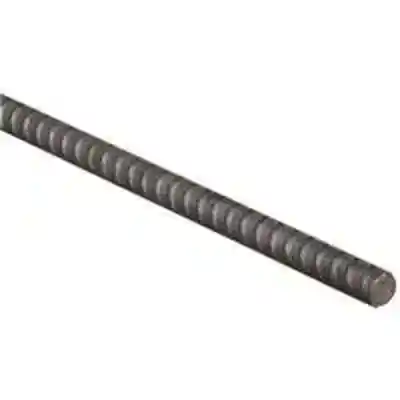
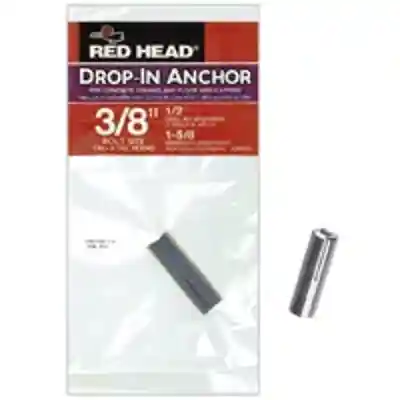
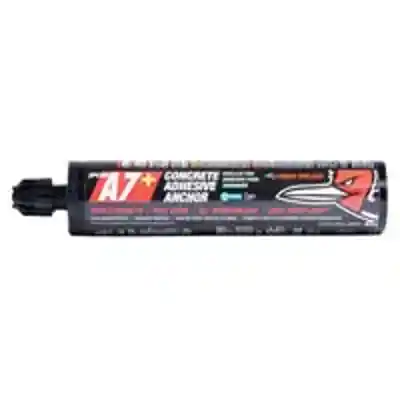
The range adds hot-dip galvanized Red Head wedge anchors in 1/2-in x 5-1/2-in and 7-in, a 3/4-in x 5-1/2-in wedge anchor, a 1/2-in x 12-in hot-dip galvanized anchor bolt with hex nut and washer, 3/8-in and 1/2-in drop-in anchors, 1/4-in masonry hammer anchors, #4 rebar pins in 2-ft, 4-ft, and 10-ft lengths, and a 10-oz gray epoxy adhesive with nozzle. Typical items in the family, such as sleeve anchors and threaded rod, can be quoted on request. Contractors in Greater Boston, Massachusetts, New Hampshire, and the surrounding New England region use
Arlcoal.com as their local building supplies source for concrete hardware.
We are your best partner in bringing your dream project to life by providing best material estimates with our friendly locations close to you from
Arlington Coal and Lumber Company,
Burlington Lumber Company,
Wilmington Builders Supply,
Sudbury Lumber Company,
Chelmsford Lumber Company, and
Hudson Lumber Company. Compare diameters in our
online product catalog,
contact us with the load and base material, or
create an account online for job pricing.
Cast-in anchor bolts are best for new foundations, because they are set while the concrete is wet and hold sill plates down. Their limit is timing: they cannot be added after the pour. Wedge anchors are best for bolting ledgers, post bases, and machinery to cured, solid concrete. They are not made for hollow block or brick. Drop-in anchors are best for hanging threaded rod from a concrete ceiling, since they sit flush, but they need a setting tool. Adhesive anchoring with the 10-oz epoxy suits rebar dowels and threaded rod near edges or in damp holes. Its limit is cure time before loading. Zinc-plated anchors suit dry interiors; hot-dip galvanized ones are the choice for outdoor work.
Buyers guide: builders bolting into concrete usually want answers to the anchor questions below.
- What size and spacing of anchor bolts hold a sill plate down? Under IRC R403.1.6, at least 1/2-in bolts no more than 6-ft apart, embedded 7-in into the concrete, with at least two bolts per plate section and one within 12-in of each end. Massachusetts and New Hampshire codes are IRC-based, but confirm with your local building department.
- What size hole do I drill for a wedge anchor? The same diameter as the anchor, using a carbide bit, so a 1/2-in anchor goes in a 1/2-in hole. Drill at least 1/4-in deeper than the embedment and blow the hole clean before driving.
- How deep does a 1/2-in wedge anchor need to go? At least 2-1/2-in for a 1/2-in Trubolt and about 2-in for a 3/8-in anchor, per Red Head's installation data. Deeper embedment carries more load, so pick a length that leaves room for the fixture plus the nut and washer.
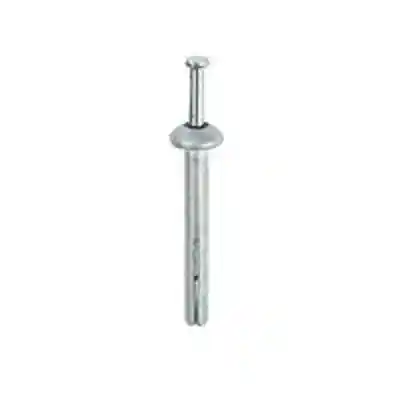
- Wedge anchor or drop-in anchor: which should I use? Use a drop-in when you need a flush, internally threaded socket, such as hanging threaded rod from a concrete ceiling. A wedge anchor goes through the fixture with the stud left sticking out.
- Can I use wedge anchors in cinder block or brick? They are not made for hollow block. Trubolt wedge anchors are rated for solid concrete, so use a sleeve anchor, a concrete screw, or an adhesive anchor with a screen in hollow block.
- Should I buy hot-dip galvanized anchors for outdoors? Yes, for exterior or damp locations. Hot-dip galvanizing gives much more corrosion protection than standard zinc plating, which is meant for dry interiors.
- How tight should I tighten a wedge anchor nut? To the torque listed in the installation instructions for that diameter. Tightening the nut is what sets the wedge, so stop at the listed torque.
- What is a #4 rebar pin? A 1/2-in diameter steel bar, since rebar numbers count eighths of an inch. Pins dowel new concrete into existing footings or stake forms, and doweling into structural concrete usually follows an engineer's or code detail.
Popular anchor ideas and applications:
- New foundations: cast-in 1/2-in x 12-in anchor bolts tie the sill plate to the wall as the concrete is placed.
- Deck ledgers on concrete walls: wedge anchors through the ledger into solid concrete, with hot-dip galvanized anchors outdoors.
- Basement lally columns and post bases: wedge anchors fix steel bases to the slab.
- Overhead hangers: drop-in anchors take threaded rod for ductwork, pipe hangers, and garage storage racks.
- Slab additions: #4 rebar pins set in epoxy adhesive dowel a new slab or footing into existing concrete.
We also offer a wide selection of
concrete and masonry anchors, including
Ramset powder-actuated pins and loads for fast sill and track fastening and
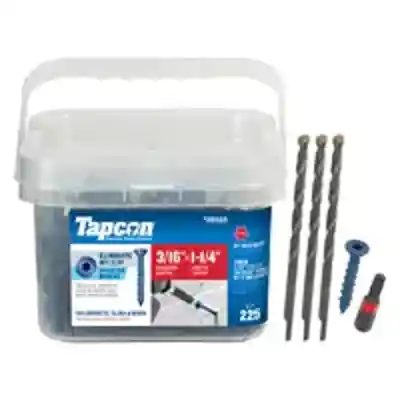
Tapcon concrete screws and bits for lighter fixtures, and many more. Pair anchors with
Simpson post bases and caps,
concrete forming accessories, and
Sakrete concrete mixes for small pours.
Complete your concrete work with our complete building products in stock, from structural
building materials and reliable
fasteners to essential
hardware. Our local lumberyard stocks
lumber, composites, and plywood and
moulding and millwork, and so much more. Browse
all product categories, or call with your foundation detail and we will match the anchors.