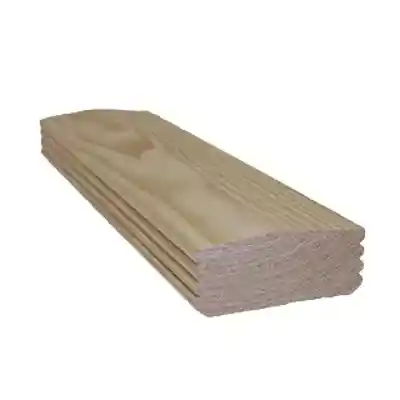
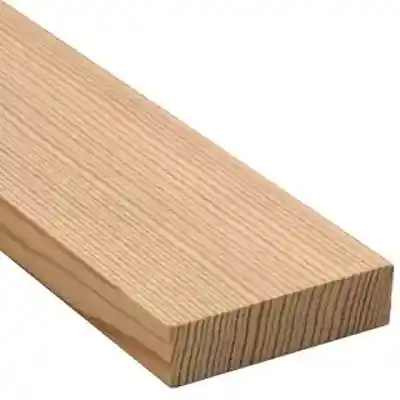
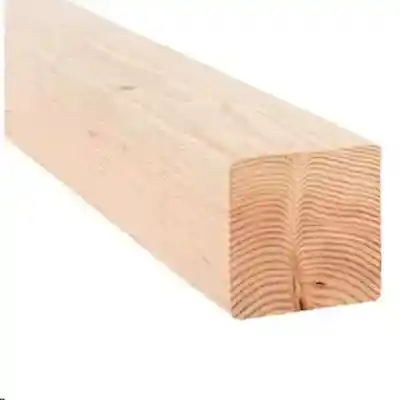
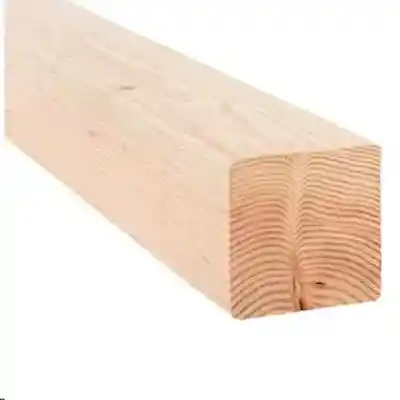
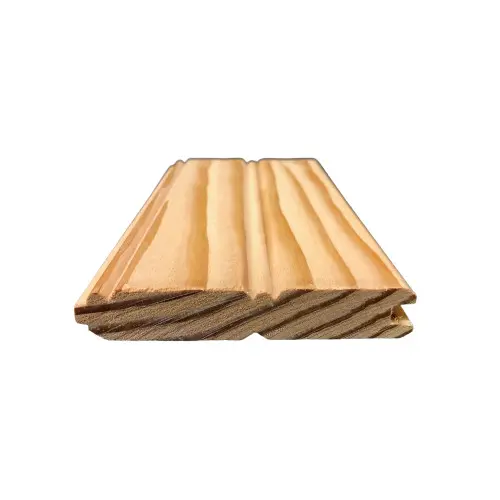
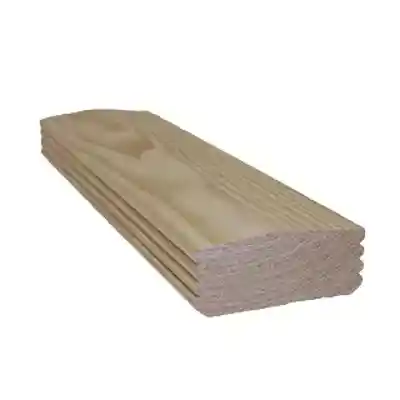
Selecting the right Douglas fir softwood is crucial for the structural integrity of any project, and
Arlcoal.com is here to guide you through the selection process. Known for its tight grain and remarkable stability, Douglas fir is the go-to softwood for beams, joists, and rafters that need to withstand the elements in Greater Boston and beyond.
As your premier home improvement store and local lumberyard,
Arlington Coal and Lumber Company ensures that you have access to top-tier products tailored to your specific needs. We are your best partner in bringing your dream project to life by providing best material estimates with our friendly locations close to you from
Arlington Coal and Lumber Company,
Burlington Lumber Company,
Wilmington Builders Supply,
Sudbury Lumber Company,
Chelmsford Lumber Company, and
Hudson Lumber Company. To get started on your estimate or to learn more about our local building supplies, feel free to
contact us and let our experienced team serve your needs across Massachusetts and New Hampshire.
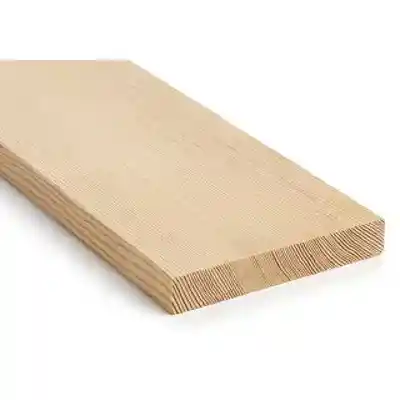
Understanding Douglas Fir Softwood: Douglas fir softwood products are the workhorses of the North American building industry. While technically a softwood, Douglas fir possesses a strength-to-weight ratio that rivals many hardwoods. This material is prized for its dimensional stability, meaning it is less likely to warp or twist as it reaches equilibrium moisture content compared to spruce or pine.
When you browse our
online product catalog, you will find Douglas fir categorized by its superior stiffness and high modulus of elasticity. This makes it ideal for heavy structural applications where long spans and heavy loads are required. Its dense fiber structure also allows for excellent nail-holding power and resistance to mechanical wear, which is essential for the variable climate of the New England region.
Buyers Guide: Make your selection with confidence. Whether you are a professional contractor in Massachusetts or a homeowner in New Hampshire, choosing the right material is the first step toward a successful build. This Buyers Guide provides the technical insights and practical advice you need to ensure your project thrives in the New England climate.
- How does Douglas fir compare to cedar in terms of rot resistance? While Douglas fir is more durable than many other softwoods, it does not naturally match the rot resistance of red cedar. Cedar contains high concentrations of natural oils and tannins that repel decay-causing fungi. Douglas fir is better suited for structural framing, while cedar is often preferred for exterior siding and shingles.
- Is it strong enough for structural beams and load-bearing posts? Absolutely. Douglas fir has the highest strength-to-weight ratio of any North American softwood. It is the industry standard for structural beams, load-bearing posts, and complex timber framing.
- Does Douglas fir warp, twist, or crack as it dries? Douglas fir is exceptionally stable. While all wood "checks" (minor surface cracks) as it seasons, it is far less prone to the dramatic warping or twisting seen in lesser species. This reliability is why professionals choose it for precise framing.
- Can it be used outdoors without pressure treatment? For "above-ground" applications like porch rafters, Douglas fir can last quite well if painted or stained. However, for direct ground contact or constant exposure to moisture, pressure treated wood is recommended to ensure longevity.
- What is the difference between Clear Vertical Grain (CVG) and standard construction grades? CVG Douglas fir is the highest aesthetic grade, featuring straight, parallel grain lines and no knots. It is used for fine cabinetry and flooring. Standard construction grades are designed for structural capacity and may contain knots or varied grain patterns.
- Does it take stain and paint evenly, or does it bleed resin? Douglas fir takes stain very well, often highlighting its beautiful, wavy grain. While it can contain resin pockets, kiln-dried Douglas fir from a reputable local lumber store is processed to minimize "bleeding," allowing for a professional finish.
- Why does the wood turn pink or orange over time? Douglas fir has a natural light-brown to reddish-orange hue. When exposed to UV light, it undergoes a natural oxidation process that deepens these warm tones, giving the wood a rich, aged character.
- Is it more expensive than pine or spruce? Yes, typically. Douglas fir is a premium product. While the initial cost is higher than spruce-pine-fir (SPF) lumber, its strength allows for longer spans and fewer supports, often balancing the total cost of construction. You can sign-up for an account to see current pricing for your project.
- Is it naturally resistant to termites and insects? Douglas fir has moderate natural resistance due to its density, but it is not completely immune. In areas with high insect activity, proper site management or treated lumber should be utilized.
Beyond Douglas fir, our
local building supply locations stock a massive inventory of
softwood lumber and boards to help you complete every phase of your build. This includes:
- Douglas Fir: The premier choice for structural framing and high-strength beams.
- Pine Boards: Ideal for interior trim, shelving, and lightweight finish work.
- Red Cedar: Naturally decay-resistant, making it perfect for decks, fences, and siding.
- All product categories: We also offer specialty softwoods for unique architectural details.
You can also shop for other
lumber and composites to ensure your project has the right materials from the foundation to the roof. Our inventory includes
dimensional lumber for general framing,
engineered lumber for complex floor systems, and
fire treated wood for safety-critical zones. We also stock
hardwood for fine finishes,
plywood for sheathing, and
trimboards to add the final decorative touch. Whatever your project requires,
create an account online today to access the best materials in the New England region.