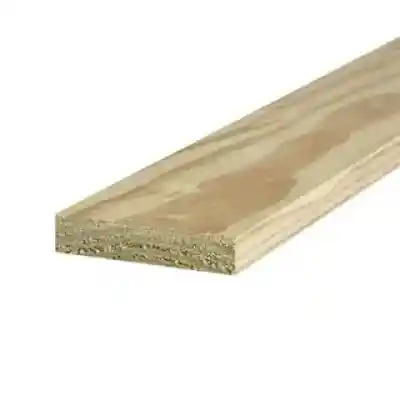
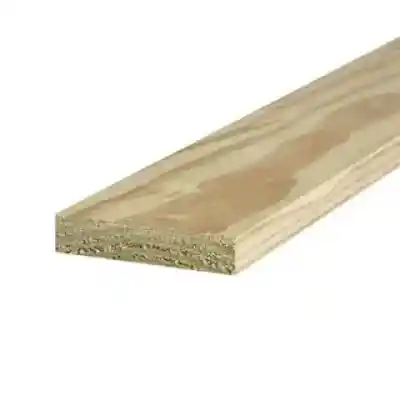
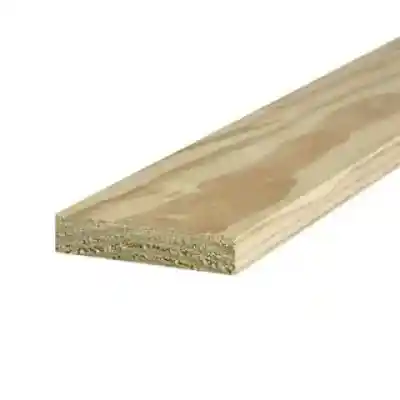
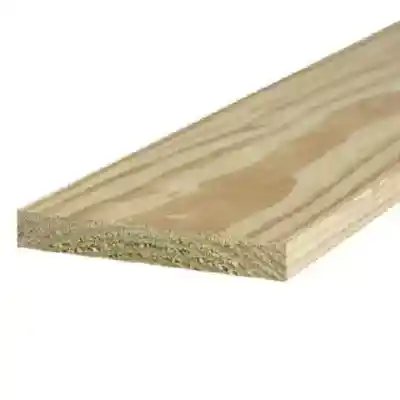
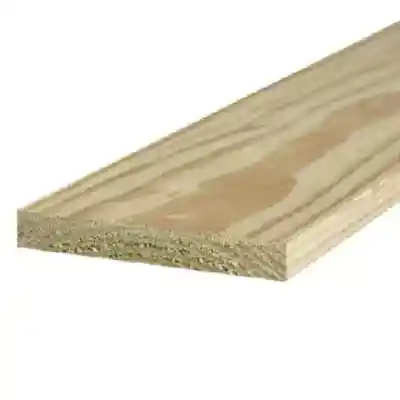
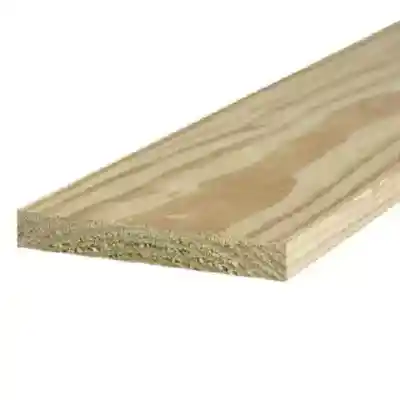
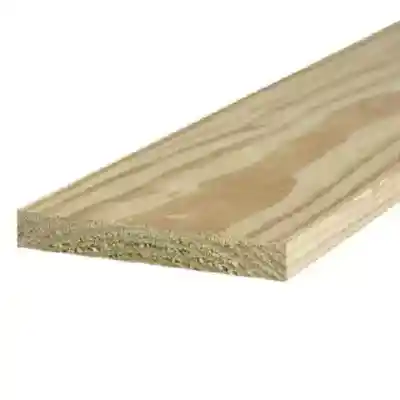
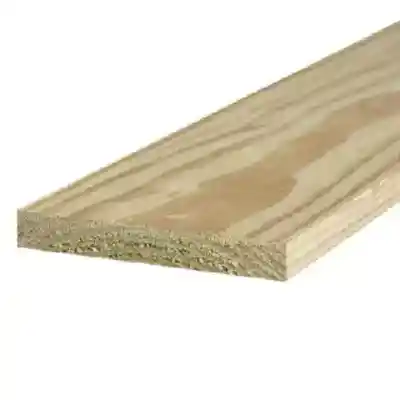
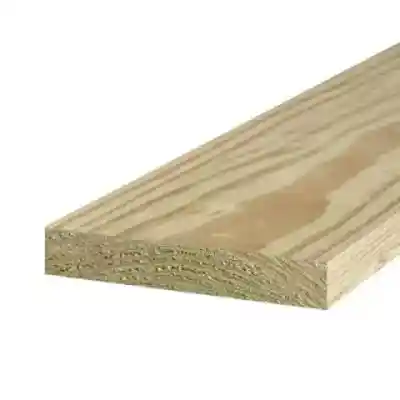
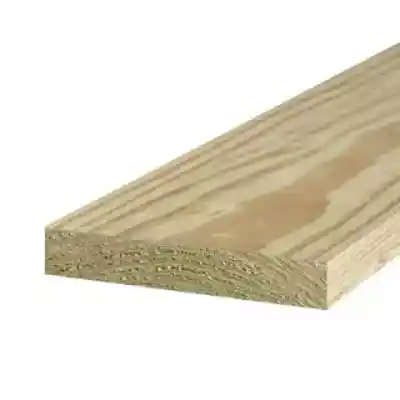
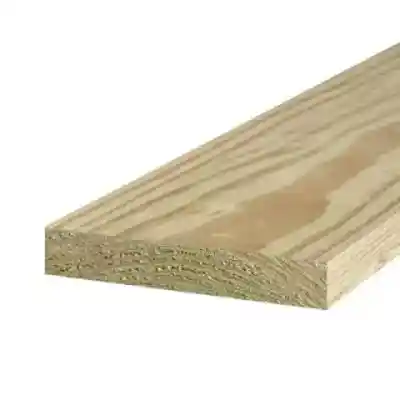
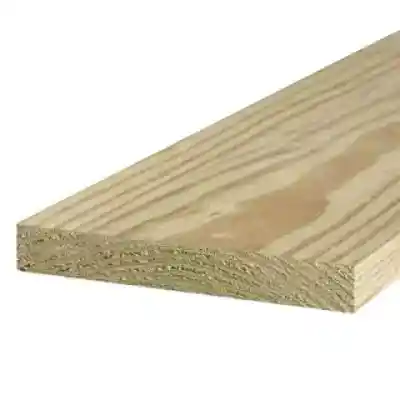
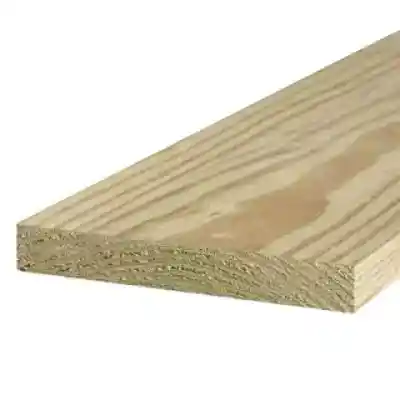
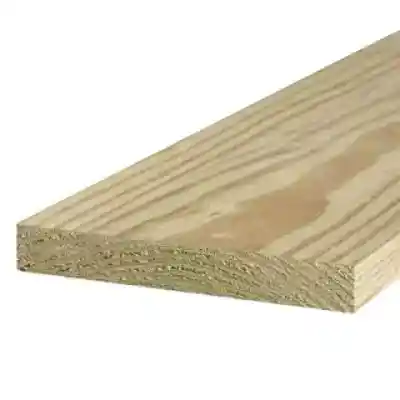
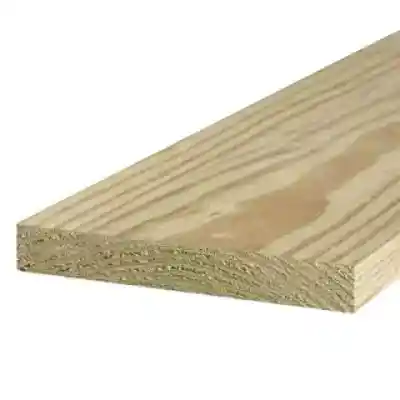
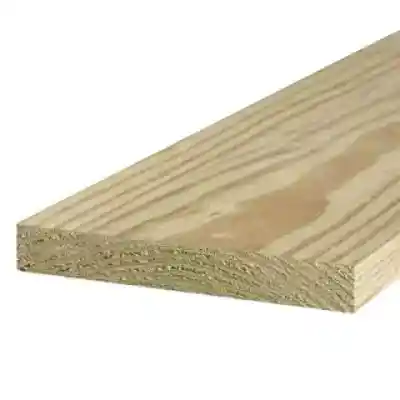
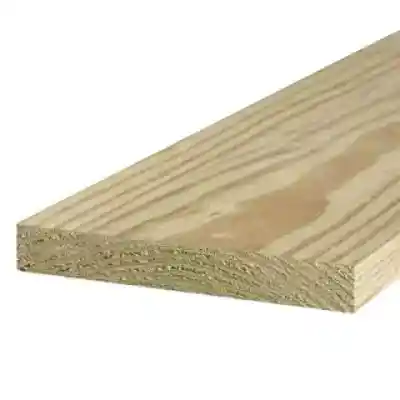
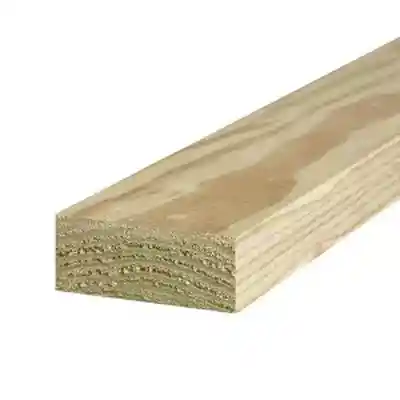
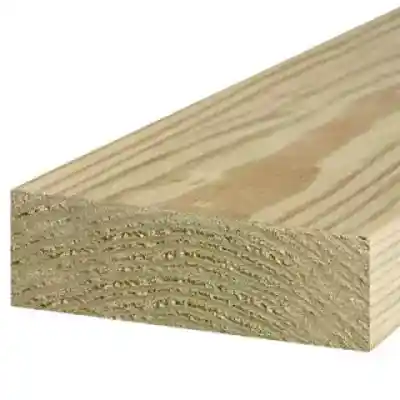
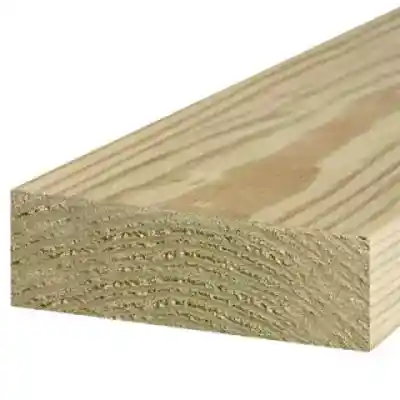
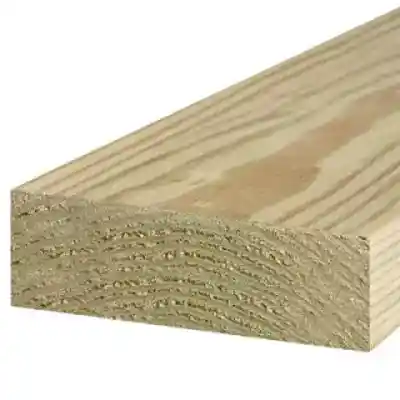
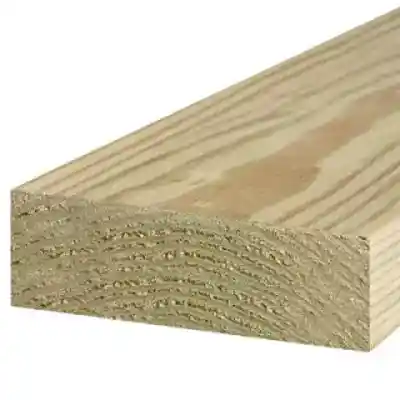
Searching for top quality treated framing lumber and boards for your next project? Look no further than
Arlington Coal and Lumber Company (
Arlcoal.com), your trusted local building supply partner serving Greater Boston, Massachusetts, New Hampshire, and the surrounding New England region. We are your one-stop shop for robust and reliable materials, offering a wide selection of top-quality
pressure treated wood designed to withstand the elements. Our comprehensive inventory includes everything you need for decks, railings, and structural work, such as
treated decking,
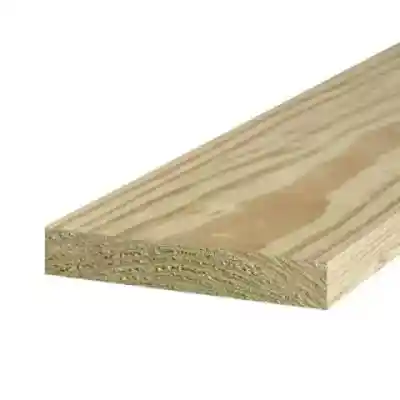
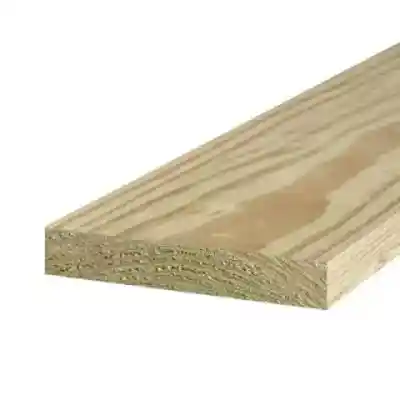
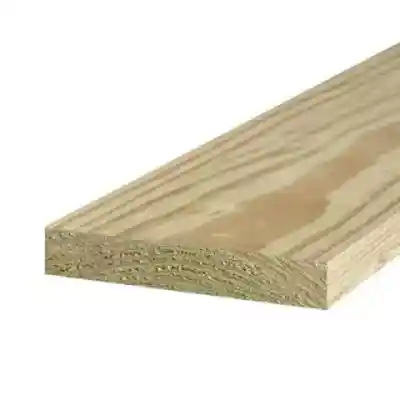
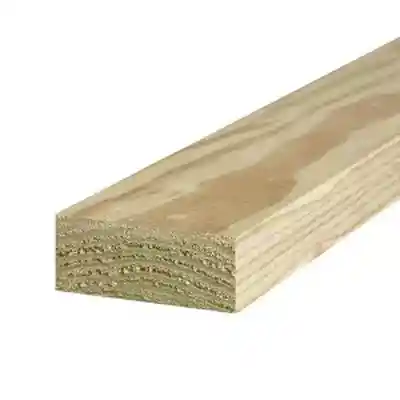
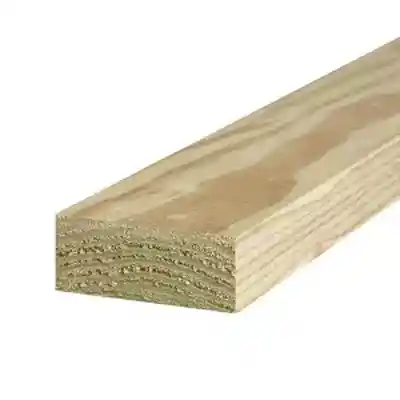
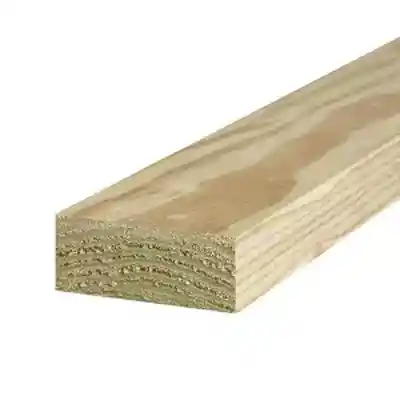
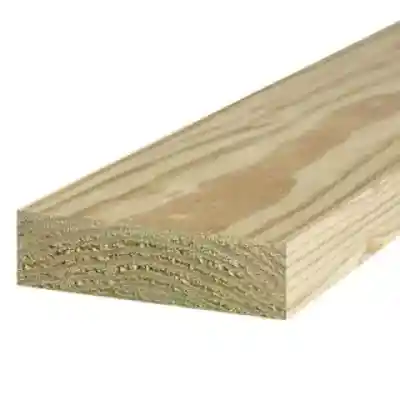
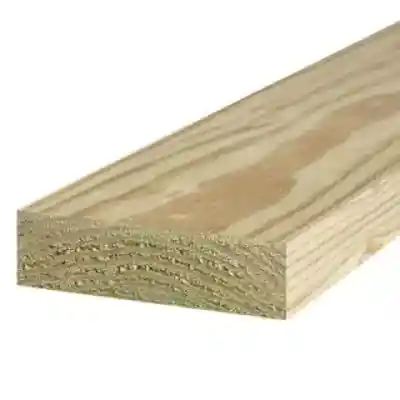
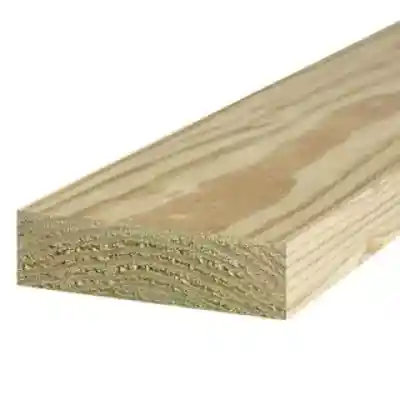
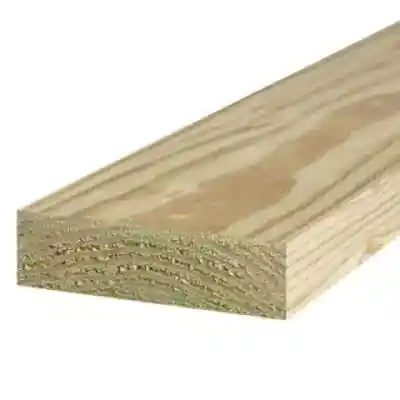
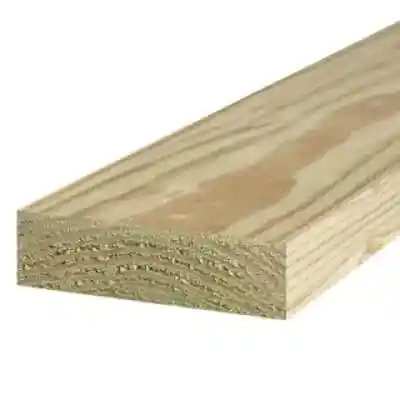
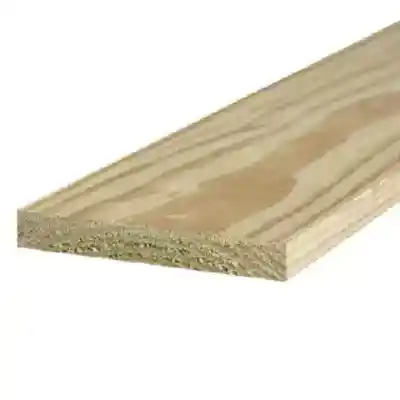
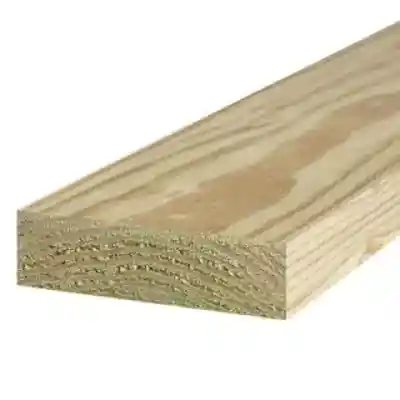
treated framing lumber and boards,
dimensional lumber,
treated posts,
stringers and balusters,
treated plywood, and even
plywood and lattice. We are your best partner in bringing your dream project to life by providing best material estimates with our friendly locations close to you from
Arlington Coal and Lumber Company,
Burlington Lumber Company,
Wilmington Builders Supply,
Sudbury Lumber Company,
Chelmsford Lumber Company, and
Hudson Lumber Company.
What is treated framing lumber and boards? Treated framing lumber and boards are construction-grade wood products that have been infused with chemical preservatives using a high-pressure process. This process forces the preservatives deep into the wood fibers, creating a durable material that is highly resistant to rot, fungal decay, and insect damage. This makes it the only acceptable choice for any wood used in contact with the ground, concrete, or in permanently moist environments.
Is treated wood good for framing? Yes, treated wood is excellent for framing, particularly in applications where the wood is exposed to moisture or weather, such as decks, porches, or structural components near the ground. Building codes often require the use of pressure-treated lumber for any wood component that is in direct contact with concrete or the soil. Using it prevents premature structural failure and significantly extends the life of your project. For interior framing not subject to moisture, standard dimensional lumber is typically used, but the enhanced durability of treated lumber is a significant benefit for exterior projects. Visit your local lumber store, like
Wilmington Builders Supply, to see the available options for your specific project.
What type of lumber is best for framing? The best type of lumber for framing largely depends on the specific use and location:
- For Exterior or Ground Contact: Pressure-treated lumber (often southern yellow pine treated with an appropriate preservative) is the best choice due to its superior resistance to decay and insects. Ensure you select the correct treatment retention level (e.g., .40 pcf for ground contact).
- For Interior Walls and Structure (non-treated): Douglas Fir, Hem-Fir, or Spruce-Pine-Fir (SPF) are commonly used for general interior framing. These species are strong, straight, and cost-effective, providing reliable structural support.
When choosing framing lumber, always look for the grade stamp to ensure it meets structural requirements, and source from a reputable local building supplies provider like
Arlington Coal and Lumber Company.
How long will treated wood last? Properly installed, quality pressure-treated wood is designed to last for a long time- typically 20 to 50 years or even longer, depending on the level of treatment, environmental conditions, and maintenance. Lumber for ground contact applications has a higher chemical retention and will last significantly longer than lumber rated for above-ground use. Regular inspection and sealing can also extend its lifespan. For detailed advice on selecting the right treatment level for longevity,
contact us today.
Modern residential pressure-treated wood primarily uses micronized copper azole (MCA) or alkaline copper quaternary (ACQ). These treatments replaced the older CCA (chromated copper arsenate) for residential use. Both MCA and ACQ provide excellent protection against decay and termites. However, because they contain copper, these treatments can be corrosive to standard fasteners. Always ensure you use hot-dip galvanized or stainless steel fasteners to prevent premature corrosion and structural failure.
Should I use 2x4 or 2x6 for framing? The decision between using 2x4 or 2x6 lumber for framing depends on structural requirements, insulation needs, and load-bearing capacity:
- 2x4 (approx. 1.5-in by 3.5-in actual size): Often used for non-load-bearing interior walls and smaller structural elements.
- 2x6 (approx. 1.5-in by 5.5-in actual size): Recommended for load-bearing walls, exterior walls (as the extra 2-inches allows for R-19 or R-21 insulation instead of R-13/R-15), and where a stronger, more rigid structure is required, such as a large deck frame. Using 2x6 provides increased stability and better thermal performance.
Your local
Sudbury Lumber Company can help you calculate the correct dimensions needed for your project's specifications.
How long will framing lumber last outside? Standard, untreated framing lumber (like basic dimensional lumber) used outdoors and exposed to the elements will deteriorate quickly- often within 5 to 10 years, and sometimes much sooner if in direct contact with the ground or subject to constant moisture. It is highly susceptible to mold, rot, and insect damage. This is why it is critical to use pressure-treated framing lumber and boards for any outdoor or exposed structural applications. For a wide selection of durable exterior materials, visit
Arlcoal.com or one of our friendly locations like
Chelmsford Lumber Company. If you have any questions about specifications or material estimates, please
contact us today.