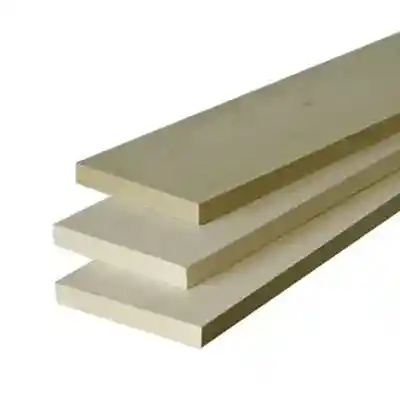
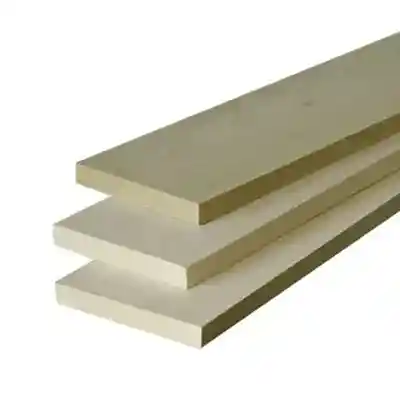
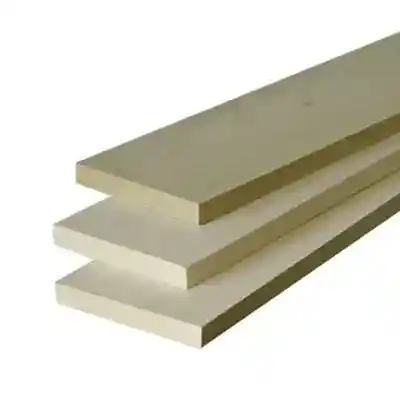
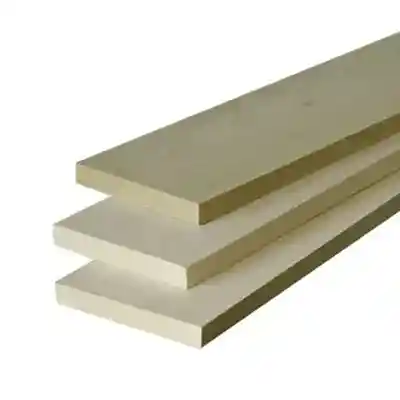
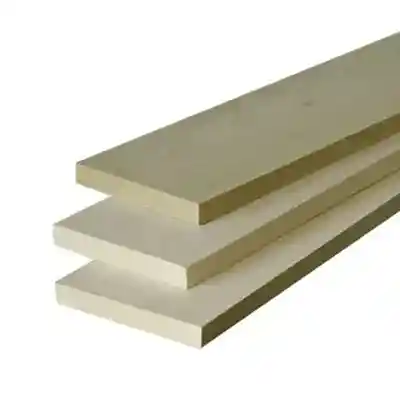
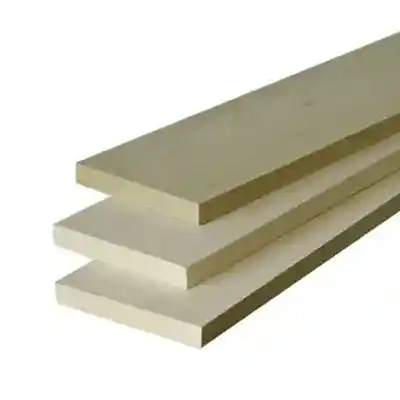
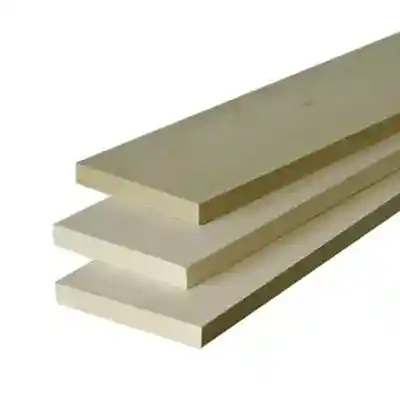
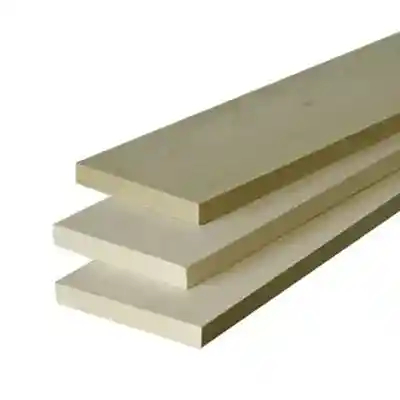
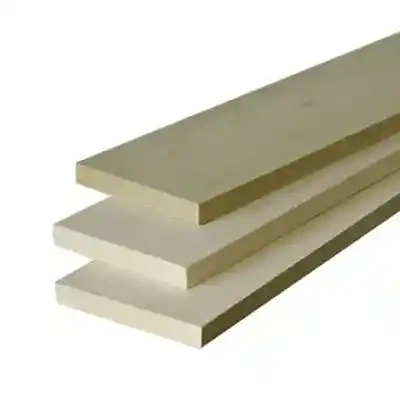
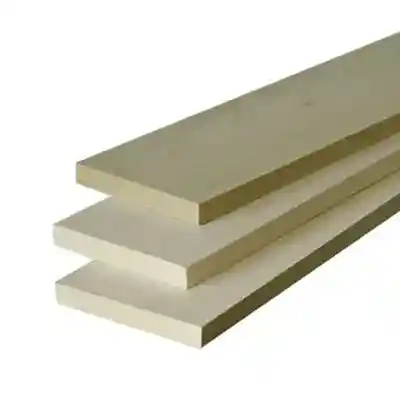
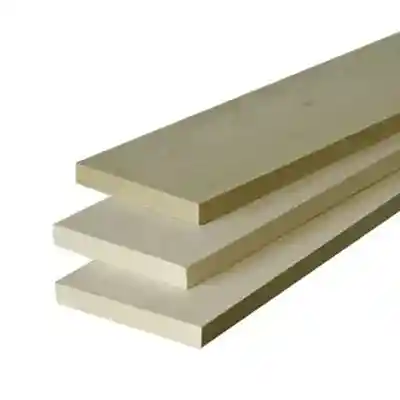
Achieve a flawless finish when you find quality poplar boards for your projects at
Arlington Coal and Lumber. As a leading
home improvement store, we provide a massive variety of
products tailored for the unique construction needs of the Greater Boston, Massachusetts, New Hampshire, and surrounding New England region. Understanding poplar boards helps buyers decide on the best material for paint-grade applications, as this wood offers a smooth surface and excellent stability.
We are your best partner in bringing your dream project to life by providing best material estimates with our friendly locations close to you from
Arlington Coal and Lumber Company,
Burlington Lumber Company,
Wilmington Builders Supply,
Sudbury Lumber Company,
Chelmsford Lumber Company, and
Hudson Lumber Company. Our
local lumberyard makes it easy to browse our wide selections of high-quality
hardwood including:
mahogany boards,
poplar boards,
red oak boards,
white oak boards, and many more. If you are ready to start your next interior project,
contact us at
Arlcoal.com to secure the best stock in the area.
Understanding what poplar lumber and boards mean is the first step for any woodworker. Poplar lumber and boards are sourced from the tulip tree (Liriodendron tulipifera). Despite being classified as a hardwood, poplar is relatively soft and easy to work with, making it a favorite for secondary wood applications. It typically features a creamy white to yellowish-brown heartwood, often accented with mineral streaks of green, purple, or even black. Because it lacks a prominent grain pattern and resists sap bleeding, it is widely considered the industry standard for high-end painted trim and cabinetry.
When selecting hardwoods at a
local lumber store, the Janka hardness test is one of the most important metrics to consider. This test measures the force required to embed a 0.444-in steel ball halfway into the wood. For poplar (specifically Yellow Poplar), the Janka rating typically falls around 540 lbf (pounds-force):
- Poplar (540 lbf): Harder than Eastern White Pine (380 lbf) but significantly softer than Red Oak (1,290 lbf).
- Workability: Because of this mid-range hardness, poplar is exceptionally easy to machine. It resists splitting when nailing or screwing near edges, which is a major advantage for intricate trim work.
- Weight and Stability: Poplar has an average dried weight of approximately 29 lbs/ft³. This lightweight nature makes it easier to handle on-site without sacrificing structural stability. It has a low shrinkage coefficient, meaning once it is acclimated, it is unlikely to warp.
Buyer's Guide: Before you
create an account online or visit our
local building supplies outlet, review these common questions to ensure poplar is the right fit for your build.
- What are poplar boards good for? Poplar boards are primarily used for interior projects where the wood will be painted. Common applications include baseboards, crown molding, window casing, and cabinet face frames. Its stability ensures that joints stay tight even with New England's seasonal humidity shifts.
- What kind of wood is poplar board? Poplar is a utility hardwood. While it is technically a deciduous hardwood, its Janka hardness rating is lower than oak or maple. This makes it easier to cut, rout, and sand, which speeds up production for professional installers.
- What is poplar mostly used for? Beyond architectural trim, poplar is used for internal furniture components like drawer sides and web frames. It is also popular for making toys, crates, and turned objects because it rarely splinters.
- Which is better, pine or poplar? For painting, poplar is superior to pine. Pine contains knots and resins that can bleed through paint over time. Poplar is a clearer wood with a more uniform density, providing a smoother finish for your all product categories needs.
- Is poplar good for plywood? Yes, poplar is an excellent core material for plywood. Poplar-core plywood is lighter than birch but offers great screw-holding power and flat stability, making it ideal for large cabinet boxes.
- Can poplar be stained? While poplar is best known for painting, it can be stained. However, it tends to absorb stain blotchily. We recommend using a pre-stain wood conditioner if you are trying to mimic the look of darker woods like cherry or walnut.
Whether you need a single 1-in x 6-in board or a bulk order for a multi-family development, we are ready to assist. You can
sign-up today to manage your project lists and receive accurate material estimates. At
Arlington Coal and Lumber, we pride ourselves on being the most reliable
local building supply for contractors and homeowners alike. You can also browse our wide selections of high-quality
Lumber and Plywood and
more products including:
Engineered Lumber,
TimberStrand LSL,
Joists,
TJI Joists,
Hardwood,
Plywood,
Pressure Treated,
Dimensional,
Stringers & Balusters,
Softwood,
Trimboards, and many more.