If you are looking for a reliable
one-stop shop for your building needs, you can find
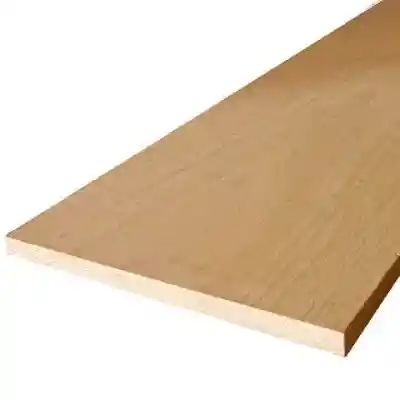
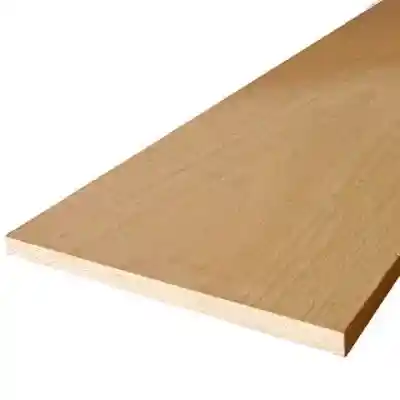
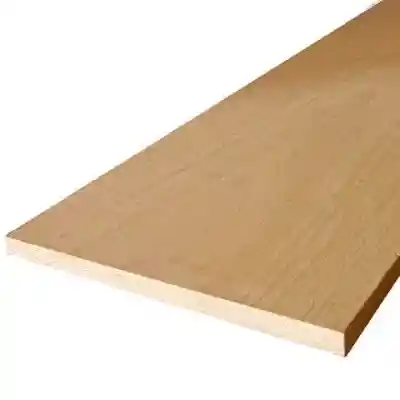
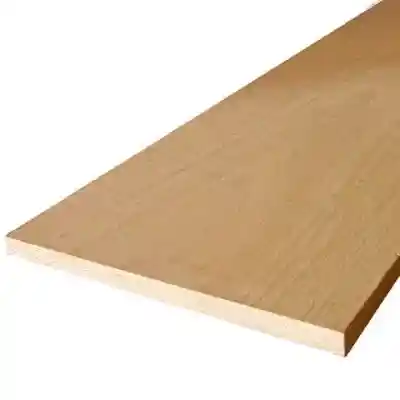
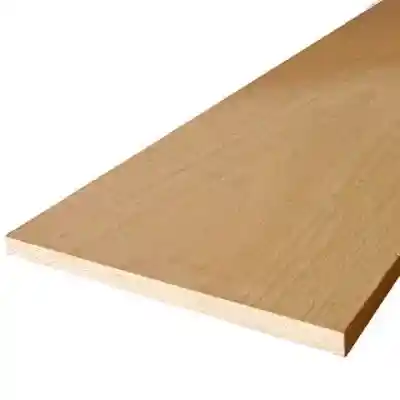
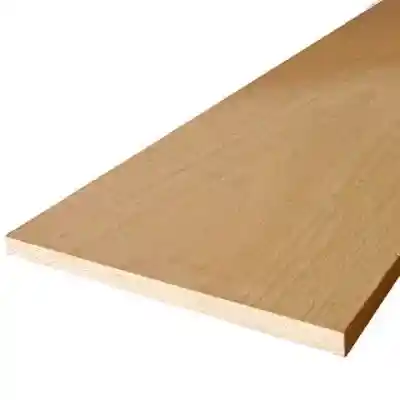
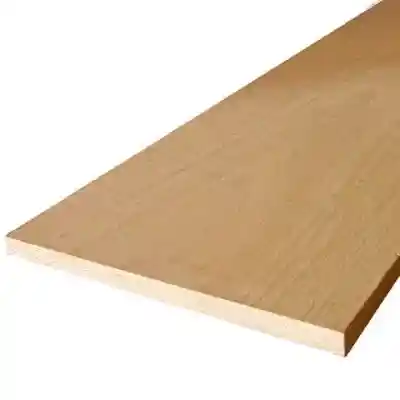
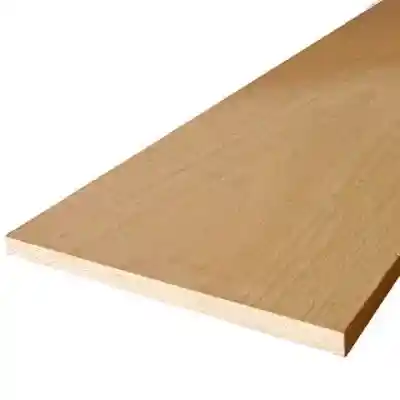
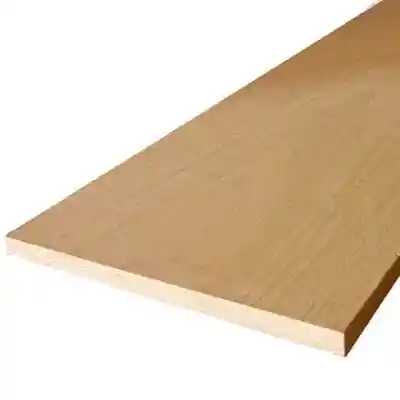
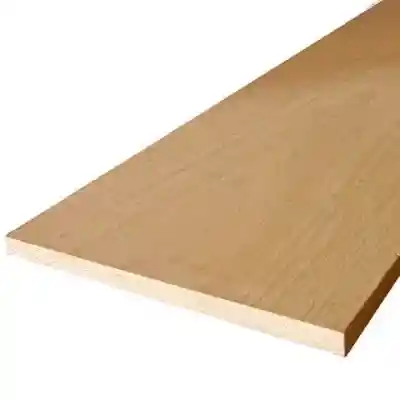
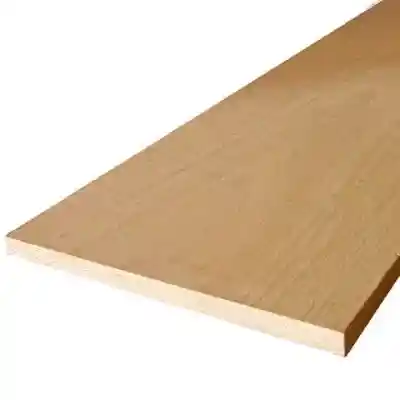
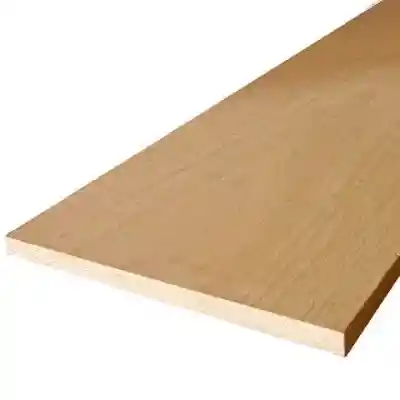
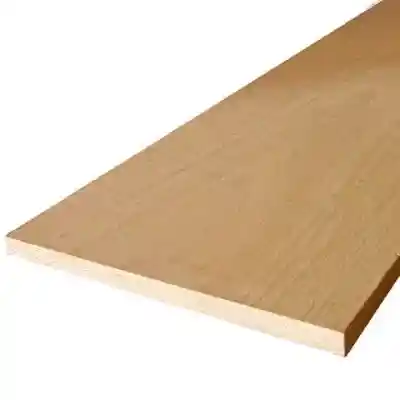
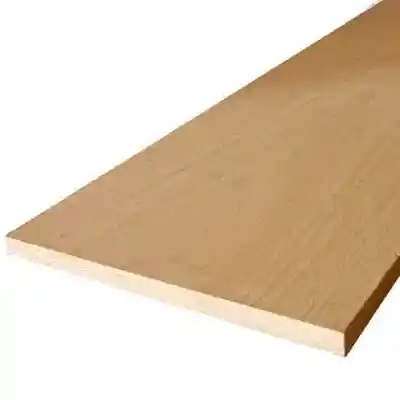
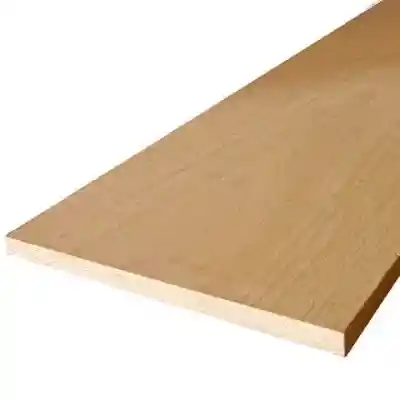
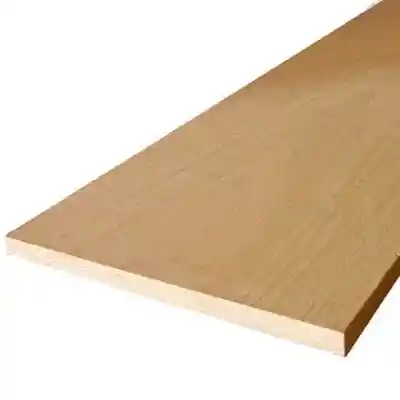
top-quality red oak lumber and boards for your projects at
Arlington Coal and Lumber Company. Understanding red oak boards is a key advantage for New England builders, as this wood is one of the most cost-effective and versatile hardwoods available for the Greater Boston, Massachusetts, New Hampshire, and surrounding New England region. At
Arlcoal.com, we are your best partner in bringing your dream project to life by providing best material estimates with our friendly locations close to you from
Arlington Coal and Lumber Company,
Burlington Lumber Company,
Wilmington Builders Supply,
Sudbury Lumber Company,
Chelmsford Lumber Company, and
Hudson Lumber Company.
Our
local building supplies include premium options for every trade; you can also browse our wide selections of high-quality
hardwood including:
mahogany boards,
poplar boards,
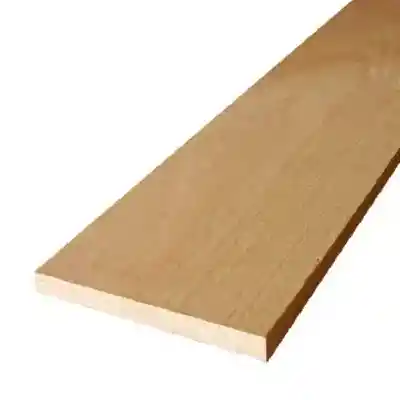
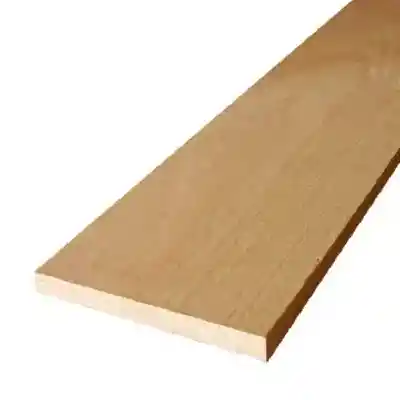
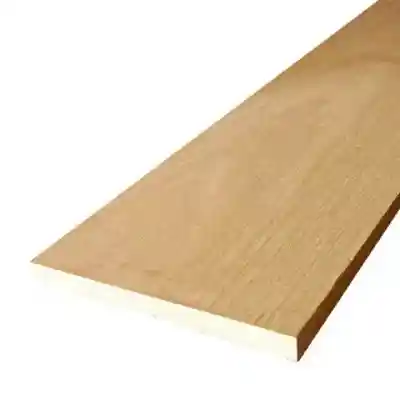
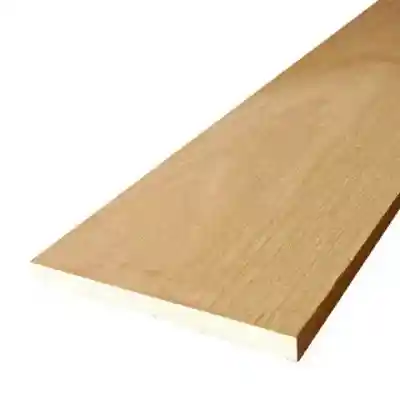
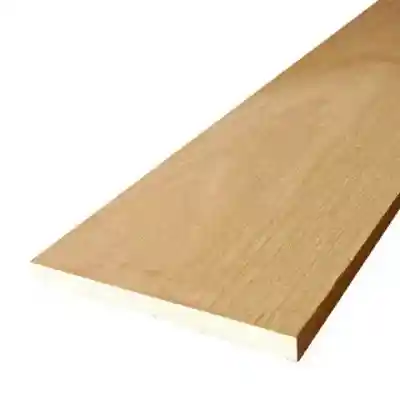
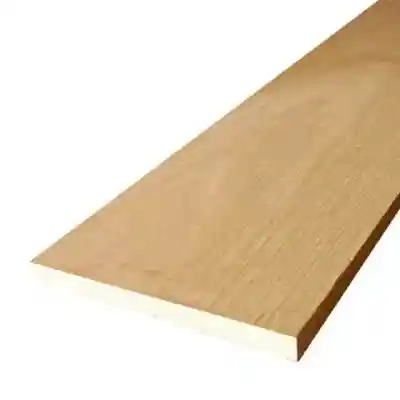
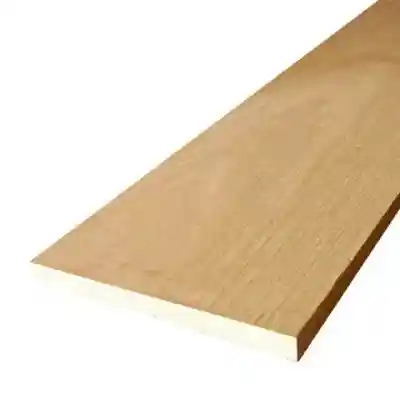
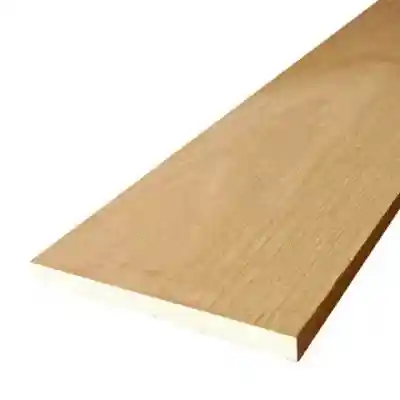
red oak boards,
white oak boards, and many more. To view our full range of
products or to get expert advice, please
contact us today.
What Is Red Oak Lumber and Boards? To help clarify its role in premium construction, understanding what
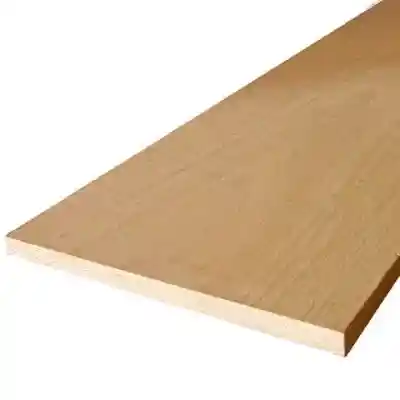
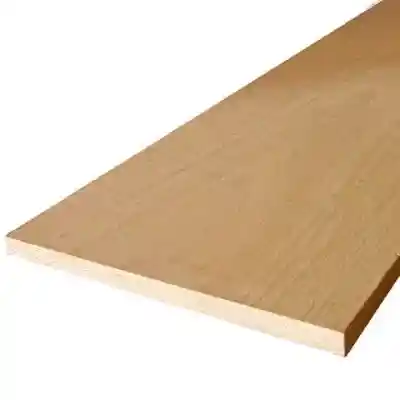
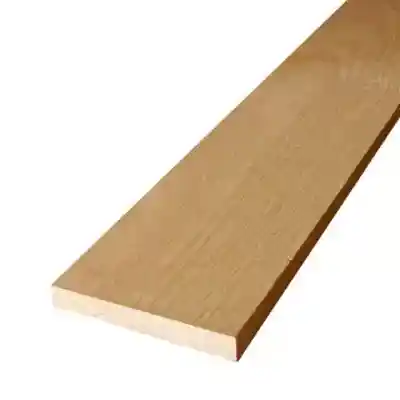
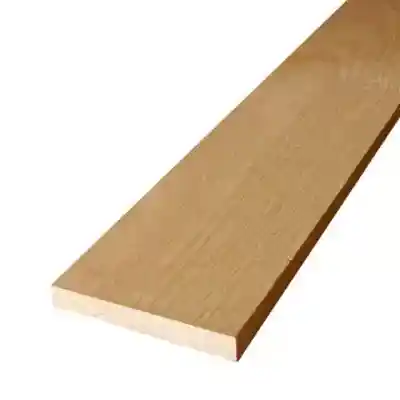
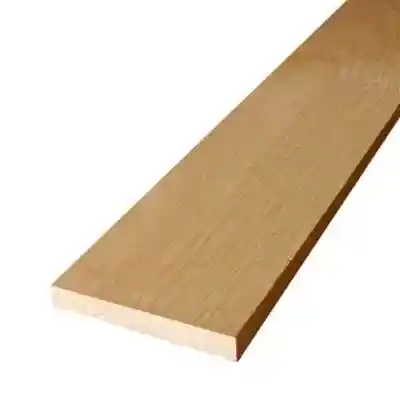
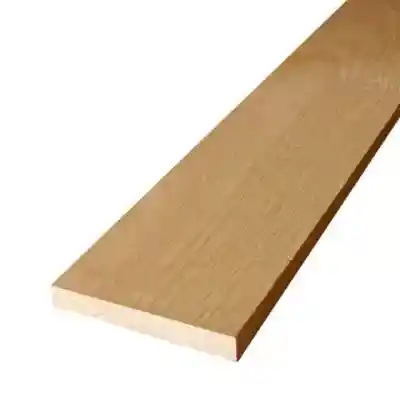
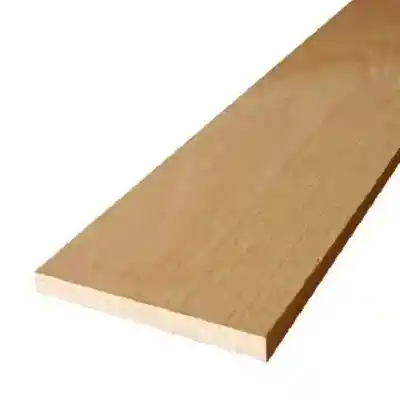
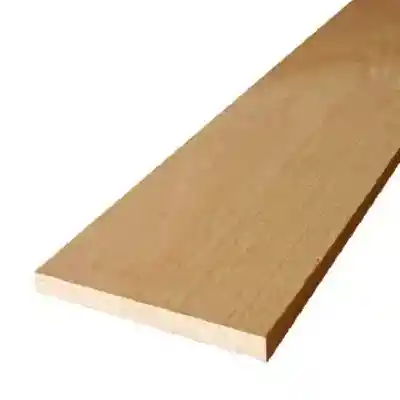
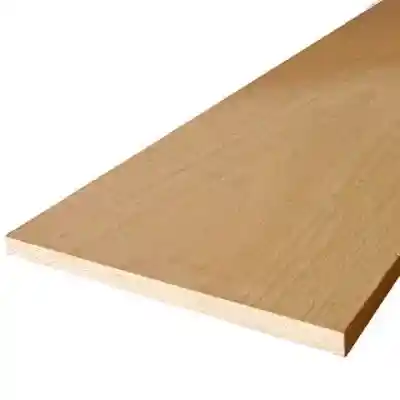
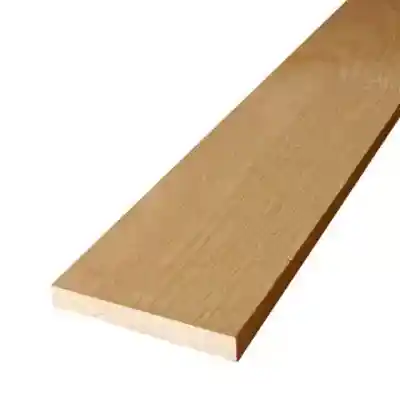
red oak lumber and boards mean is the first step for any builder. Red oak (Quercus rubra) is a staple of North American woodworking, prized for its prominent grain patterns and exceptional strength. Unlike many other hardwoods, red oak features open pores that give it a distinct, textured look. It is a highly stable material that machines well, making it the "gold standard" for interior applications where durability and traditional aesthetics are required. Whether you are crafting custom cabinetry or installing 1-in thick trim, red oak offers a timeless appeal that elevates any property in our
local lumberyard service area. When selecting hardwoods at a
local lumber store, understanding the physical properties of red oak is essential for ensuring your project lasts for decades. Red oak is the benchmark for durability in the New England market due to its impressive density and structural resilience.
- Janka Hardness: For Northern Red Oak, the Janka rating is approximately 1,290 lbf (pounds-force). This is nearly 2.5 times harder than poplar (540 lbf), making it ideal for flooring and stair treads that must withstand heavy foot traffic.
- Density and Weight: Red oak has an average dried weight of approximately 44 lbs/ft³. This high density provides excellent screw-holding power and structural stiffness, ensuring that your projects remain solid for generations.
- Porosity: Red oak is a ring-porous wood with large, open pores. Because it lacks tyloses to plug these pores, it acts like a series of microscopic straws. This is why we recommend it strictly for interior use; if used outside, water absorption can lead to decay.
Red Oak Buyers Guide: Before you
sign-up or
create an account online, explore these common questions to see if red oak is the right fit for your next project.
- Is red oak wood expensive? Compared to exotic hardwoods like mahogany or domestic premiums like walnut, red oak is very affordable. It offers the strength and beauty of a "true hardwood" without the prohibitive cost, which is why it remains a top seller at our home improvement store.
- What are red oak boards good for? Red oak is the preferred choice for high-traffic interior applications. It is most commonly used for hardwood flooring, stair treads, bannisters, kitchen cabinets, and durable furniture. Its ability to take stains uniformly makes it incredibly versatile for matching existing interior finishes.
- Is red oak good for decking? Generally, no. Red oak has open pores that absorb water, making it prone to rot if exposed to the elements. For outdoor projects, we recommend checking our online product catalog for pressure-treated or mahogany options.
- Is red oak a heavy wood? Yes, red oak is a dense, heavy hardwood. Its weight is a testament to its structural integrity and impact resistance, ensuring that your projects remain solid for decades.
- Why do some woodworkers avoid red oak? While most pros love its reliability, some find its porous nature challenging for certain finishes, as it requires a grain filler to achieve a glass-smooth surface. Additionally, its high tannin content can cause dark stains if the wood comes into contact with iron and moisture simultaneously.
- How can you tell if wood is red oak? You can identify red oak by its warm, reddish-pink hue and its coarse, porous end grain. If you look at a cross-section, you will see tiny holes (pores) visible to the naked eye. If you are unsure, our experts at any local lumber store location can help you identify your wood samples.
Ready to get started? Our team is standing by to provide the best material estimates for your build. We serve the entire
local building supply market across Massachusetts and New Hampshire with high-quality hardwoods and expert service. You can also browse our wide selections of high-quality
Lumber and Plywood and
all product categories including:
Engineered Lumber,
TimberStrand LSL,
Joists,
TJI Joists,
Hardwood,
Plywood,
Pressure Treated,
Dimensional,
Stringers & Balusters,
Softwood,
Trimboards, and
more products.