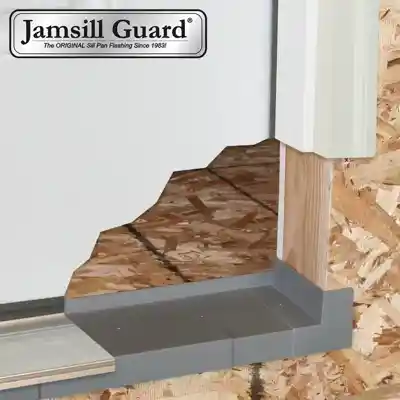
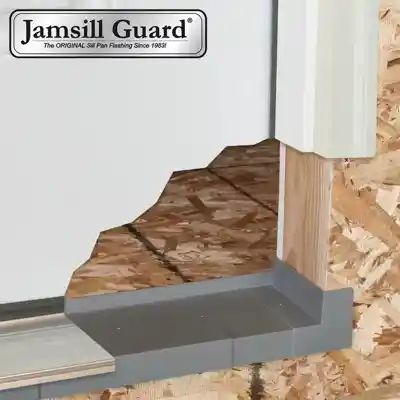
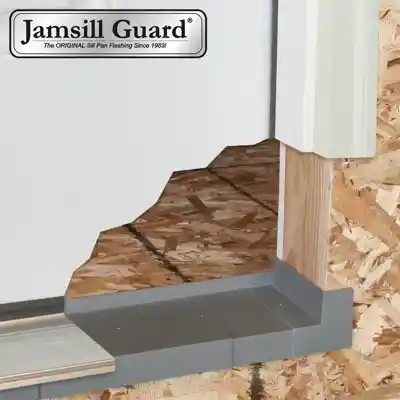
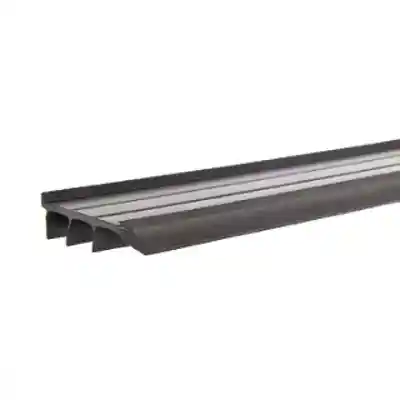
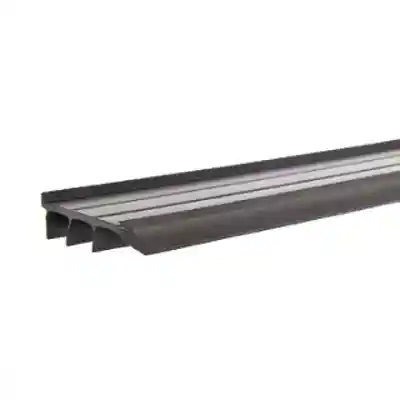
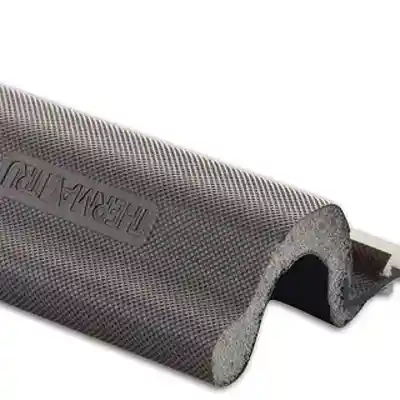
Protecting your investment starts at the threshold. Sill pans are critical for diverting water away from your building-s subfloor, effectively preventing mold and structural decay before they start. When paired with high-quality weatherstripping, you create a thermal barrier that boosts energy efficiency throughout the seasons. At
Arlington Coal and Lumber, we pride ourselves on being a
one-stop shop for all your building needs. From expert advice to the industry-s most reliable materials, we ensure your doors and windows stay watertight. We are your best partner in bringing your dream project to life by providing best material estimates with our friendly locations close to you from
Arlington Coal and Lumber Company,
Burlington Lumber Company,
Wilmington Builders Supply,
Sudbury Lumber Company,
Chelmsford Lumber Company, and
Hudson Lumber Company. Visit us to find the right solutions for your next project, check out our
online product catalog, or
contact us to get started in Greater Boston, Massachusetts, New Hampshire, and the surrounding New England region. To streamline your project management, you can
create an account online today.
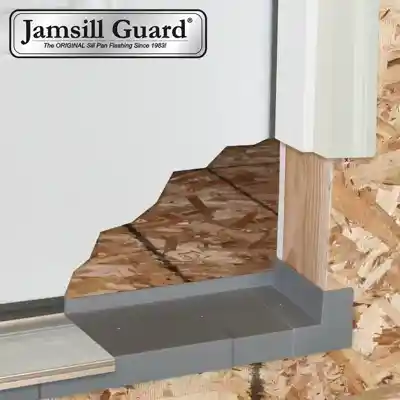
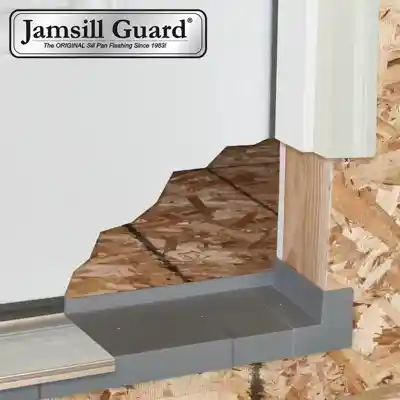
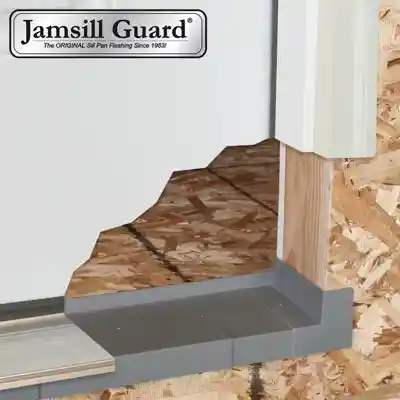
Sill pans and weatherstripping are the unsung heroes of home performance. A sill pan is a moisture-management device installed beneath a door or window frame. Its primary job is to catch any water that penetrates the exterior cladding and redirect it to the outside, rather than letting it soak into your wall framing or subfloor. Weatherstripping acts as the secondary line of defense, sealing the gaps between operable parts of doors and windows. By effectively blocking air infiltration and water intrusion, these simple components significantly reduce heating and cooling costs while extending the lifespan of your exterior openings. Whether you are working on a new construction build or a home renovation, these materials are essential for long-term structural health.
Buyers Guide: Installing these components correctly is vital for a weather-tight home. Here are answers to common questions to help you build safely:
- Do I really need a sill pan for my window or door? Yes. A sill pan is your primary insurance policy against wood rot. Without one, even minor leaks around the window or door frame can go unnoticed for years, causing hidden damage to your structural framing.
- What material is best for a sill pan? Rigid materials like PVC, stainless steel, or composite materials are generally preferred over flexible membranes. These materials provide a durable, non-corrosive surface that keeps its shape and ensures water continues to flow away from the building.
- Can I custom cut sill pans to fit an irregular opening? Many modern sill pan systems are designed to be adjustable or modular. If you are dealing with a custom frame, ensure you use a material that can be easily trimmed and properly sealed at the seams with compatible flashing tape to maintain a continuous, waterproof barrier.
- Should the sill pan be flat or sloped? It must be sloped. A slight positive slope toward the exterior is necessary to use gravity to your advantage. A flat pan will allow water to pool, defeating the purpose of the installation.
- How do I know which type of weatherstripping to use? It depends on the gap size and location. Compression seals (like EPDM or silicone) are excellent for door frames, while V-strip or tension seals are often effective for sliding windows. We recommend matching the profile to your existing hardware to ensure a snug fit without hindering operation.
- How long does weatherstripping last? Depending on the material and exposure to UV light or extreme temperatures, high-quality weatherstripping can last 5 to 10 years. Inspect it annually for signs of cracking, brittleness, or loss of "springiness."
- How do I know if I need to replace it? If you can see daylight through the edges of your door or window, or if you feel a draft when you place your hand near the frame, it is time for a replacement.
- Will weatherstripping fix my drafty door? Yes, it is the most effective and affordable way to stop drafts. By closing the gap between the door slab and the jamb, you create an airtight seal that eliminates whistling and cold spots.
- Can I add these to existing doors? Absolutely. Retrofitting older doors with new door bottoms, sweeps, and frame weatherstripping is an excellent weekend project that yields immediate improvements in interior comfort and energy savings.
Sill pans and weatherstripping serve as functional architecture, but they also enable creative freedom in how you finish your home. For professional results, professionals often use "hidden" sill pan systems that are completely obscured by trim, allowing for a clean, modern aesthetic without compromising the water-tight integrity of the house. In custom door installations, layering weatherstripping with threshold gaskets creates a "double seal" that is highly effective for high-wind areas or front doors exposed to the elements. These real-life applications work well because our inventory is versatile enough to support both simple repairs and complex custom builds, ensuring your home remains protected while looking sharp.
We also offer a wide array of quality
moulding and millwork products including:
doors (
cellar doors,
sill pans and weatherstrip,
moulding ,
mdf moulding,
pfj pine moulding,
pine moulding,
posts and columns ,
fiberglass columns ,
stair parts,
balusters,
handrails,
oak thresholds,
stair hardware,
treads and risers),
windows (
andersen windows like
casement windows, and
double-hung windows,
mathews brothers),
velux skylights (
fixed skylights,
flashing kits,
skylight accessories , and
vented skylights), and many more.
You can also shop with all our complete
all product categories of building products in-stock from
Building Materials,
Fasteners,
Hardware,
Lumber, Composites, and Plywood, to
Moulding and Millwork, and so much more.